
Step into the Himalayan wild without leaving Gangtok. At the Himalayan Zoological Park, rare snow leopards, red pandas, and Himalayan goral roam amid stunning mountain vistas. A paradise for wildlife lovers, this park combines conservation, adventure, and breathtaking scenery — an unforgettable Himalayan experience awaits every visitor.
Nestled in the lofty Himalayas, the Himalayan Zoological Park in Gangtok is not merely a zoo; it is a living sanctuary where the rugged beauty of the mountains meets the majesty of Himalayan wildlife. For nature lovers and wildlife enthusiasts, this park offers an immersive experience — a rare opportunity to encounter endangered species in habitats carefully designed to resemble their natural ecosystems.
Nestled in the lofty Himalayas, the Himalayan Zoological Park in Gangtok is not merely a zoo; it is a living sanctuary where the rugged beauty of the mountains meets the majesty of Himalayan wildlife. For nature lovers and wildlife enthusiasts, this park offers an immersive experience — a rare opportunity to encounter endangered species in habitats carefully designed to resemble their natural ecosystems.
Our journey to this remarkable park began on a bright morning, following visits to Hanuman Tok and Ganesh Tok, two serene hilltop temples overlooking the city of Gangtok. Both temples offered panoramic vistas of the valleys and distant peaks, and they primed us for a day that would blend natural splendor with wildlife discovery.
The Ascent: Road to the Park
Perched at an altitude of 5,840 feet, the Himalayan Zoological Park is located on a hill easily accessible from Gangtok. The drive itself was a prelude to the adventure, winding through lush green forests and offering glimpses of the sprawling city below. As we neared the park entrance and paid the Rs. 100 entry fee, the sense of anticipation was palpable. From the moment we entered, it felt less like visiting a zoo and more like stepping into a mountain wilderness.

The narrow, uphill roads revealed occasional signs of the park’s diverse fauna — a hornbill perched on a branch, a squirrel darting across the path, and the distant rustle of forest leaves hinting at unseen wildlife.
Exploring the Himalayan Zoological Park
The park spans 67.56 acres, with enclosures and walkways thoughtfully designed to emulate natural habitats. This approach ensures that the animals live in an environment as close as possible to their native surroundings. Unlike conventional zoos, the Himalayan Zoological Park focuses on conservation, education, and ecological immersion.
From the very first steps, it was clear that this was a place for those who appreciate the subtle rhythms of wildlife. The park is home to several rare and endangered species, including the elusive red panda, the majestic snow leopard, the Himalayan black bear, and the Tibetan wolf. Birds, reptiles, and amphibians add to the biodiversity, making it a sanctuary not just for large mammals but for the entire Himalayan ecosystem.
Encounter with the Himalayan Black Bear
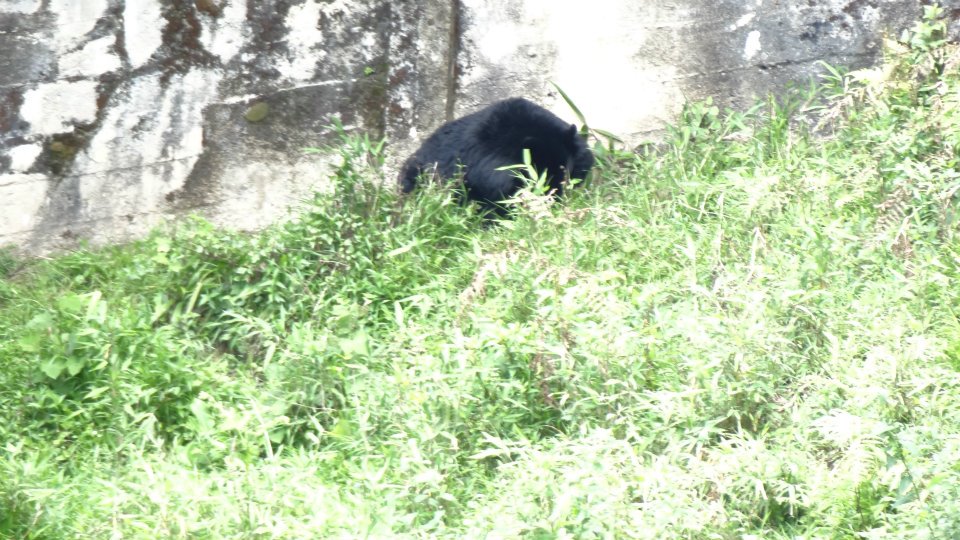
Our first encounter was with the Himalayan black bear, stationed in a large, forested enclosure. Initially, the bears kept their distance, retreating to the farthest corners, yet even from afar, their powerful presence was undeniable. Observing them moving gracefully among trees and rocky outcrops was a thrilling reminder of the wild spirit that thrives here. The careful design of their enclosure allowed us to watch natural behaviors — climbing, foraging, and resting — all in a setting that mirrored their Himalayan habitat.
The Cafeteria Break: Nature’s View
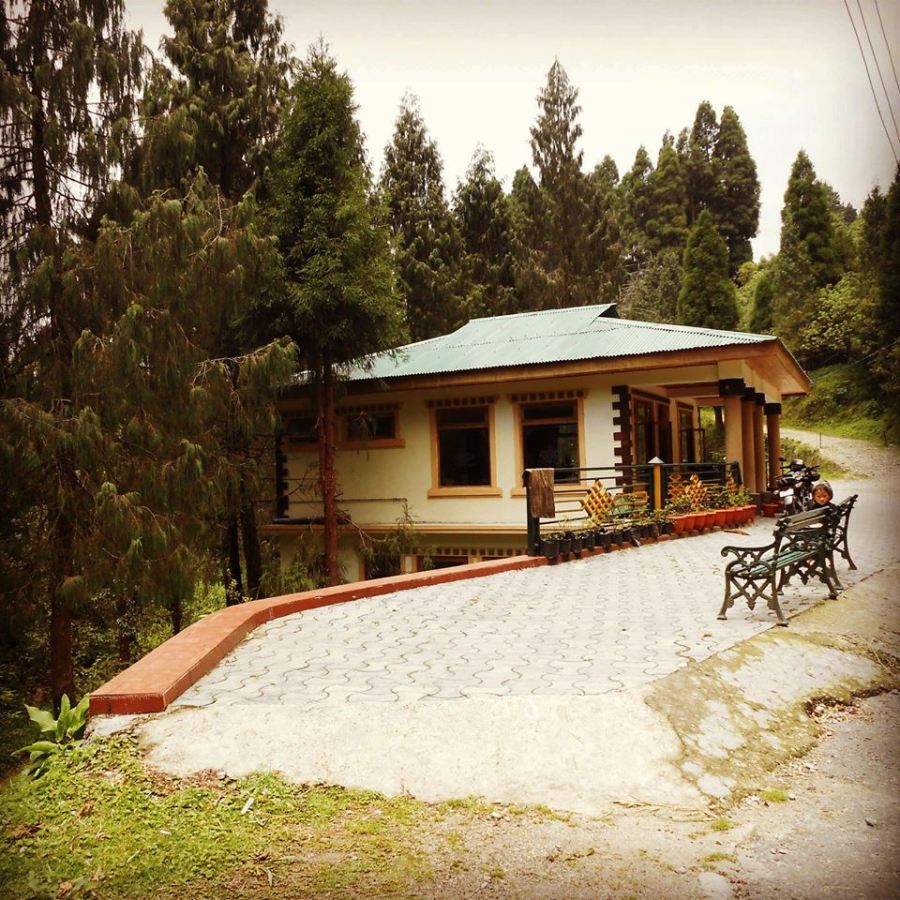
Walking further into the park, we stumbled upon a hilltop cafeteria. Its perfect location offered sweeping views of the surrounding forest and distant mountains. Here, we paused for a simple lunch and afternoon coffee, absorbing the tranquility around us.

Sitting amidst the whispers of the forest, we could watch the occasional bird flit between branches, or glimpse small mammals scuttling through undergrowth, while the crisp mountain air filled our lungs. It was a serene interlude, a moment to pause and let the wilderness seep into our senses.
The Wildlife Highlights
The zoo is large, and visitors need to walk a considerable distance to fully appreciate its offerings. Walking through the park, we encountered the standout species that make this sanctuary extraordinary.
Birds and Other Fauna:
The park also hosts a variety of Himalayan birds, reptiles, and amphibians, contributing to the rich tapestry of the ecosystem. Colorful pheasants, minivets, and hornbills punctuated our walk, while the distant calls of the Tibetan wolf reminded us of the untamed wilderness beyond the park.


Leopards
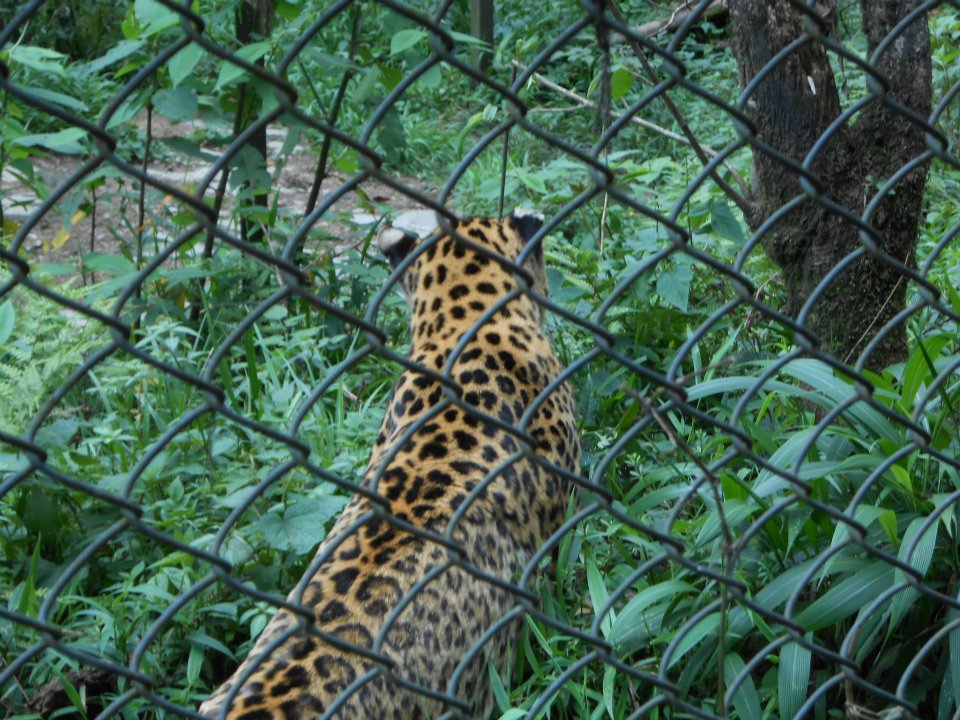
The park houses both the common leopard, the Himalayan leopard, and the Snow leopard, each in spacious enclosures allowing them to roam freely and exhibit natural behaviors. Observing the snow leopard, with its thick coat and piercing gaze, was particularly memorable — a rare encounter that felt almost surreal.




Red Pandas
These diminutive, enchanting creatures are the state animal of Sikkim. The park provides a bamboo-rich habitat, their primary diet, and plays a crucial role in conservation. Watching them nimbly climb trees and munch on bamboo was a delight, their curious expressions and playful antics capturing our hearts.




Himalayan Goral
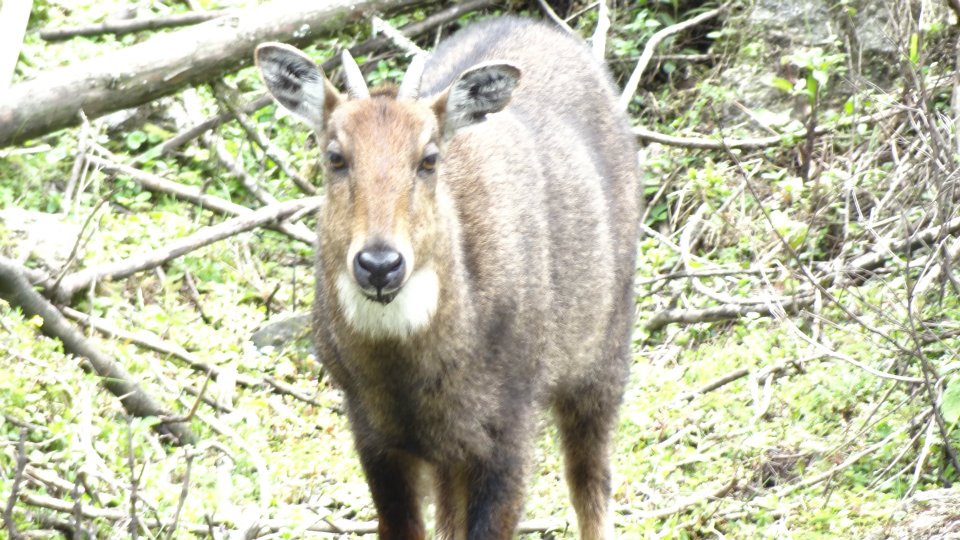
Native to the mountains, these nimble herbivores are challenging to spot due to their natural camouflage. Yet, catching glimpses of their brown, agile forms moving along rocky slopes added a sense of discovery and excitement to the walk.

A Journey Through Conservation and Education
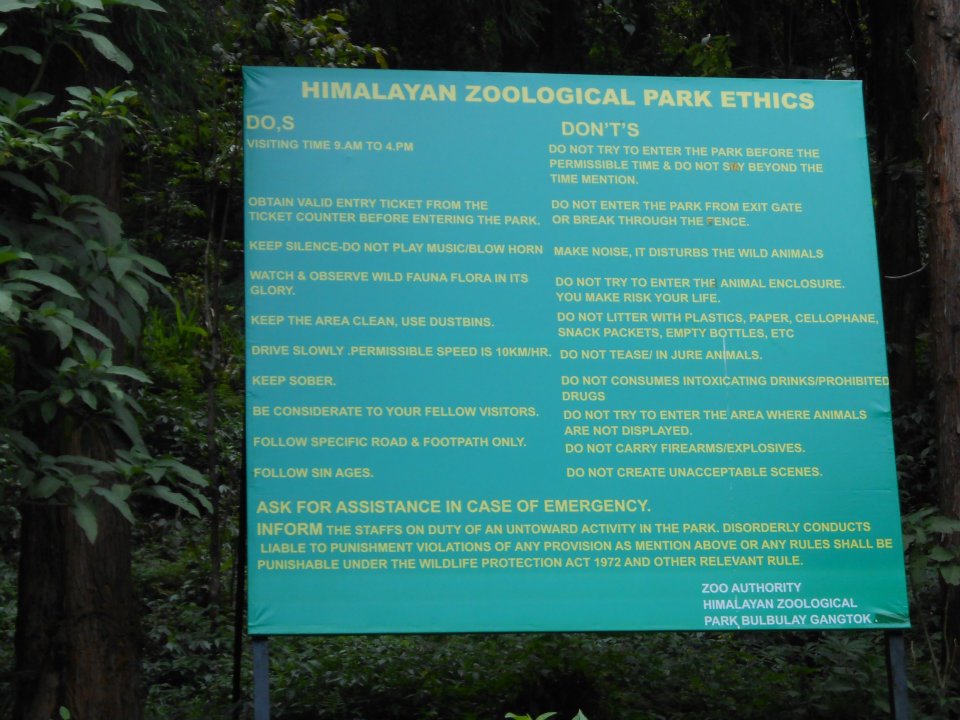
What makes the Himalayan Zoological Park exceptional is its commitment to conservation and education. Each enclosure is designed not only for the comfort of the animals but also to educate visitors about their natural behavior, diet, and ecological significance. Signage throughout the park provides fascinating insights into the species’ habitats, threats, and conservation status, making it an engaging experience for adults and children alike.



Reflections from the Himalayan Wild
Our visit lasted nearly three hours, yet time seemed to fly in the company of such extraordinary wildlife. The combination of naturalistic habitats, rare species, and panoramic mountain views makes this park a unique destination for anyone traveling to Gangtok.
For a nature lover, the experience is transformative — a chance to witness the Himalayan ecosystem up close, understand the delicate balance of life at high altitudes, and appreciate the tireless work that goes into conserving these species.
As we descended the hill and returned to Gangtok, memories of playful red pandas, stealthy snow leopards, and the serene expanse of the park lingered vividly. The Himalayan Zoological Park is not just a place to see animals; it is a journey into the wild heart of the Himalayas, an immersive experience that leaves a lasting impression.
Visitor Information
- Location: Gangtok, Sikkim
- Altitude: 5,840 ft
- Area: 67.56 acres
- Entry Fee: Rs. 100 (domestic visitors)
- Best Time to Visit: March to June, and September to December
- Nearby Attractions: Hanuman Tok, Ganesh Tok, Tsomgo Lake
The Himalayan Zoological Park offers a rare combination of breathtaking Himalayan scenery, conservation-focused animal habitats, and immersive wildlife experiences. For anyone visiting Sikkim, it is an unforgettable journey into the wild, where nature, adventure, and education converge seamlessly.
