

The Kumbh Mela, one of the world’s largest and most spiritually significant gatherings, is steeped in mythology, history, and tradition. The word “Kumbh” derives from the mythical pot of nectar that sparked a celestial battle between gods (Devtas) and demons (Asuras), as narrated in ancient Indian scriptures known as the Puranas. This legend has evolved over millennia, culminating in the grand celebration of the Kumbh Mela.
The Mythological Genesis
The tale of Kumbh Mela begins in a time when gods dwelled on earth. Cursed by Sage Durvasa, the gods were weakened, allowing demons to wreak havoc. On Lord Brahma’s advice, they churned the ocean with the help of the demons to extract the nectar of immortality. Learning of the gods’ plan to keep the nectar for themselves, the demons pursued them for 12 days. During this chase, drops of the nectar fell at four locations: the riverside cities of Nasik, Ujjain, Haridwar, and Prayagraj (Allahabad), where the Kumbh Mela is celebrated.
Cosmic Timing and Sacred Rituals
The Kumbh Mela is held once every 12 years at each of these four locations, aligning with the period equivalent to 12 days of the gods. The timing of the Kumbh Mela is determined by the zodiac alignments of Jupiter, the Sun, and the Moon, making it a celestial event. The festival represents an opportunity for spiritual renewal, with millions of devotees bathing in sacred rivers to cleanse themselves of sins and seek salvation.
The Puranas describe the profound spiritual significance of this act:
Those who bathe in the bright waters of the Ganga where they meet the dark waters of the Yamuna during the Hindu month of Magh [January/February] will not be reborn, even in thousands of years.
Historical and Cultural Roots
While the legend forms its spiritual backbone, the historical roots of the Kumbh Mela date back thousands of years. Some scholars trace its origins to 3464 BCE, predating even the Harappan civilization. The first recorded mention of the festival comes from the Chinese traveller Xuanzang in the 7th century CE, who described a massive gathering during King Harshavardhana’s reign, where over half a million people assembled to celebrate for 75 days.
The Magnitude of the Gathering
The Kumbh Mela at Prayagraj, where the Ganga, Yamuna, and the mythical Saraswati rivers converge, is the largest of the four iterations. Every 144 years, a Maha Kumbh is held, drawing even larger crowds. In 2013, the festival saw over 120 million visitors, making it visible even from space.
Mauni Amavasya: The Holiest Day
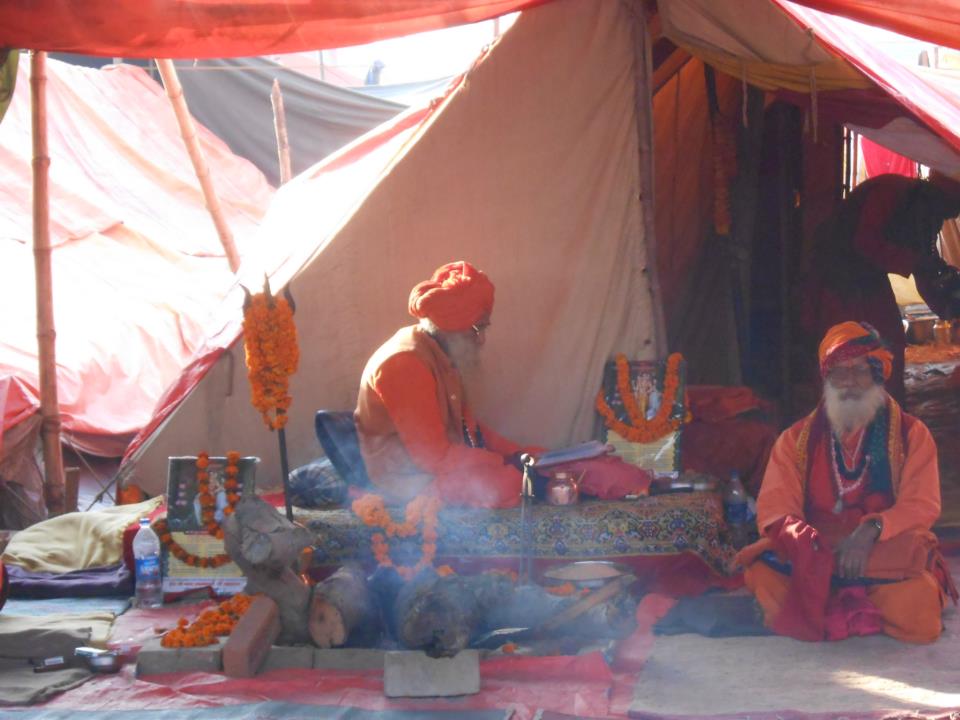
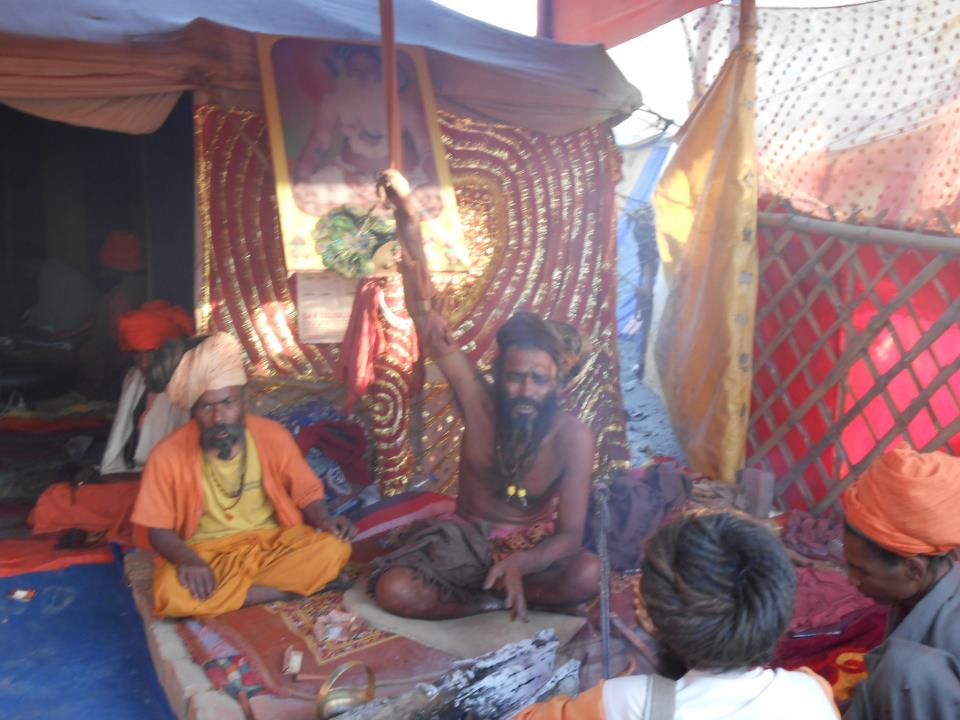
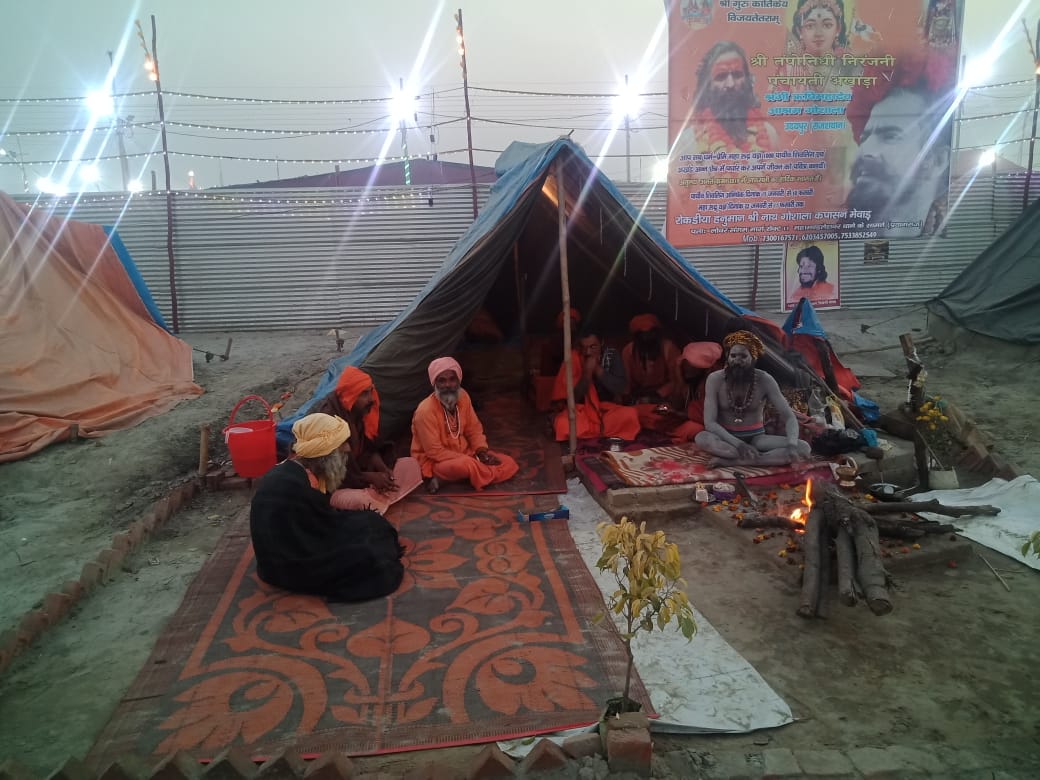
The festival’s most sacred day, Mauni Amavasya, is marked by millions taking a holy dip. This day, rooted in the ancient lore of Sage Manu, is associated with vows of silence and deep meditation, believed to purify the soul. Mauni Amavasya considered the most sacred day of the 56-day festival, sees millions of pilgrims and holy men take a dip in the Ganges. The festival resonates with the sounds of musical performances, chants, prayers, and the bustling of millions.
The Picture Gallery




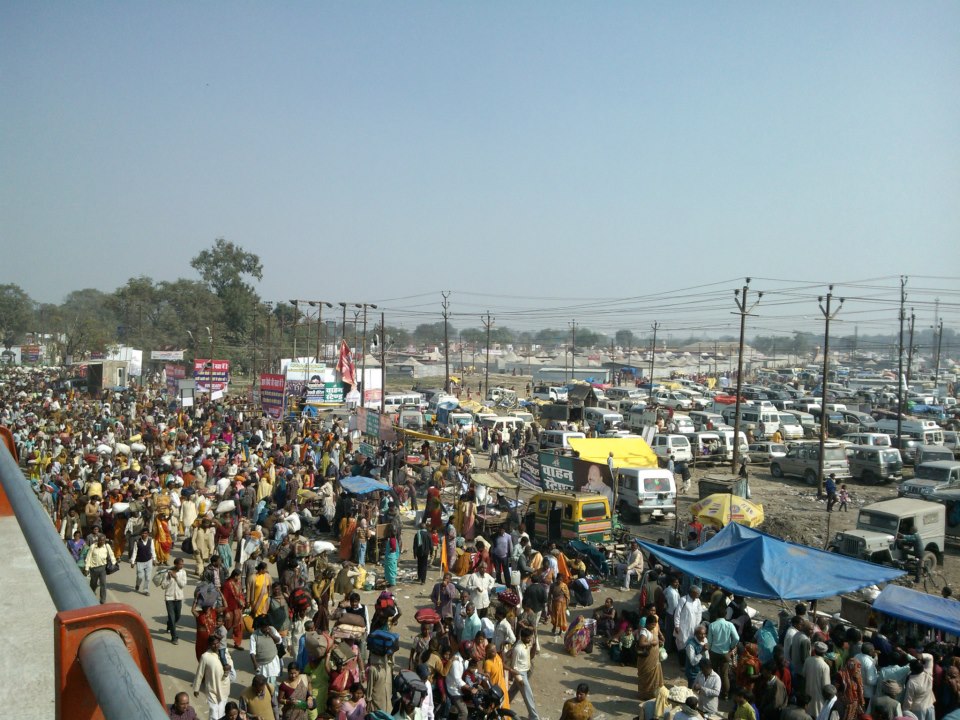

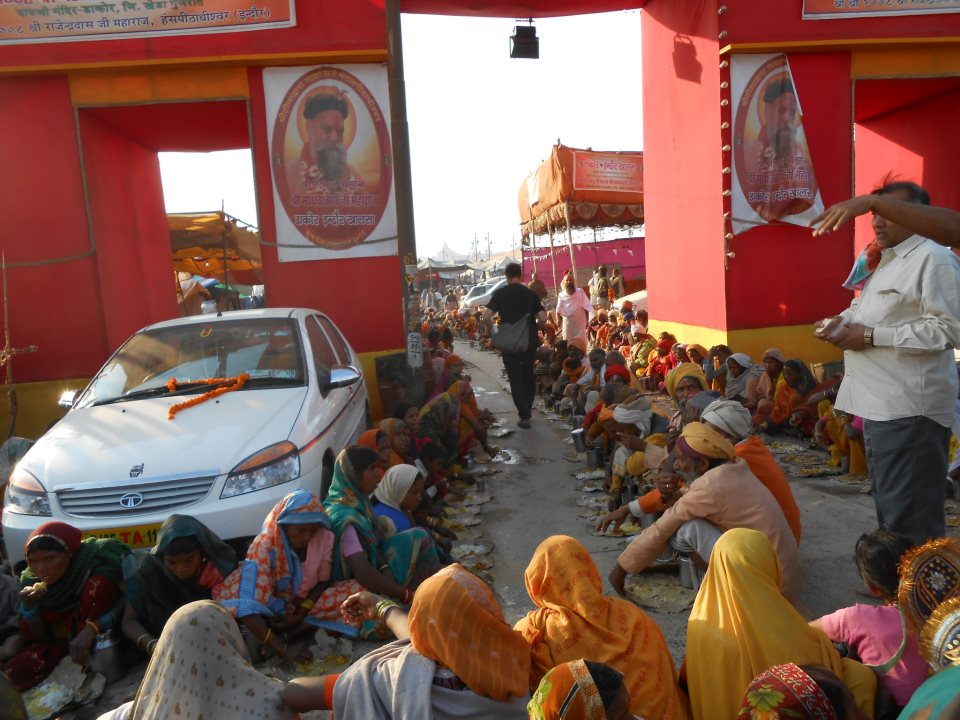
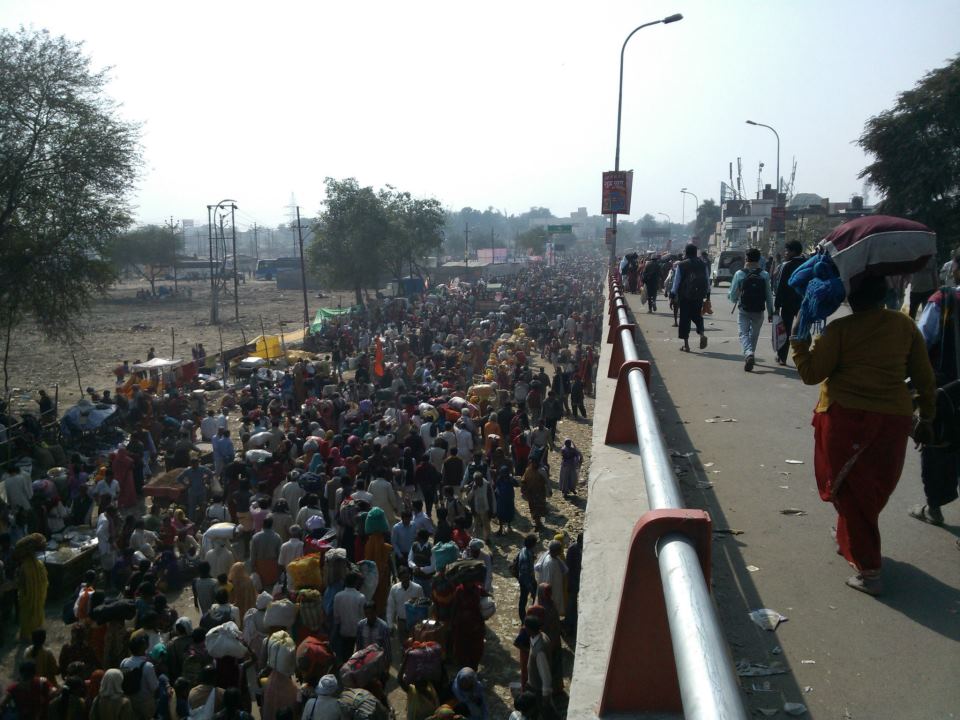


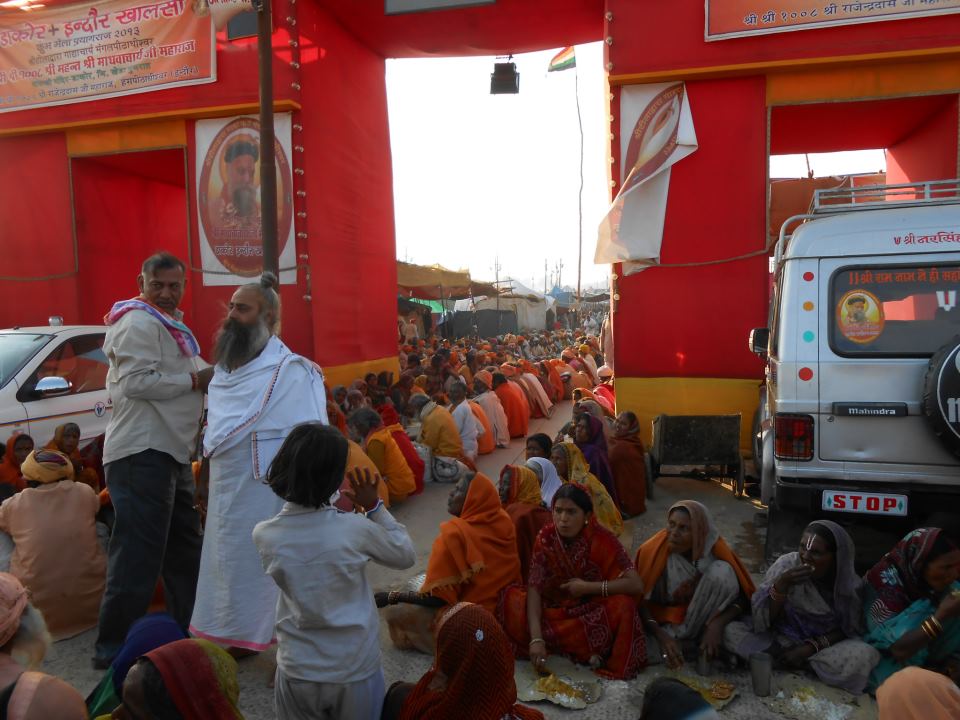
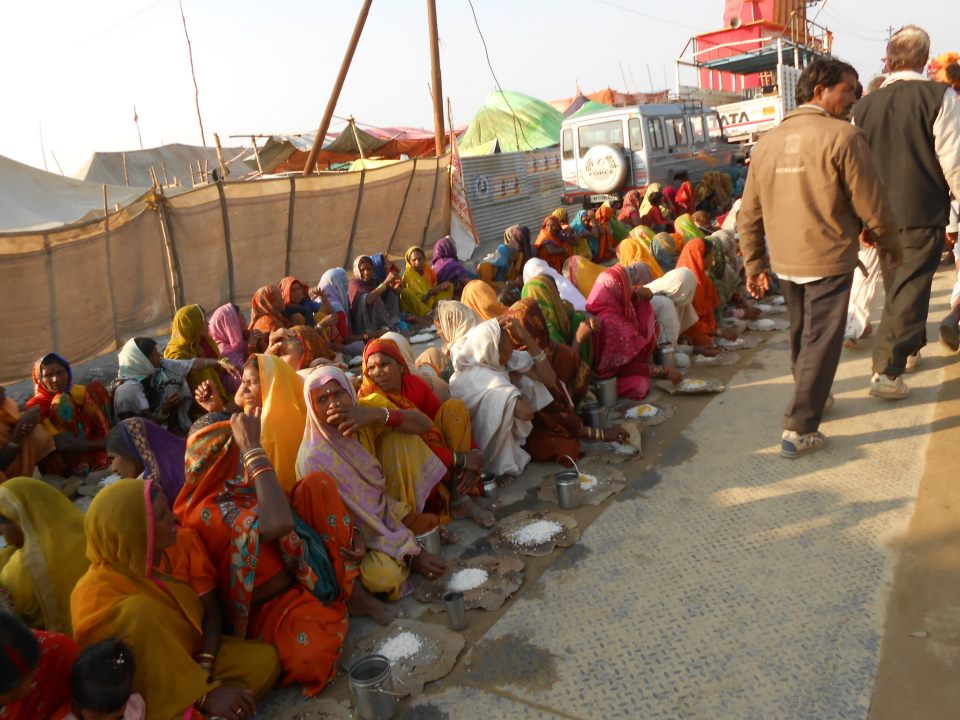
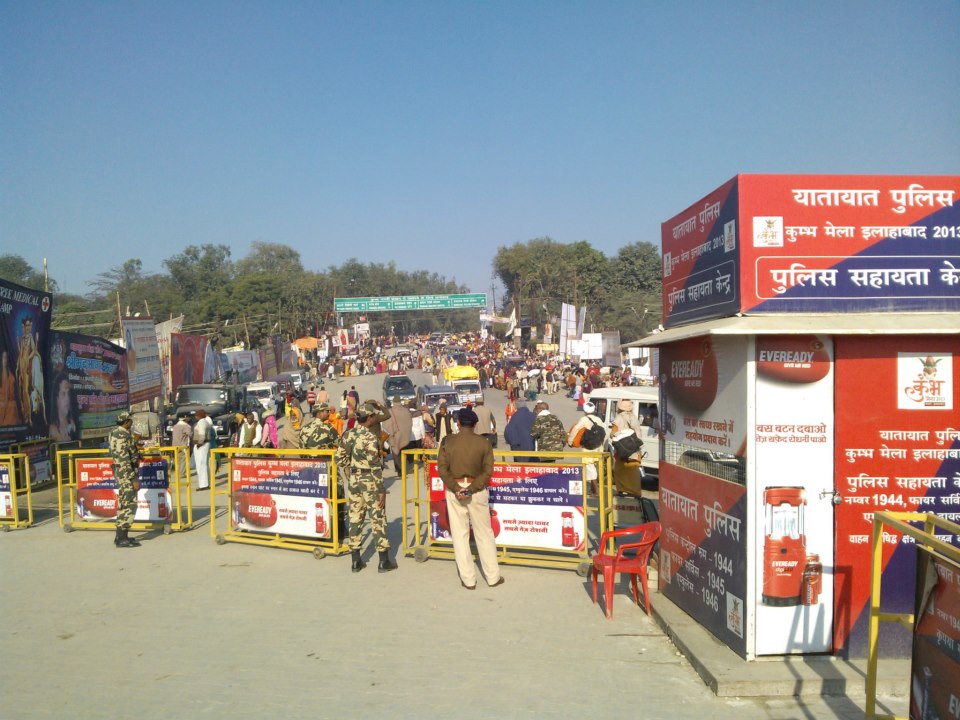


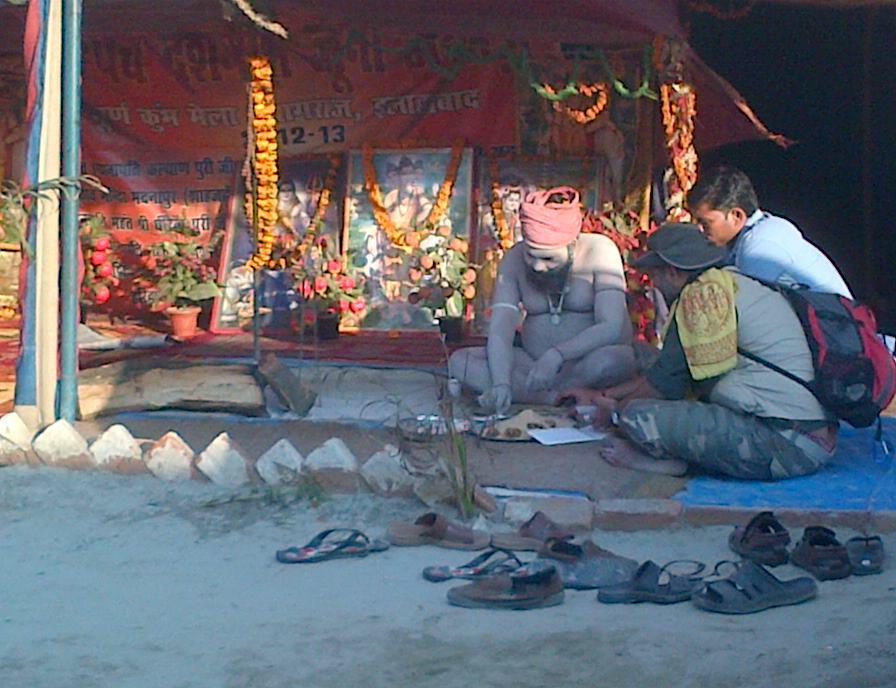
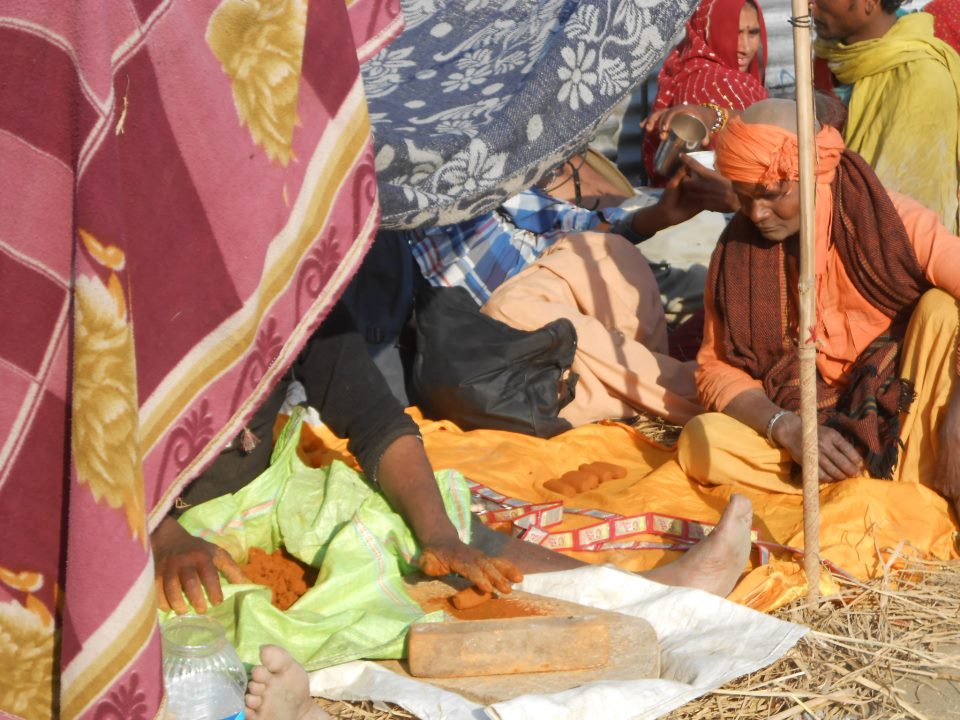


A Personal Pilgrimage
In 2013, my family and I embarked on a journey to Prayagraj to participate in the Kumbh Mela on the auspicious occasion of Mauni Amavasya. The experience was profound and spiritually invigorating, as we braved the cold night and bathed in the sacred waters during the Amrit Muhurt, a celestial moment of heightened spiritual significance.
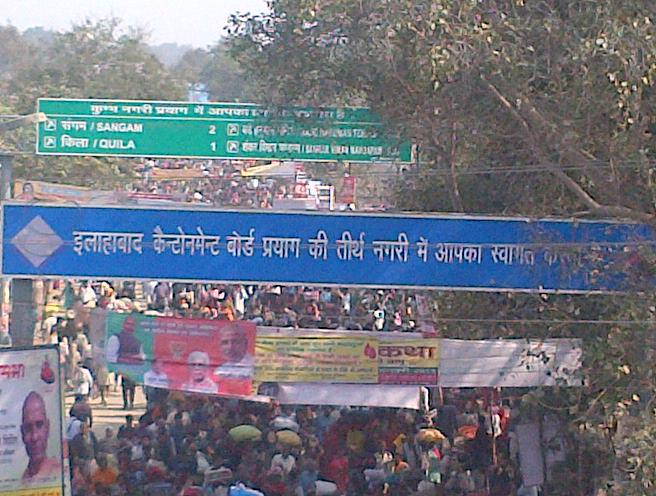
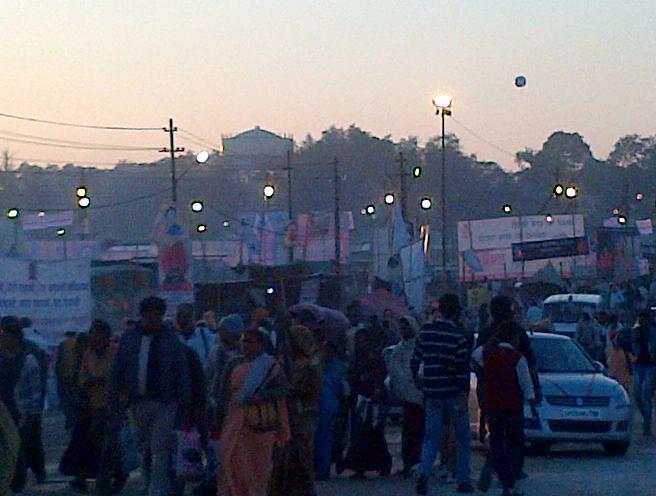
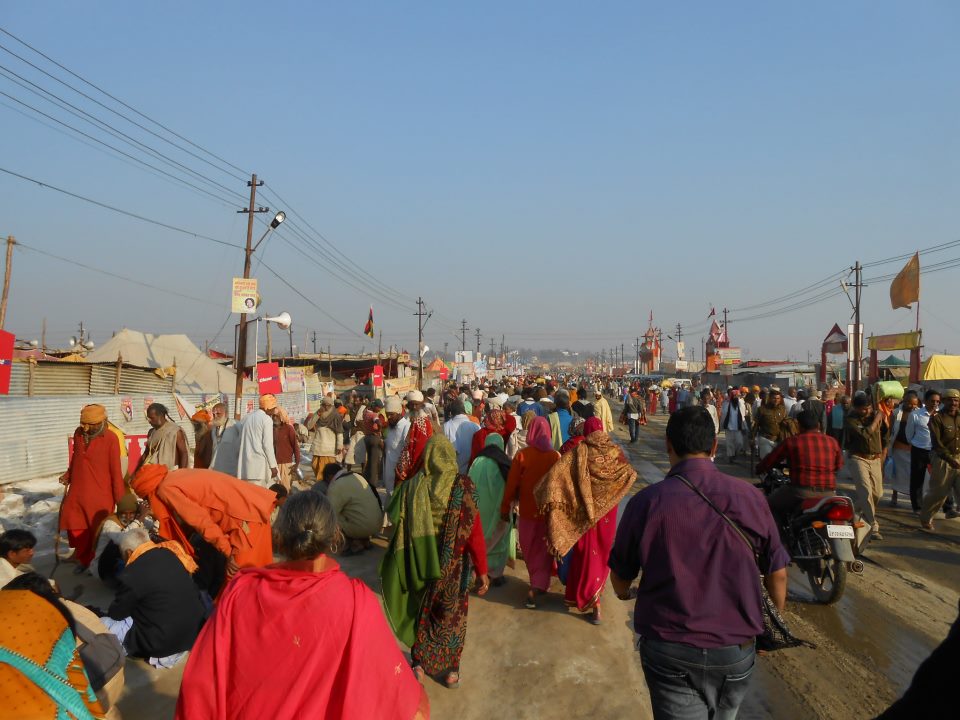
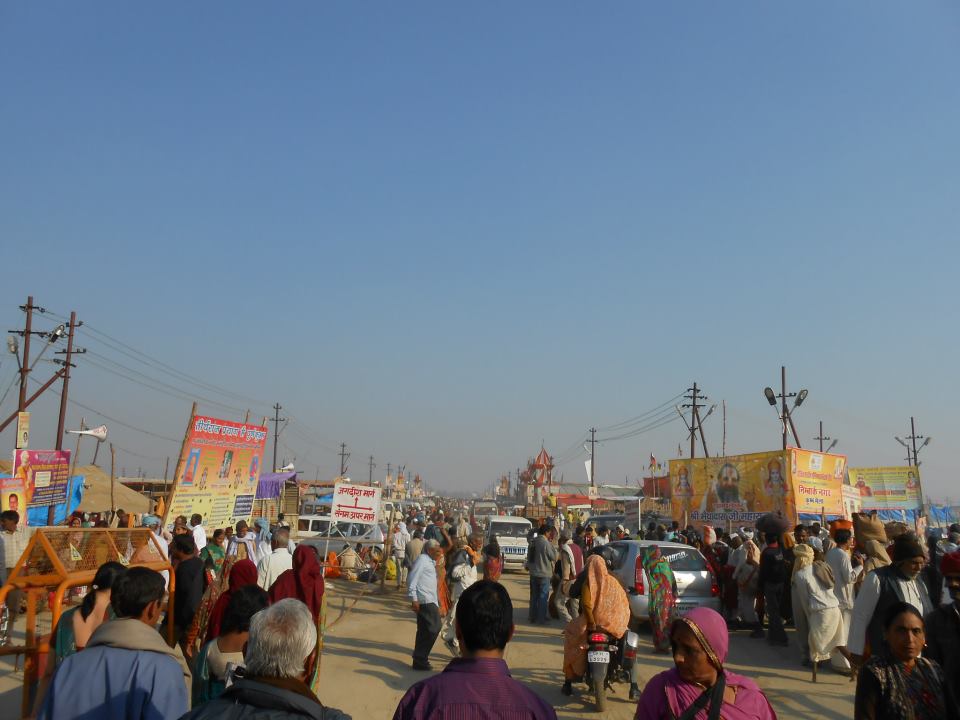
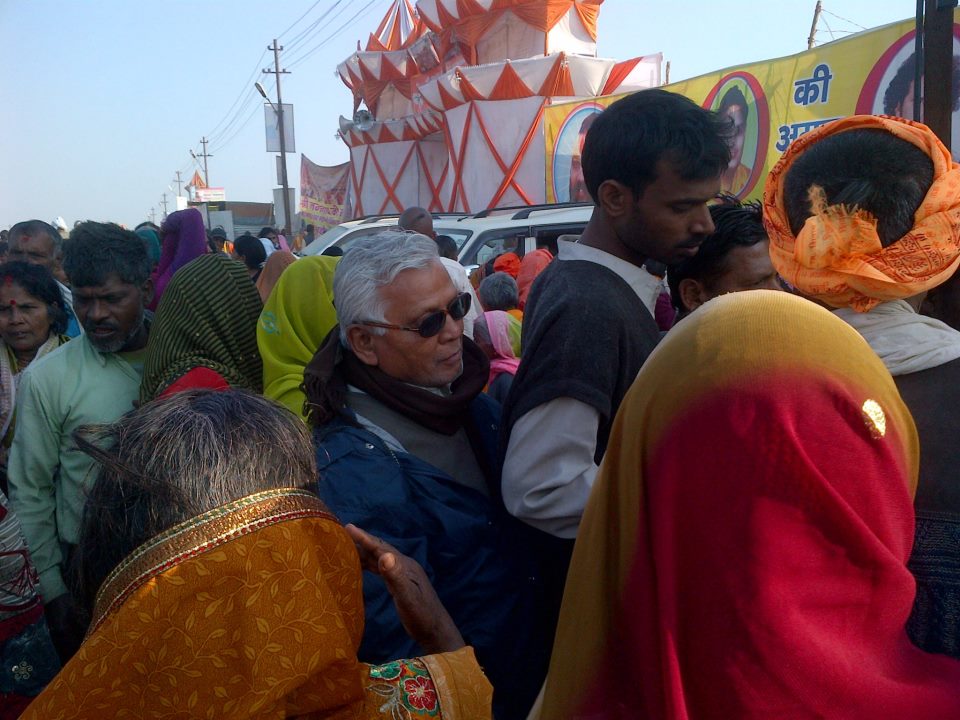
We feel privileged to have a bath with our Guruji. The tithi (Auspicious day) of Mauni Amavasya began at 3.15 p.m. on February 9th. We started our journey for the bath from the home of Jaya’s parents at 11.30 p.m. on February 9th. We joined the sea of humanity walking slowly towards the Triveni Sangam. We reached the ghat at around 2.30 a.m. on February 10th.
At first, Jagrata, Boudi, Guttu and I took our dips with Guruji, while Judhajit & Prasanta were guarding the clothes. They had their dip and bath after we returned to the ghat. It was quite a cold night with the temperature dropping below 6°C. But the sheer excitement of the event did not make us feel that the night and the water were so cold! We jumped into the river Ganga during the Amrit Muhurt of Mauni Amavasya, on February 10th, 2013.
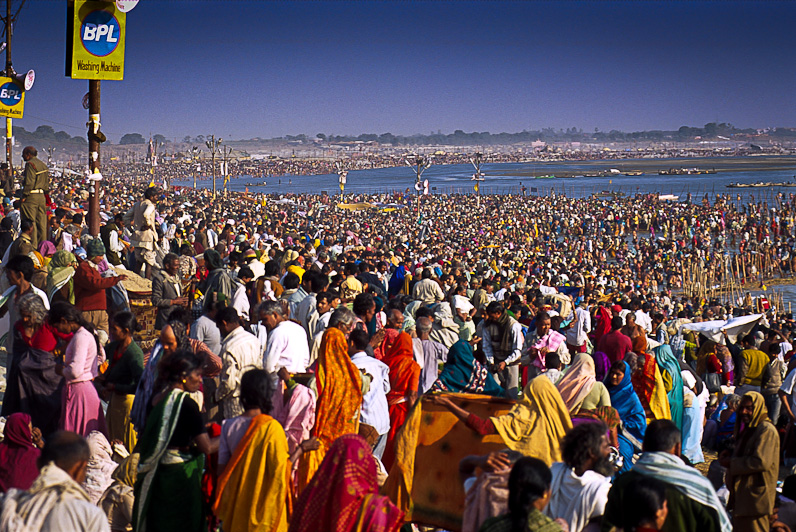
The electrifying energy of millions gathered in faith, the chants reverberating in the air, and the sheer scale of the event were unforgettable. It was a really out-of-the-world, divine experience. It can just be experienced and not be defined by any logic or knowledge-based explanation. Millions of people are coming here in search of the divine nectar.
We walked on the streets of Allahabad and the nearby Allahabad City station to see the huge gathering of pilgrims walking for the holy bath.


Kumbh Mela: A Marvel of Organization
Managing an event of this magnitude is an extraordinary feat. The Mela spans over two months, with temporary cities constructed to cater to millions of pilgrims. Harvard University researchers have studied its logistics to glean insights into handling large-scale gatherings, contributing to innovations in big data and event management.
We are witnessing back-of-house success in administration that leads to front-of-house success in the experience for more than a hundred million pilgrims. This event is a big deal for the Republic of India and for the state of Uttar Pradesh and for the city of Allahabad. It needs to go well.
John D. Macomber
A UNESCO Heritage
In 2017, UNESCO recognized the Kumbh Mela as an Intangible Cultural Heritage of Humanity, underscoring its global cultural and spiritual significance.
The Kumbh Mela is not just a festival but a living tradition that exemplifies India’s rich heritage. It stands as a testament to humanity’s collective quest for spiritual growth and divine connection, a gathering where the ancient meets the modern in an awe-inspiring confluence of faith and culture.
Har Har Gangay!! Har Har Mahadev!!

Pingback: Kumbh Mela | Shahi Snan on Mauni Amavasya – INDROSPHERE
I can never do what you did… I have a phobia of large gathering of people such as Kumbh…
Way back in 1988, our company has a stall in the Kumbh Mela and wanted some marketing guys to station themselves there, with great difficulty, I managed to avoid going.
LikeLiked by 1 person
I think the year was 1987, if I am not mistaken.
LikeLike
The improvements to the Sangam during Kumbh Melas are impressive. The expanded area and better arrangements have made it easier for pilgrims to move around. Plus, the safety measures have been effective, as no one has gone missing in recent Kumbh Melas.
LikeLike