
Every journey is a rediscovery of self — a conversation between the traveller and the timeless. Some destinations call not with grandeur, but with grace. Ujjain and Omkareshwar are among those places where faith breathes through the stones, where rivers carry stories, and where silence often speaks the loudest.
This is not just a travelogue; it’s a quiet walk through history, divinity, and the serene rhythm of the Narmada.
Prologue: A Long-Awaited Getaway
It had been quite a while since I travelled to a new destination. Academic commitments and internship schedules had kept me firmly grounded. When the urge to explore returned, Ujjain called out — for two compelling reasons.
Firstly, I had barely set foot in Madhya Pradesh beyond Maihar. Secondly, Ujjain — an ancient city situated along the Kshipra River — is steeped in mythological grandeur, often referred to as the City of Temples. My mother joined me, equally eager for her first visit to this sacred city.
Ujjain: The Eternal City of Central India
Ujjain stands on the Malwa plateau, a city that has witnessed millennia of cultural and political evolution. Around 600 BCE, it rose as the capital of Avanti, one of the sixteen Mahajanapadas.
Through the ages, Ujjain remained a beacon of trade, scholarship, and devotion — even after the British developed Indore as their administrative centre in the 19th century. Today, it remains one of India’s holiest cities, revered by Shaivites, Vaishnavites, and Shaktas alike.
The Journey Begins: Touchdown at Indore
Since Ujjain doesn’t have an airport, we flew into Devi Ahilyabai Holkar Airport, Indore — compact, clean, and tastefully designed.

From there, a pre-booked cab took us to Ujjain via a well-laid state highway. The 55 km drive was a breeze — smooth roads, scenic fields, and the open sky. In less than an hour, we reached our hotel and settled in for the night, eager for the pilgrimage ahead.
The Call of Omkareshwar
The following morning, we embarked on a trip to Omkareshwar, one of the twelve Jyotirlingas dedicated to Lord Shiva. This sacred island in the Narmada River derives its name from Omkara — the primordial sound “Om.”
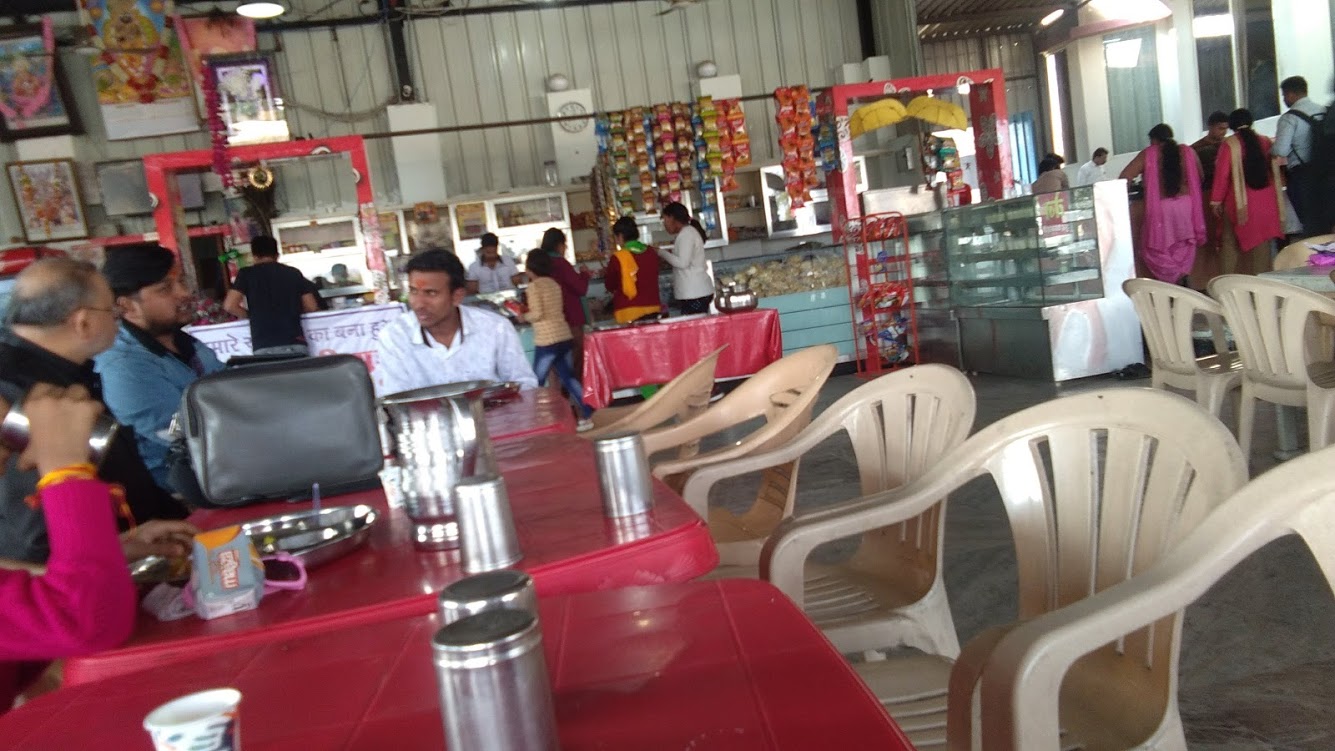
We left around 9 a.m., after breakfast. Midway, we paused for a tea break at a roadside dhaba named Baba’s Chowpati — rustic yet charming, the kind of place that makes road trips memorable. By 1 p.m., we arrived at Omkareshwar.
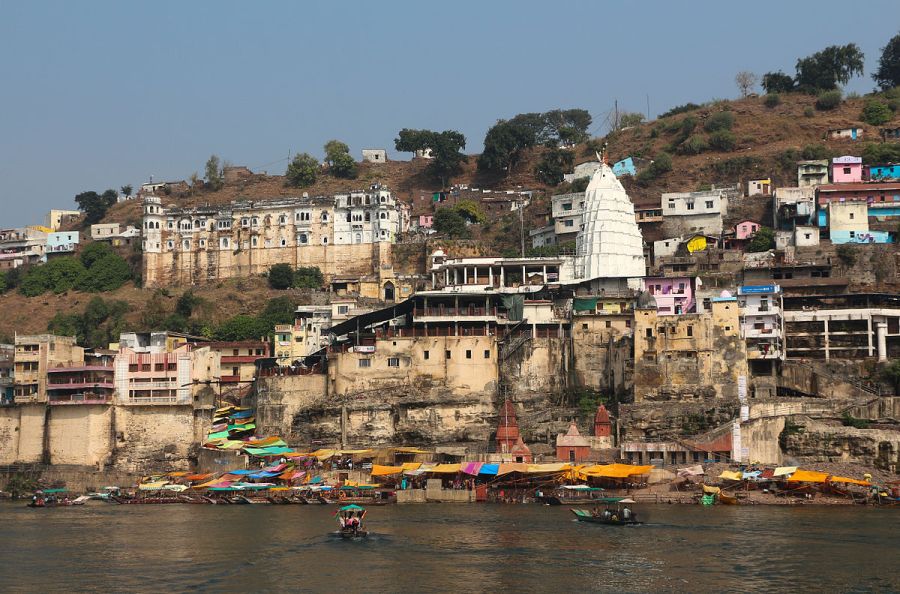
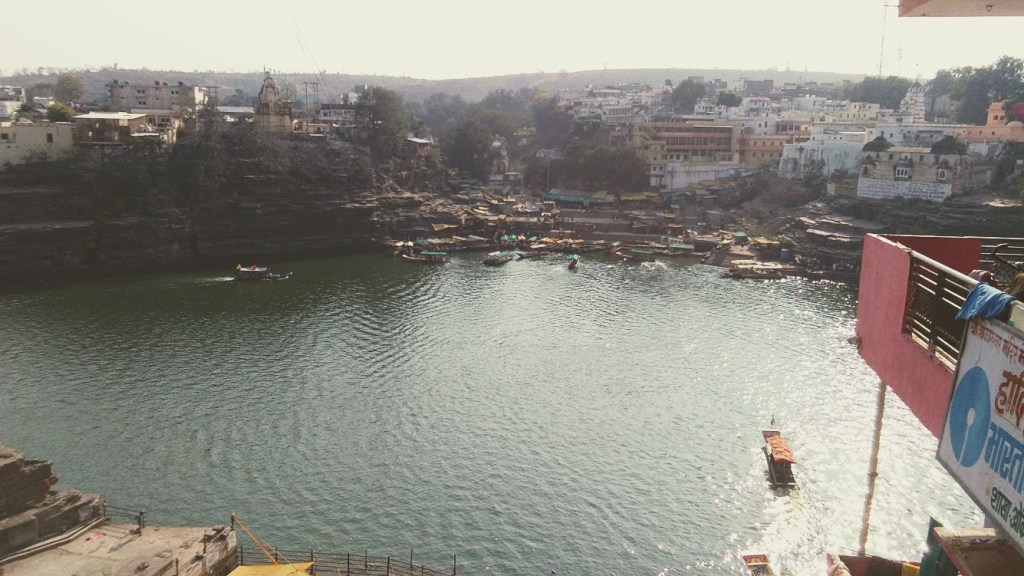
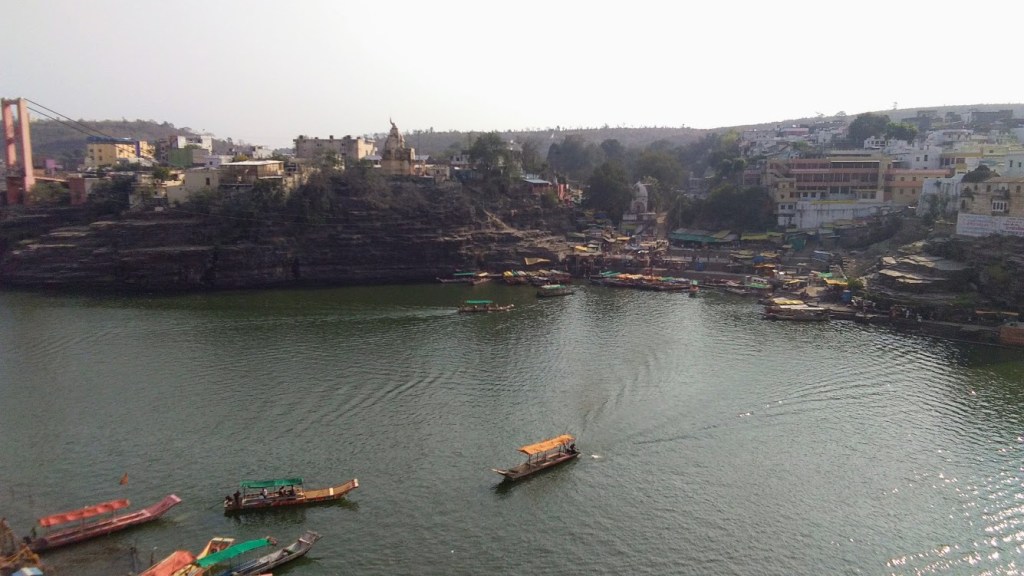
Omkareshwar temple is on an island called Mandhata or Shivapuri in the Narmada river; the shape of the island is said to be like the Hindu ॐ symbol. The symbol consists of three curves, a dot and a semicircle. The three curves symbolize the three states of consciousness: waking, dreaming and deep sleep. The dot symbolizes the fourth state of consciousness: pure awareness. The semicircle symbolizes the illusion of duality that separates us from the ultimate reality.
The Sacred Island of Om
Omkareshwar rests on the island of Mandhata (also called Shivapuri), whose very shape is said to resemble the Hindu symbol ॐ. The symbol represents multiple states of consciousness — waking, dreaming, and deep sleep — leading ultimately to pure awareness.
There are two main temples here:
- Omkareshwar, on the island
- Amareshwar (Mamleshwar), on the mainland
Both are considered sacred manifestations of the same Jyotirlinga.
Whispers of Legend and Faith
Omkareshwar’s aura is enriched by tales from ancient lore.
The Legend of Vindhya Mountain:
Narad Muni once praised Mount Meru in jest, stirring envy in Vindhya Parvat. To outshine Meru, Vindhya worshipped Lord Shiva through intense penance. When Shiva granted him a boon, Vindhya’s pride grew unchecked — until Sage Agastya intervened, compelling him to halt his growth forever. This myth symbolises the triumph of humility over arrogance.
As per Hindu legend, Vindya, the deity controlling the Vindyachal mountain range, was worshipping Shiva to propitiate himself from the sins committed. He created a sacred geometrical diagram and a Lingam made of sand and clay. Shiva was pleased with the worship and believed to have appeared in two forms, namely Omkareshwar and Amaleswara. Since the mud mound appeared in the form of Om, the island came to be known as Omkareswar.
The Tale of King Mandhata:
An ancestor of Lord Rama, King Mandhata performed deep penance here, leading to Shiva’s manifestation as a Jyotirlinga.
The War of Devas and Danavas:
When the Devas lost a celestial war to the Danavas, they prayed to Shiva, who appeared as Omkareshwar Jyotirlinga and restored cosmic order.
The Temple Experience
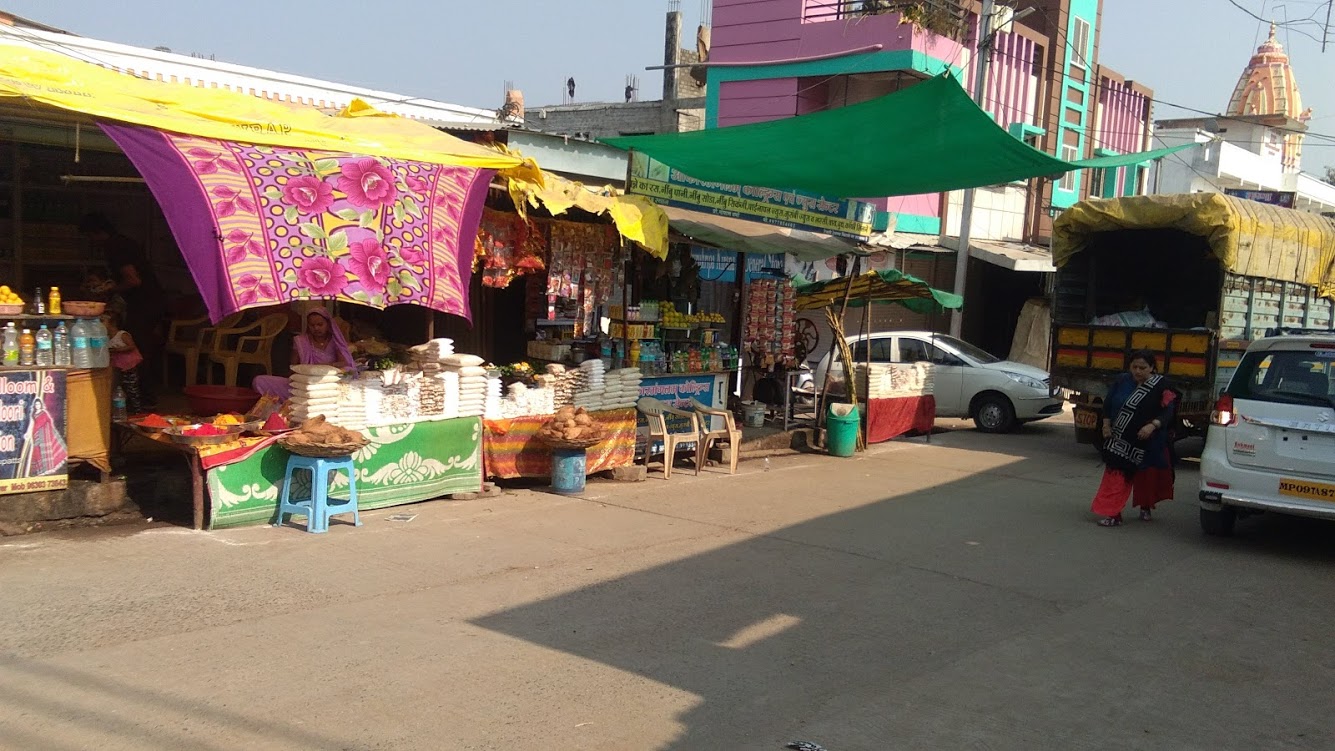
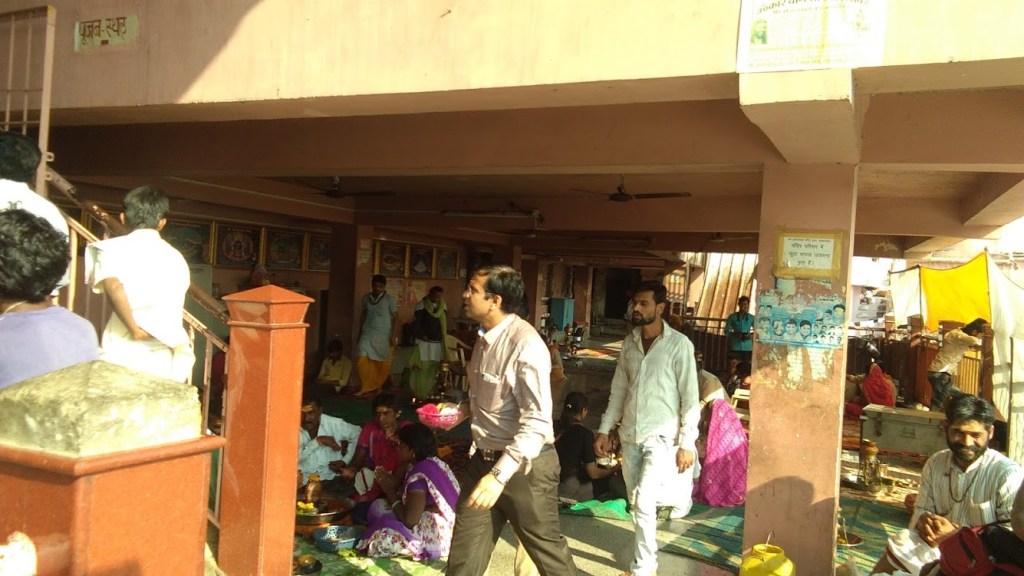
Our cab driver had arranged for a local priest who met us at the temple entrance. Being a Saturday, the temple was abuzz with chants, bells, and the fragrance of incense.
The Omkareshwar temple is said to have been built by King Mandhata, a descendant of Lord Rama, who worshipped Shiva here. The temple has a four-faced lingam, or symbol of Shiva, which is believed to be self-manifested. The four faces represent the four aspects of Shiva: Ishana (the supreme lord), Tatpurusha (the transcendent aspect), Aghora (the fierce aspect) and Vamadeva (the preserver aspect). The temple also has a shrine for Parvati, Shiva’s consort, and a Nandi bull, Shiva’s vehicle.
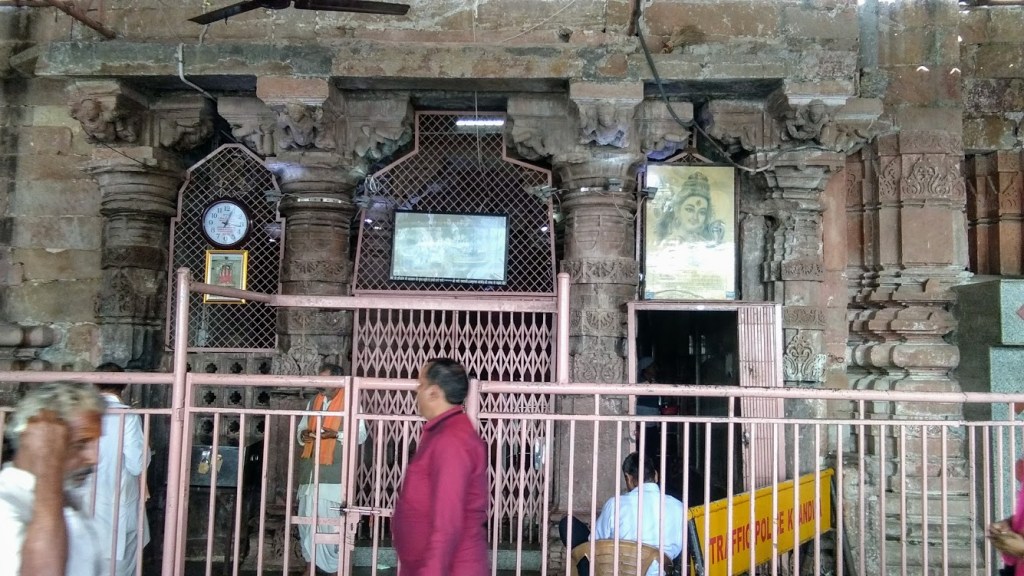
Through the VIP gate, we reached the sanctum and offered water to the Shivalinga. Later, we performed a small puja at one of the Shivalingas on the temple’s lower terrace, guided by the learned panditji.
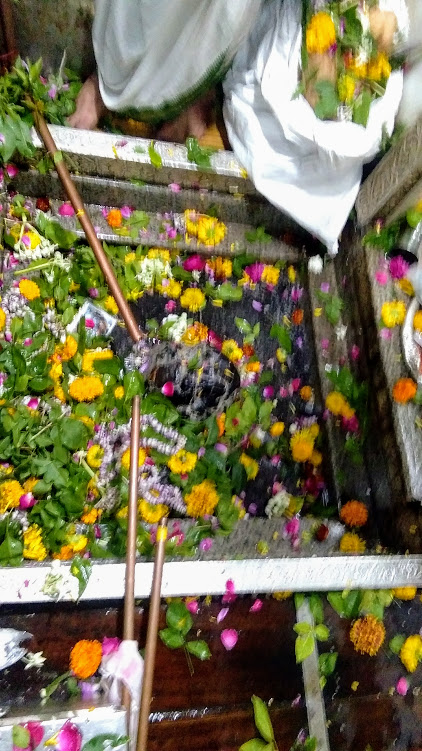
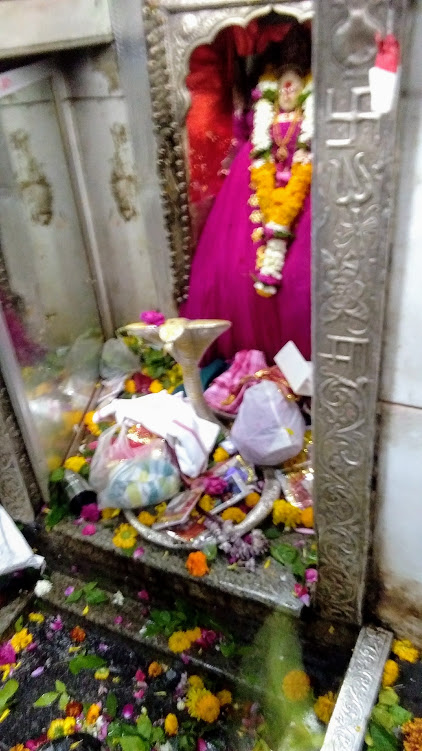
His calm explanations and rhythmic recitations created a meditative experience — the kind that silences the mind and fills the heart. My mother and I both felt a profound sense of peace.
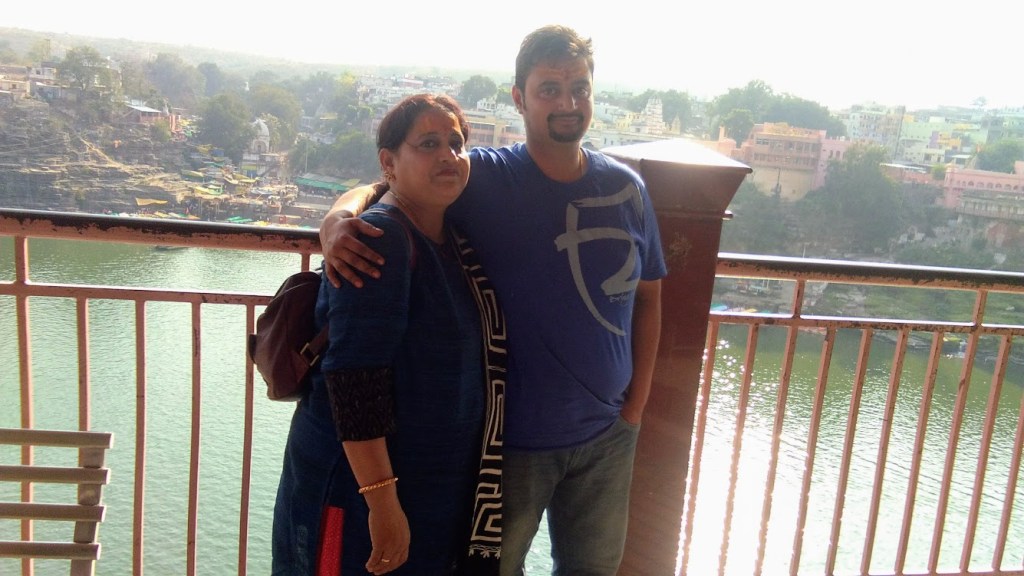
The River and the Hills
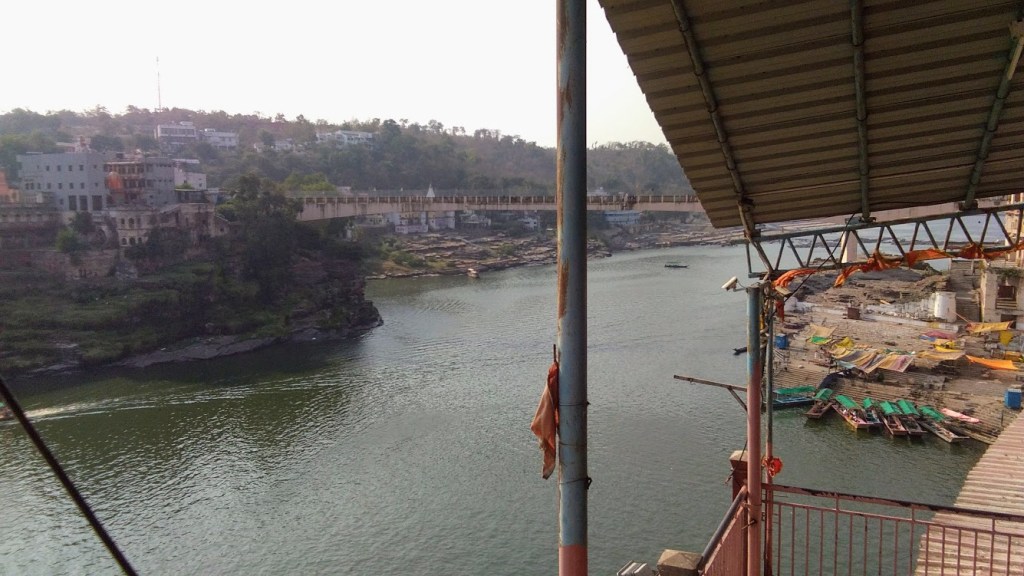
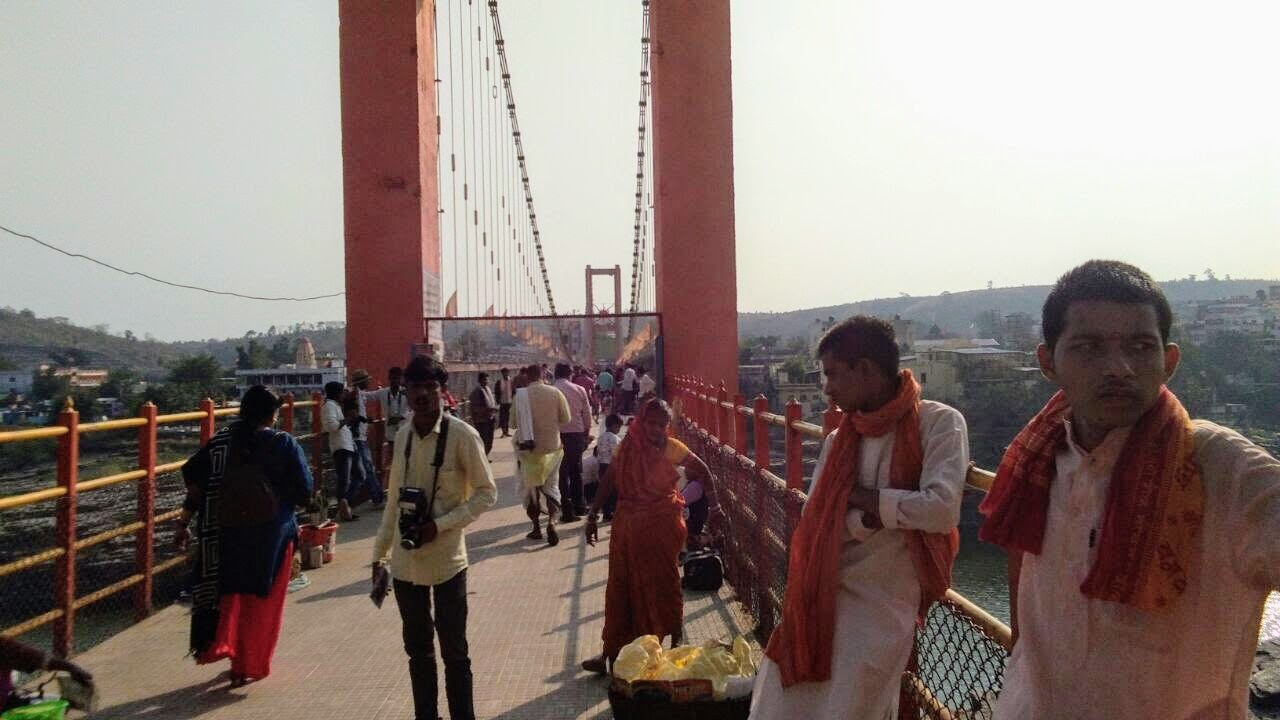
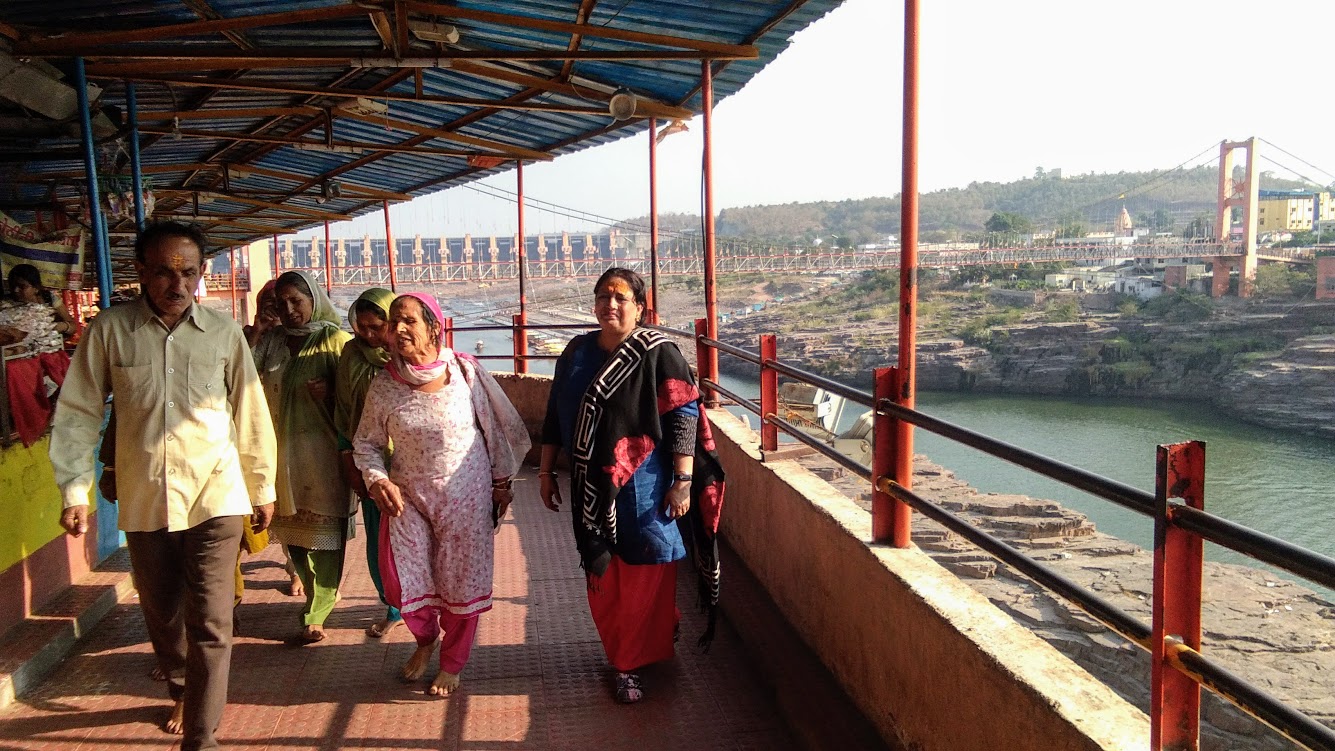
Omkareshwar is surrounded by gentle hills and the serene Narmada, forming a natural amphitheatre of faith. The cantilever bridge adds to the visual charm, while the sangam (confluence) of the Narmada and Kaveri rivers is regarded as deeply sacred — celebrated in the Matsya and Kurma Puranas. The Narmada Mahatmya texts, which glorify the Narmada River, extol the confluence (sangam) of Narmada and Kaveri as a holy place (tirtha).
In the Footsteps of Adi Shankaracharya
Just below the temple lies a modest cave, where Adi Shankaracharya is said to have met his Guru, Govindapada. Inside stands a peaceful idol of the young Shankaracharya, symbolising the eternal bond of teacher and disciple.
Standing there, in the quiet coolness of the cave, one feels the timeless pulse of India’s spiritual heritage.
Homeward Bound
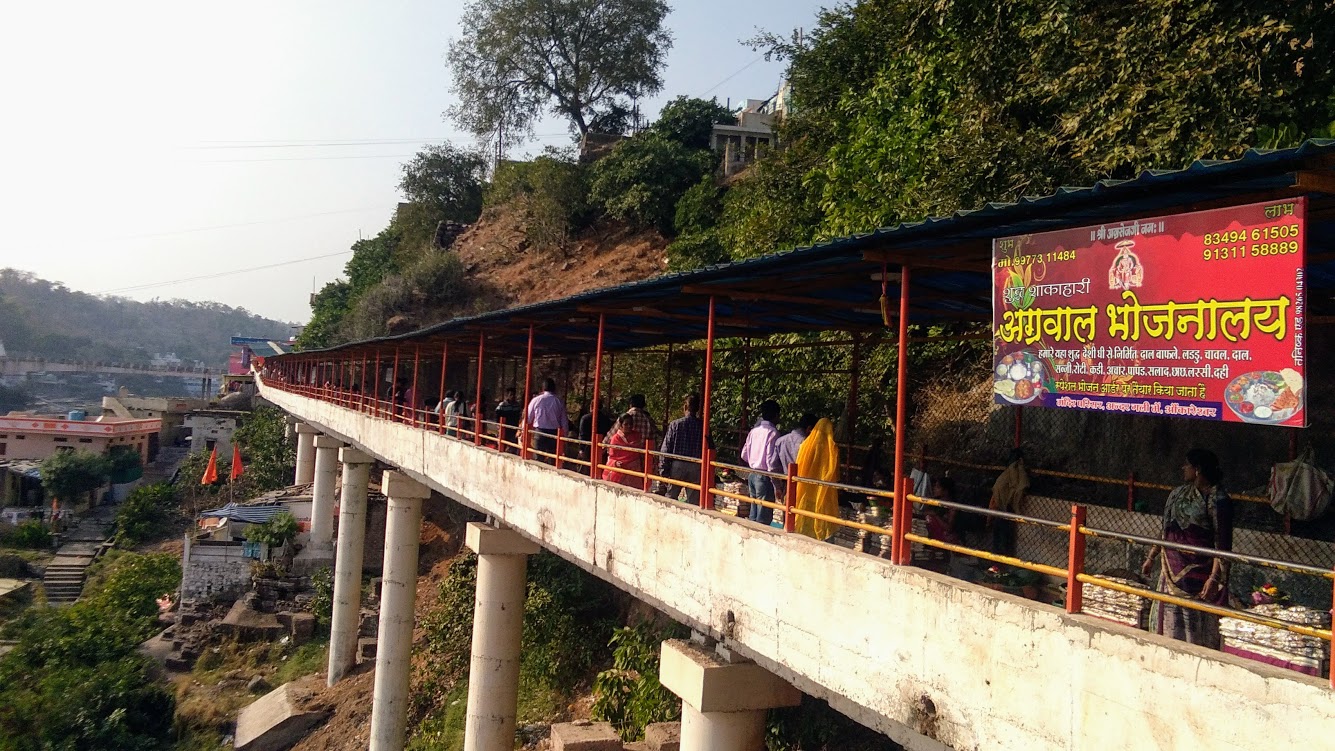
As we drove back, we stopped at Panchwati Dhaba for lunch — simple yet soul-satisfying. Further along, we visited a Shani temple on the highway. Since it was Saturday, the temple buzzed with devotees. After offering our prayers, we resumed our journey.
By evening, we were back at the hotel — a little weary, yet spiritually replenished.
Epilogue
Omkareshwar is more than a destination — it’s an experience that bridges history, faith, and human longing. The Narmada’s whisper, the temple bells, and the sacred chants all come together to remind us that devotion is not about distance — it’s about depth.
Har Har Mahadev!

Great photos! I look forward to visiting INDIA.
LikeLiked by 2 people
Thanks, Riley. You are most welcome to our great country.
LikeLiked by 1 person
Good, meticulous description to entice the believers. Cheers…
LikeLiked by 2 people
Har har Mahadev 😊
LikeLiked by 2 people
It seems that Omkareshwar has good infrastructure. Many Hindu religious site lack infrastructure to handle large crowd on specified days but this seems to be different. Thanks for the info.
LikeLiked by 2 people
Yes, Omkareshwar has good space around despite the temple being on an island surrounded by rivers Narmada and Kaveri. Thanks for your like.
LikeLiked by 2 people
you are welcome 🙂
LikeLiked by 1 person
The Narmada looks beautiful. Great to know about the mythological stories related to the Omkareshwar Temple… 🙂
LikeLiked by 2 people
Thank you!
LikeLiked by 1 person