

Hanuman—the fearless, devoted, and mighty vanara—has long captured the hearts of millions. Stories of his strength, unwavering devotion, and miraculous deeds have transcended generations, inspiring faith and reverence across India and beyond. Yet, amid these tales, one question continues to intrigue devotees and scholars alike: Where was Hanuman born?
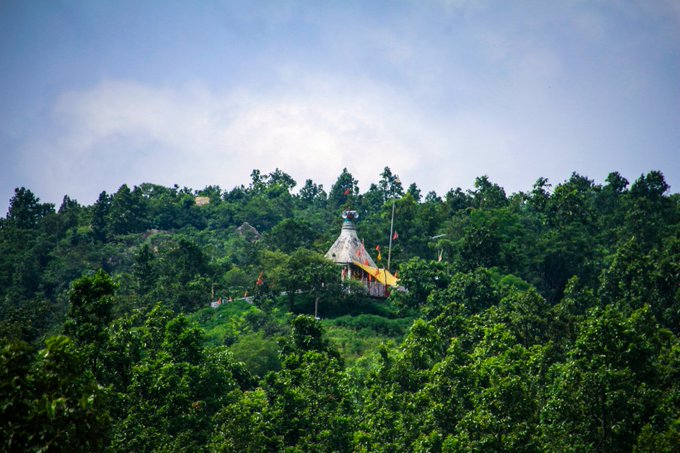
While multiple places lay claim to this honour, one destination in Jharkhand stands out: Anjan Dham. Nestled amidst rolling hills and serene landscapes, this sacred site is believed to be where Hanuman descended into the world, born to the celestial nymph Anjana and the wind god Vayu.
According to legend, Anjana’s deep penance and divine blessings from Lord Shiva set the stage for Hanuman’s birth. The story brims with mystique: the humble beginnings, the miraculous descent of a divine child, and the blessings that shaped a hero destined to aid Lord Rama in his epic journey.
A Pilgrim’s Journey
Anjan Dham is more than a myth; it is a living testament to the faith and cultural heritage of the region. The hilltop temple, discovered in part thanks to the efforts of a shepherd, a benevolent British official, and the Ratu Maharaj, stands as a beacon for pilgrims. Inside, statues depict Hanuman’s birth, flanked by the divine presence of Lord Shiva, Lord Rama, Sita, and Lakshmana—a reminder of the eternal narrative of devotion and dharma.
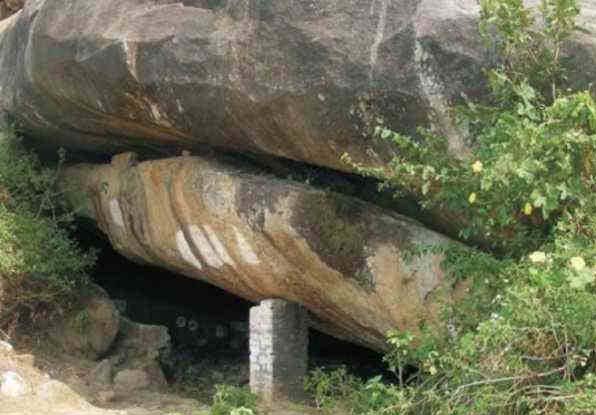
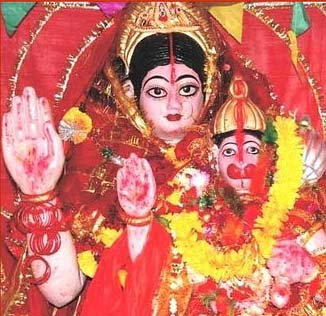
Visitors to the hill often ascend to a cave where Anjana is believed to have delivered Hanuman, and pay respects at the Anjana Devi temple, where the goddess is depicted cradling baby Hanuman. Devotees perform rituals such as abhisheka (pouring water or milk over the deity), sindoor chadhana (applying vermilion), and bali (offerings), seeking blessings, protection, and fulfilment of wishes. Many recount witnessing miraculous interventions, reinforcing the sacred aura of this hill.
Festivals & Fervour
The spiritual energy at Anjan Dham is particularly palpable during Ram Navami, Hanuman Jayanti, and Shivaratri. On these occasions, the hill throngs with pilgrims from across India. Chants, hymns, and prayers echo through the valleys, merging devotion with celebration. The air is thick with faith, hope, and the timeless belief in Hanuman’s protective presence.
Beyond the Temple
For those with a spirit of exploration, the hill offers more than spiritual solace. Scenic viewpoints reveal the rolling landscapes of Jharkhand, with forests, streams, and villages stretching into the horizon. It’s a place where mythology, nature, and culture intertwine, offering moments of reflection and inspiration with every step.
Multiple Claims, One Legacy
Yet, Anjan Dham is not the sole contender in the quest for Hanuman’s birthplace. Across India, numerous sites lay claim to this honour, each steeped in its own lore and legend. From Anjaneri in Maharashtra to Anjanadri in Andhra Pradesh, the diversity of these claims mirrors the rich tapestry of Hindu mythology and culture. Each site adds its own chapter to the saga of Hanuman, underscoring his universal appeal as a symbol of devotion, strength, and wisdom.
Ultimately, the truth of Hanuman’s birthplace may remain a mystery, but his essence is undeniable. Across these sacred sites, he continues to inspire devotion, courage, and hope.
In the story of Hanuman, we are reminded that myths are more than tales—they are vessels of cultural memory, moral guidance, and spiritual inspiration. Whether on the hills of Jharkhand or elsewhere, Hanuman lives in the hearts of those who seek courage, devotion, and the triumph of good over evil.
Jai Siya Ram
Jai Hanuman!
As we delve into the mysteries of Hanuman’s birthplace, we are reminded of the enduring power of faith and the boundless realms of myth and legend. In the quest for truth, we find not just answers but a deeper understanding of the cultural tapestry that binds us together. In the story of Hanuman, we discover a timeless saga of devotion, courage, and the triumph of good over evil—a narrative that continues to resonate through the ages.

I went to Netarhat and heard about this place and it is not far from there. But due to the paucity of time, we could not visit the place. Thanks for sharing.
LikeLiked by 1 person
Thanks, Sanchita.
LikeLike
Interesting. Never knew this piece of information.
LikeLiked by 1 person
Thanks, Arvind.
LikeLiked by 1 person
Never knew this piece of information. Thanks for the share.
LikeLiked by 1 person
Thanks, Nilanjana.
LikeLike
Interesting… It seems everyone wants a pie of the popularity of Hanuman…
I was surprised to see the vast number of devotees of Hanuman in southern part of the country… I was in the impression that Bajrangbali is worshipped mainly in the north India.
LikeLiked by 1 person
I have seen many temples in TN where Hanuman is also worshipped, for a large part of his life until the Lanka Yudh, Hanuman was in Kishkindha, which is now in Karnataka, mainly. But yes Chalisa is purely North India as it was written in Awadhi language.
LikeLiked by 1 person
I am trying to byheart Hanuman Chalisa for long
https://www.bruhaspatinath.com/hanuman-chalisa-in-hindi-lyrics/
LikeLiked by 1 person