
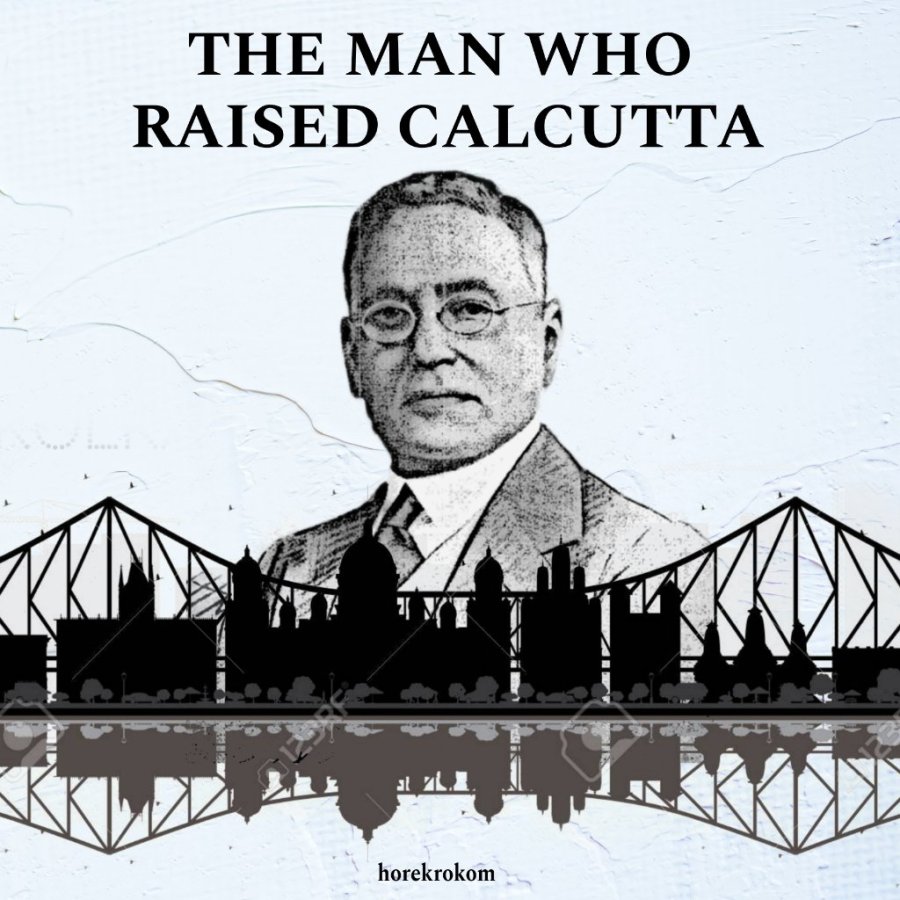
It may sound unusual, but what if we told you that a single man was responsible for creating many of Kolkata’s architectural marvels? This is the story of Sir Rajendra Nath Mookerjee—a visionary whose genius remains largely uncelebrated.
A few days ago, I came across a thread on X about this remarkable man. Incidentally, the Mookerjees hail from Bhyabla, Basirhat—the same place as my ancestral roots. Inspired by his extraordinary journey, I felt compelled to write about him here. My gratitude to @horek_rokom for the insightful story and images.
The Humble Beginnings of a Visionary
Born in the 19th century in Bhyabla, Basirhat, Rajendra Nath Mookerjee was a boy with grand dreams of entrepreneurship. During that era, business was often perceived as a fallback for those who struggled academically. Losing his father at a young age, Mookerjee pursued his passion for machines and mechanisms by enrolling at IIEST Shibpur, which was then affiliated with Presidency College. However, health issues prevented him from completing his final exams.
Determined to chart his own path rather than settle for a clerical job, he took a leap of faith into the world of engineering and construction.
A Chance Encounter That Changed Everything
At the time, the Alipore Zoo was under construction under the supervision of a British chief engineer. Mookerjee, passing by, noticed the engineer struggling to communicate with local workers. Fluent in both English and the native language, he stepped in, swiftly grasped the requirements, and efficiently conveyed them to the workers. Impressed by his skills, the Englishman offered him a role in the upcoming Palta Water Works project. This proved to be the turning point of his life.
Mookerjee successfully completed the project and soon found himself overseeing water supply projects in major cities like Lucknow, Allahabad, Agra, and Kanpur.
Building Kolkata’s Landmarks
Despite his growing reputation, Mookerjee faced marginalisation as a native entrepreneur competing against foreign firms. To counter this, he co-founded Martin & Company in the 1890s with Sir Thomas Acquin Martin. After Martin’s passing, Mookerjee became the sole senior partner, acquiring Burn Company and merging them to form Martin & Burn Company.
This company went on to shape Kolkata’s skyline, being involved in the construction of:
- Victoria Memorial – Originally commissioned only for the foundation, Martin & Co. impressed the British so much that they were entrusted with building the entire monument. This achievement earned Mookerjee his knighthood.
- Dakshineshwar & Belur Math temples
- Tipu Sultan Mosque
- Garden Reach Shipbuilders
- Shahid Minar
- Hooghly Dockyard


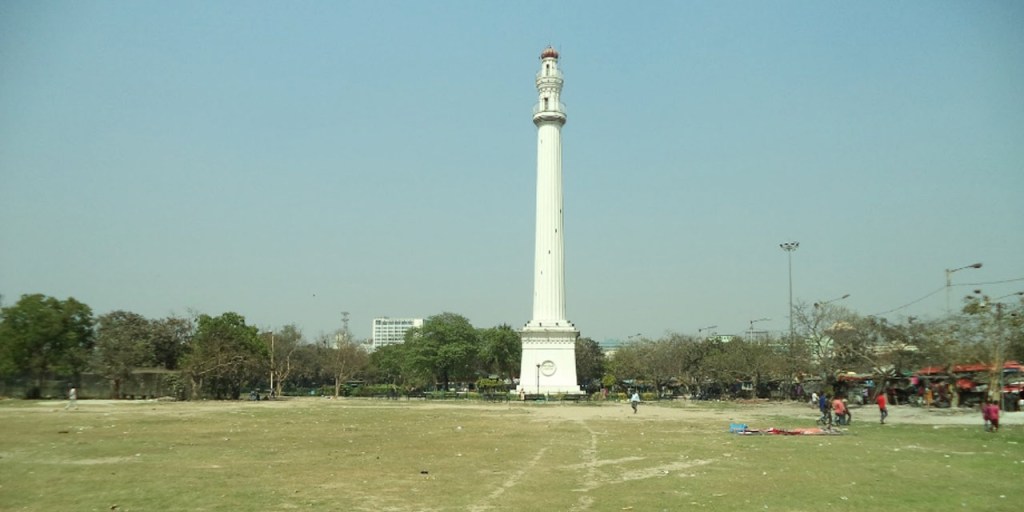


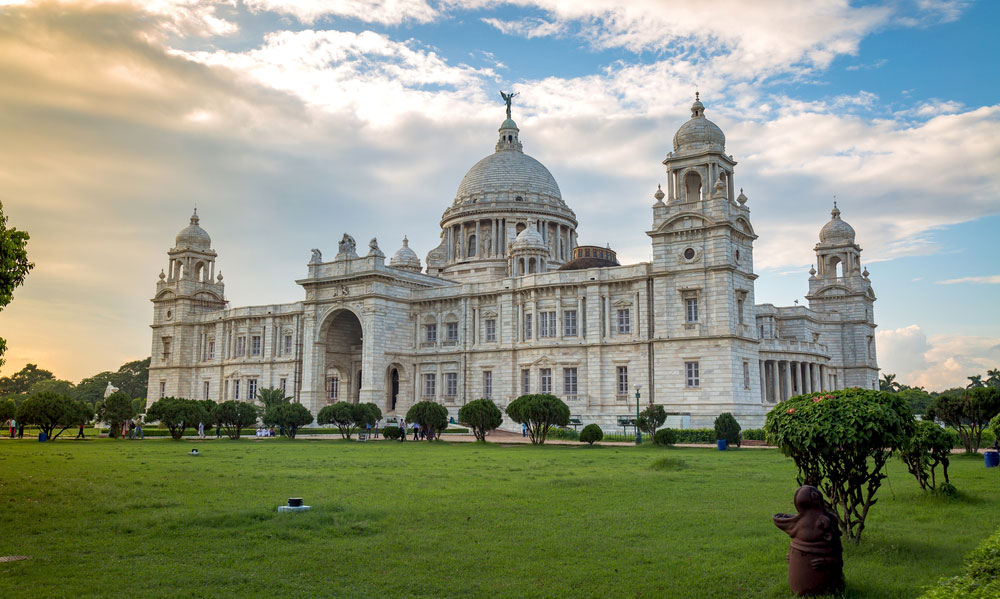
Howrah Bridge & Beyond
Perhaps Mookerjee’s most famous contribution was the Howrah Bridge and Howrah Station—an engineering marvel that remains one of the busiest bridges in the world.
Recognizing the limitations of British railway networks, Mookerjee also introduced an affordable, private narrow-gauge railway system—popularly known as Martin Rail—connecting smaller towns across Bengal, Bihar, and Delhi. Though defunct today, remnants of this network still exist.
The Birth of IISCO
As his company expanded, Mookerjee realised the growing cost of importing iron and steel. Though he previously ran the Bengal Iron Company in Kulti, it wasn’t sufficient. In 1918, alongside fellow engineers, he co-founded IISCO (Indian Iron and Steel Company) in Burnpur, which remains an integral part of SAIL (Steel Authority of India Ltd.) today. At the time, only TISCO (Tata Steel) and IISCO were the pillars of India’s steel industry.
Mookerjee’s steel plant became so influential that Mahindra & Mahindra and Japan’s Nippon Steel Co. sent their management trainees there for training.
His Contributions Beyond Industry
Beyond engineering, Mookerjee played a pivotal role in Indian sports and academia:
- He was Chairman of the Olympic Committee (1932) when India’s hockey team, led by Dhyan Chand, won gold.
- He was a key patron of the Mohun Bagan Club, the Calcutta Club, and the Bengal Flying Club.
- He supported Prasanta Chandra Mahalanobis in founding the Indian Statistical Institute (ISI).
Honours & Legacy
For his extraordinary contributions, Mookerjee was honoured with:
- Companion of the Order of the Indian Empire (CIE) – 1908
- Knight Commander of the Indian Empire (KCIE) – 1911
- Knight Commander of the Royal Victorian Order (KCVO) – 1922
- Sheriff of Kolkata – 1911
- Honorary D.Sc. from Calcutta University – 1931
Following his death in 1936, his son Biren Mookerjee continued his legacy, expanding IISCO and Martin Rail. Even Biren was later knighted for his contributions.
A Forgotten Titan
Sir Rajendra Nath Mookerjee’s contributions to India’s industrial and architectural heritage remain unparalleled. Nearly 170 years since his birth, his creations still define Kolkata’s skyline. Despite this, his name is scarcely mentioned in public memory.
In a world where Bengalis are often stereotyped as indifferent to business and industry, Mookerjee stands as a shining exception, proving that vision, resilience, and innovation can build legacies that last centuries. His work speaks for itself, etched in the very foundations of the city.
It’s time we remember and celebrate him as one of India’s greatest industrial pioneers.

Thanks for throwing light on the exploits of Sir R N Mookerjee.
LikeLiked by 2 people
Thanks, sir!
LikeLike
Nice info on Sir RB Mookerjee. I knew that many of the monuments of Kolkata are attributed to him but I did not have an idea that he achieved so much!
LikeLiked by 3 people
Thanks, Nilanjana.
LikeLike
Quite informative!
LikeLiked by 2 people
Thanks, Sanchita.
LikeLike
Very informative post.
LikeLiked by 2 people
👍. Thanks
LikeLike
Thanks for your insightful article. In 1932, George Bernard Shaw wrote a play titled: ‘On the Rocks’. It had a character named: Sir Pandranath Jafna. Do you think his character might have been inspired by Sir Rajendra Nath Mukherji? Pl see this link for more details:
https://en.m.wikipedia.org/wiki/On_the_Rocks:_A_Political_Comedy#Plot
LikeLike