
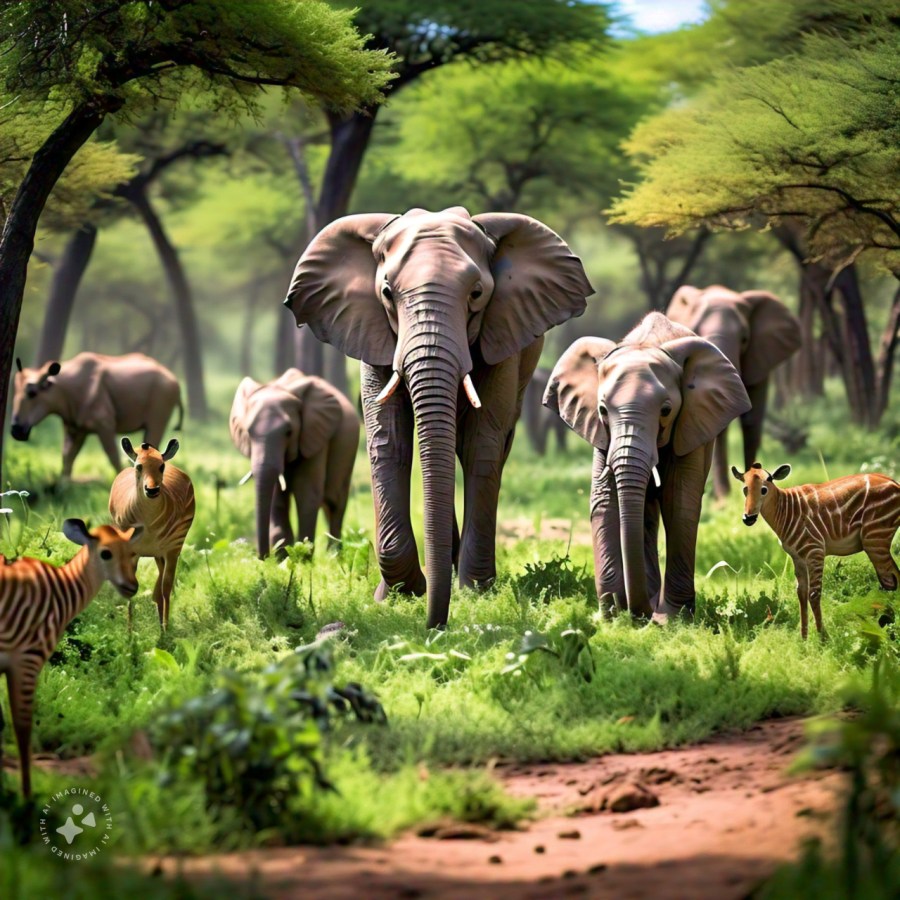
Namibia, a nation known for its vast landscapes and rich biodiversity, is grappling with one of the most severe droughts in its history that has pushed it to the brink. This drought, which has been described as the worst in a century, has brought the country to a tipping point, forcing it to make difficult decisions to ensure the survival of its people. Among these decisions is the controversial move to cull 723 wild animals, including 83 elephants, to provide food for its population, nearly half of whom are currently facing a hunger crisis.
This decision, as reported by the New York Times, has sparked intense debate and controversy both domestically and internationally. While some see it as a necessary measure to survive, others argue that it is a cruel and inhumane solution that will have long-lasting ecological consequences.
The Severity of the Crisis
The drought in Namibia is not an isolated event but part of a larger climatic disaster affecting Southern Africa. Rising temperatures, exacerbated by climate change and the El Niño weather phenomenon, have resulted in significantly below-average rainfall across the region. February, which typically brings much-needed rain, saw less than 20 per cent of the expected precipitation. This has had a catastrophic impact on agriculture, water supply, and food security.
Namibia, a country heavily reliant on its natural resources, is particularly vulnerable. The nation has already exhausted 84 per cent of its food reserves, leaving it with limited options to feed its 1.4 million people who are in dire need. The situation is so severe that the United Nations World Food Program reported in June that over 30 million people in Southern Africa are affected by this drought.
The Decision to Cull: A Matter of Survival
The drought, the worst in a century, has had a devastating impact on Namibia’s people and wildlife. Nearly half of the country’s 1.4 million people are facing a hunger crisis, and the scarcity of resources has led to an increase in dangerous encounters between humans and animals. The government hopes that culling a portion of the wildlife population will not only provide food but also help to mitigate these conflicts.
In response to this crisis, Namibia has decided to cull a significant number of wild animals. The decision, though controversial, is seen by the government as a necessary measure to provide immediate relief to the population. The cull is expected to provide a substantial amount of meat, which will be distributed to communities most affected by the drought.
The decision to cull wildlife is a difficult one. It involves weighing the immediate needs of the population against the long-term ecological consequences. While culling can provide a short-term solution to the food crisis, it can also have negative impacts on wildlife populations and ecosystems.
The animals targeted for the cull include 83 elephants, a species that is both iconic and endangered. This has sparked international debate, with conservationists expressing concern over the impact on wildlife populations. However, the Namibian government argues that the move is essential not only for human survival but also to reduce dangerous encounters between humans and wildlife. As resources become scarcer, such encounters have increased, leading to loss of life and property.
A Double-Edged Sword: Conservation vs. Human Survival
The decision to cull wildlife in Namibia brings to the forefront the complex balance between conservation and human survival. Namibia has long been a leader in wildlife conservation, boasting one of the largest populations of free-roaming black rhinos and elephants in the world. The country’s community-based conservation model, which allows local communities to benefit from wildlife tourism, has been hailed as a success. However, the drought has put unprecedented pressure on this model.
The culling of elephants, in particular, has raised ethical questions. Elephants are keystone species, playing a crucial role in maintaining the structure of the ecosystems in which they live. Their loss could have far-reaching consequences for biodiversity. Yet, the immediate needs of nearly 700,000 people facing hunger cannot be ignored.
Climate Change: The Root of the Crisis
At the heart of this crisis is climate change. Namibia, like many other countries in Southern Africa, is bearing the brunt of a global problem that it has contributed little to. The region’s vulnerability to climate change is exacerbated by its dependence on rain-fed agriculture and limited infrastructure to cope with extreme weather events.
Climate change is playing a significant role in the drought. Rising temperatures have disrupted rainfall patterns, leading to prolonged dry periods and reduced water availability. The El Niño weather phenomenon has also contributed to the severity of the drought, resulting in substantially below-average rainfall.
The drought is not unique to Namibia. It is part of a broader regional crisis affecting southern Africa. The El Niño weather phenomenon, which has intensified the drought, is expected to become more frequent and severe as global temperatures rise. This means that Namibia and its neighbours may face similar crises in the future, making it imperative to find long-term solutions that address both human and environmental needs.
The United Nations World Food Program has warned that over 30 million people in the region are affected by the drought, which has been exacerbated by rising temperatures and the El Niño weather phenomenon.
The Need for Global Action
Namibia’s situation is a stark reminder of the urgent need for global action on climate change. While the country’s immediate response is focused on survival, the international community must step up to support Namibia and other affected nations in building resilience to climate change. This includes providing financial and technical assistance for sustainable agriculture, water management, and conservation efforts.
Moreover, global efforts to reduce greenhouse gas emissions must be accelerated to prevent further deterioration of the climate. The situation in Namibia is a clear indication that the impacts of climate change are not just environmental but also deeply social and economic.
Conclusion: A Call for Compassion and Cooperation
As Namibia continues to grapple with the devastating effects of the drought, it is clear that urgent action is needed to address both the immediate humanitarian crisis and the underlying environmental challenges. The decision to cull wildlife is a stark reminder of the difficult choices that must be made in the face of climate change and its devastating consequences. It is a sobering reminder of the interconnectedness of human and environmental well-being.
Moving forward, Namibia’s experience should serve as a catalyst for greater international cooperation in addressing the root causes of climate change and supporting vulnerable communities. The world must recognize that the fight against climate change is not just about protecting the environment but also about ensuring the survival and dignity of people in every corner of the globe.

This is a deeply troubling situation that highlights the complex challenges faced by nations on the frontlines of climate change. While culling wildlife to feed the hungry is heartbreaking, it’s a stark reminder of how climate change is forcing difficult decisions that pit human survival against conservation efforts. We need to address the root causes of these crises and support affected communities before such extreme measures become the norm. This calls for global cooperation and urgent action to combat climate change and protect both human and wildlife populations.
LikeLiked by 2 people
I agree wholeheartedly. This is a tragic situation that underscores the devastating consequences of climate change. While culling wildlife is a heartbreaking measure, it’s a stark reminder of the interconnectedness of our planet’s ecosystems. We must prioritize global cooperation and immediate action to address the root causes of this crisis, including climate change, poverty, and ecological degradation. By supporting affected communities and investing in sustainable solutions, we can work towards a future where human and wildlife populations can coexist harmoniously.
LikeLike
It is very depressing! It must be a very difficult decision for the Namibian government as the wildlife is their main source of revenue. People visit Namibia for the wildlife.
LikeLiked by 1 person
It’s disheartening to see the signs of humanity fading in today’s world. Every day, it feels like we’re stepping further away from the values that define civilization—compassion, empathy, and respect for one another. It’s a sobering reality, and indeed, very sad to witness.
LikeLike
Very sorrowful indeed. But is it impossible for the rest of the world to help the country rehabilitate with minimum possible nature destruction? There are great minds who can think and calibrate the reasons and ways to change the course.
LikeLiked by 1 person
I hope that world leaders prioritize climate action, maturity, and humanity over the pursuit of war and destruction. It’s crucial that we uphold the values that define our civilization, such as compassion, cooperation, and sustainability, above all else. By doing so, we can create a more harmonious and resilient world for future generations
LikeLike
This is shocking!
What about importing food for the time being ?
LikeLiked by 1 person
They don’t have funds to import food and so they’re deciding for such a drastic decision. Thanks to that decision, there are some reactions. Let’s see how much can be covered?
LikeLiked by 1 person