

The Silk Road stands as one of the most iconic networks of trade in human history, spanning over 6,400 kilometres and connecting diverse civilizations from China, and India to the Mediterranean. Its legacy is not merely the exchange of goods but the profound impact it had on economies, cultures, and global interaction. This ancient trade network serves as a remarkable case study of ingenuity, collaboration, and resilience, with lessons that echo in today’s globalized world.
The Silk Road: A Network of Connectivity
The Silk Road (or the Silk Routes) was not a single path but a web of interconnected trade routes stretching from East Asia through Central Asia, the Middle East, and into Europe. At its peak, it facilitated the exchange of luxury goods such as silk, spices, paper, ceramics, and precious metals. However, the Silk Road was more than a trade route—it was a conduit for ideas, religions, and technologies, catalyzing cross-cultural exchanges that shaped civilizations.

The Economy of the Silk Road
Trade along the Silk Road fueled the economies of vast empires. By linking distant markets, the network created demand for products that were rare or entirely unavailable in certain regions. For example:
- China: Exported silk, porcelain, and paper, which were highly coveted in the West.
- India: Contributed spices, textiles, and gemstones.
- Persia: Known for its carpets, perfumes, and metalwork.
- Rome: Imported luxury items in exchange for wine, glassware, and coins.
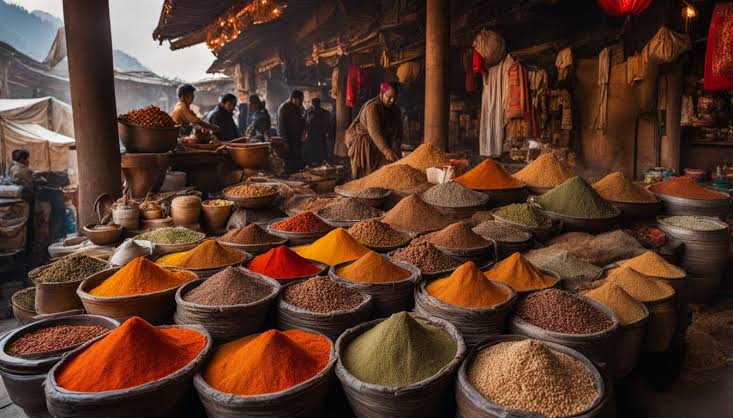
The economic model was built on specialization. Merchants, rather than traversing the entire route, focused on specific segments. For example, a trader in Central Asia might specialize in transporting goods through mountain passes, while another dealt with desert caravans. This relay system minimized risks—such as bandit attacks, political upheavals, and extreme weather—while optimizing efficiency.
An Ecosystem of Trade
The Silk Road was a dynamic ecosystem that depended on the collaboration of various stakeholders:
- Caravanserais: Strategically placed rest stops provided safe havens for merchants and their animals. These hubs were vital for restocking supplies and facilitating smaller, localized trade transactions.
- Nomadic Tribes: Played a key role in navigating challenging terrains and offering protection in exchange for goods or fees.
- Artisans and Farmers: Local producers supported the network by creating goods for trade, from silk fabrics in China to wine in the Mediterranean.
- Camel Herders and Animal Handlers: Essential for transporting goods across deserts and rugged landscapes.
This interconnected system created an economic lifeline for millions, showcasing how cooperation could sustain vast operations across continents.
Cultural Exchange and Innovation
One of the Silk Road’s most profound impacts was its role in spreading ideas and technologies:
- Religion: Buddhism spread from India to China, deeply influencing East Asian culture and art.
- Technology: Innovations like paper-making and printing traveled westward, eventually transforming European societies.
- Culinary Exchange: Spices from India enriched Mediterranean cuisine, while Persian motifs influenced Chinese silk designs.
This constant flow of ideas stimulated innovation, as societies adapted and improved upon the knowledge and practices they encountered.
The Evolution of Bills of Exchange
To facilitate the exchange of goods over such vast distances, traders developed financial instruments that laid the foundation for modern banking. Bills of exchange emerged as a pivotal tool:
- Functionality: These documents allowed merchants to receive payment in one city and redeem it in another, reducing the need to carry large quantities of coins, which were prone to theft.
- Security: By entrusting funds to reliable intermediaries, traders could mitigate the risks associated with transporting cash.
- Efficiency: This system accelerated transactions and expanded the scale of trade, as merchants could operate on credit rather than being limited by physical currency.
Bills of exchange were a testament to the innovative spirit of the Silk Road, showcasing how necessity drives financial evolution.
The Decline and Legacy of the Silk Road
The Silk Road began to wane in the 15th century due to several factors, including:
- Maritime Trade Routes: The Age of Exploration shifted trade to sea routes, which were faster and safer.
- Political Fragmentation: The decline of major empires reduced the stability necessary for overland trade.
- Economic Shifts: Local economies evolved to focus on more sustainable, regional trade.
Despite its decline, the principles of the Silk Road endure. The relay system of specialization and collaboration has shaped modern supply chains, from shipping containers to digital logistics. The concept of optimizing local expertise for a global network is as relevant today as it was over two millennia ago.
Key Takeaways for Modern Trade
The Silk Road offers timeless lessons for contemporary and future supply chains:
- Specialization and Focus: By mastering local segments, businesses can overcome logistical challenges.
- Collaboration and Resilience: Partnerships and shared knowledge create robust systems capable of weathering disruptions.
- Innovation Through Interaction: Cross-cultural exchanges remain a powerful driver of technological and economic progress.
Conclusion
The Silk Road was not merely a trade network; it was a symbol of human ingenuity, resilience, and the boundless potential of collaboration. As we navigate the complexities of modern globalization, the strategies and innovations of the Silk Road continue to inspire solutions for building interconnected and sustainable economies.

Insightful
LikeLiked by 1 person
Thank you 👍
LikeLike
Excellent and insightful post about one of the most fascinating pieces of history. You do an incredible job putting it all into perspective with this post. Well done!
LikeLiked by 1 person
Thanks a lot 🙏
LikeLike
Love this 😊
LikeLiked by 1 person
Thank you!
LikeLike
Fascinating. And simply explained.
LikeLiked by 1 person
Thanks, sir.
LikeLike