

The morning opened with uncertainty. My health had visibly weakened, and my husband, ever attentive, suggested that I rest and let the day pass quietly. Yet beneath the discomfort, a quiet determination stirred. I promised we would move gently, listen to my body, and allow faith—rather than force—to set our pace. And so, we stepped out together.
Our first stop was the Vishnupad Temple, sanctified by the belief that Lord Vishnu placed his sacred footprint upon Gayasur at this very spot. Crossing its threshold felt like stepping beyond time. The temple stood firm and ancient, its stone corridors bearing the imprints of generations of pilgrims who had arrived here carrying prayers, grief, and hope. Chants floated softly through the air, incense lingered, and the outside world receded into stillness.
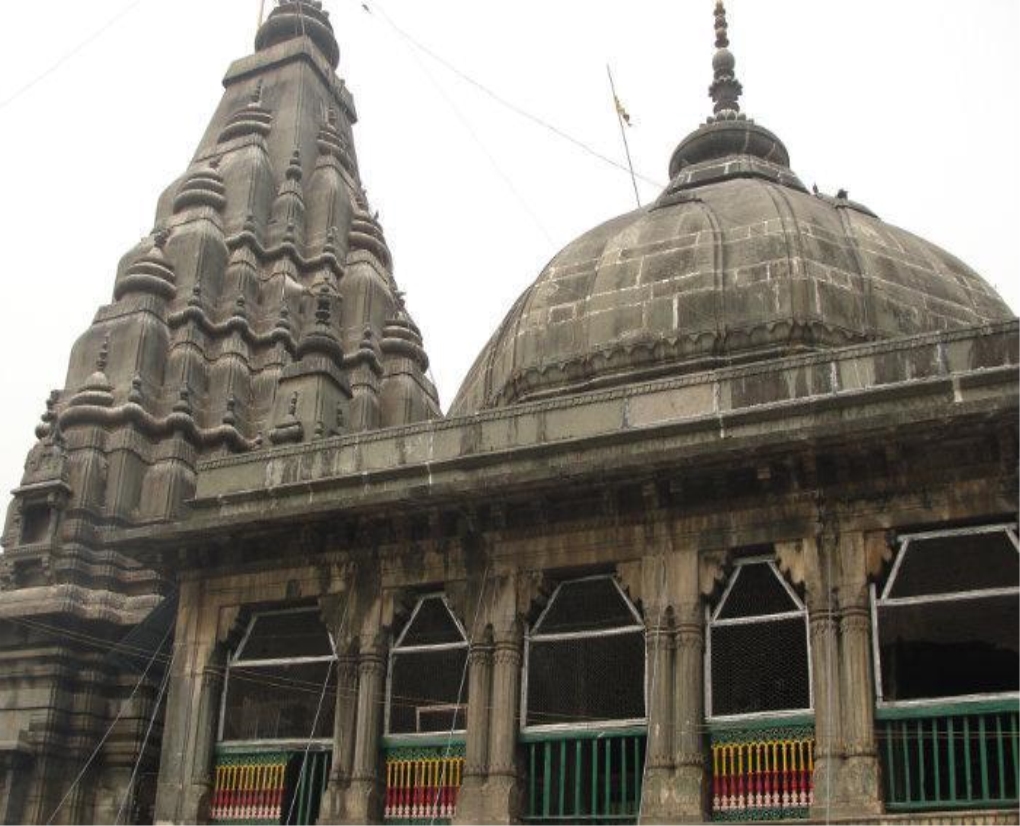
A priest recounted the legends of the shrine, gesturing toward the golden-topped shikhara glowing quietly in the morning light. After darshan, we proceeded to Mangla Gauri Shaktipeeth—one of the most revered centres of Shakti worship. The garbha-griha felt like a sacred womb: dark, cave-like, profoundly still. Standing there, I felt humbled, diminished in scale yet quietly strengthened.
After a simple Vaishnav meal, we set out for Bodhgaya. The road tested both patience and endurance—narrow lanes, deep potholes, relentless jolts. Yet anticipation sustained me. The thought of approaching a place so deeply etched into the spiritual consciousness of the world offered strength where energy faltered.
By afternoon, we wandered through monasteries built by nations far from this land—Japanese, Bhutanese, Sri Lankan, Thai, Tibetan, Mongolian. Each carried its own architectural language, rhythm of prayer, and interpretation of peace. It felt as though the world had gathered here, not in noise, but in quiet harmony.
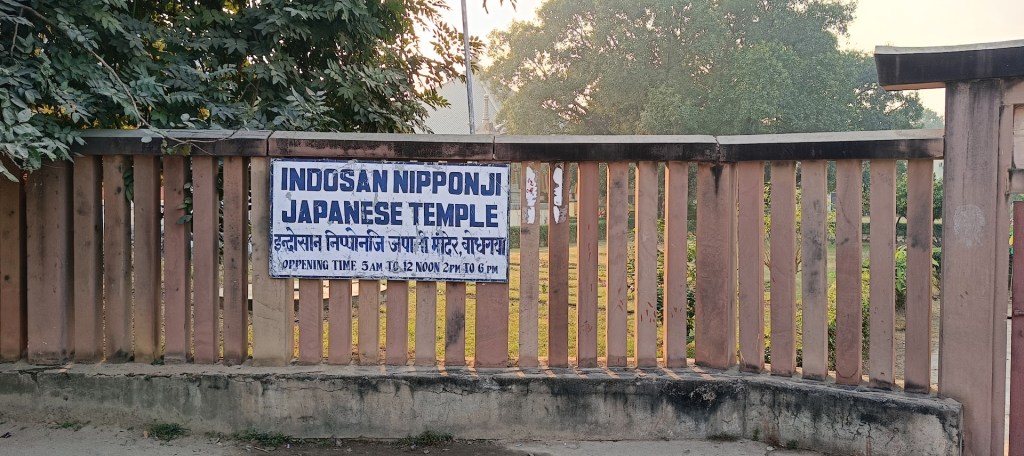
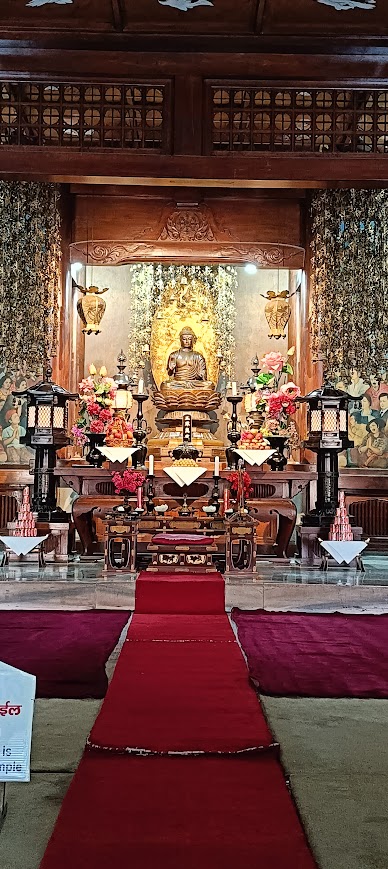


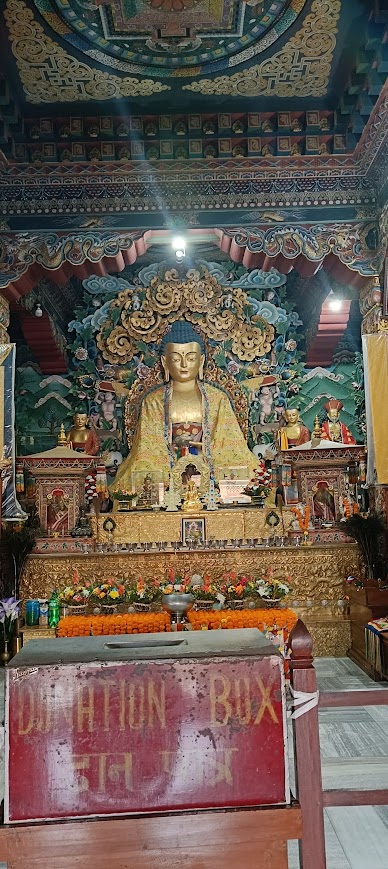
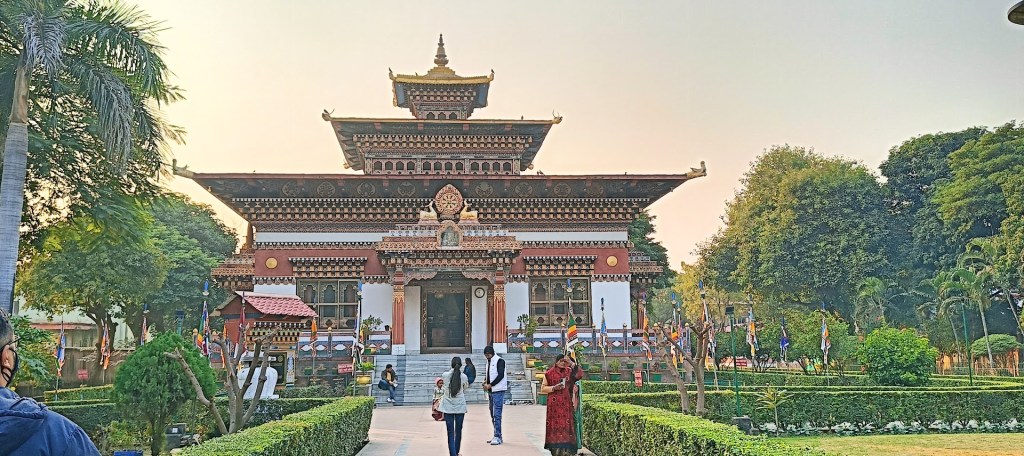


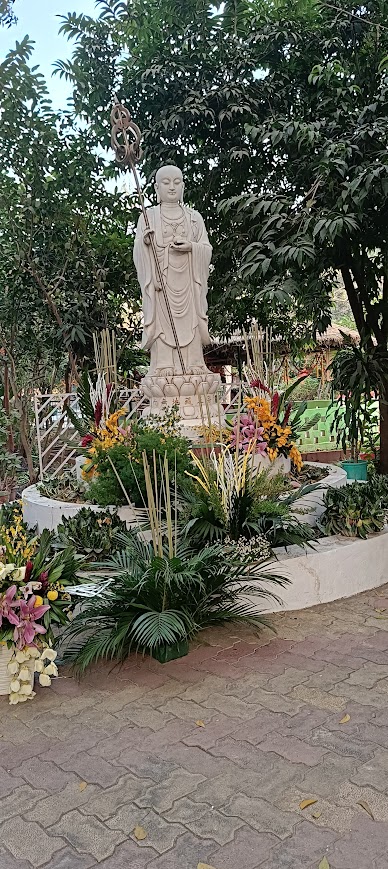
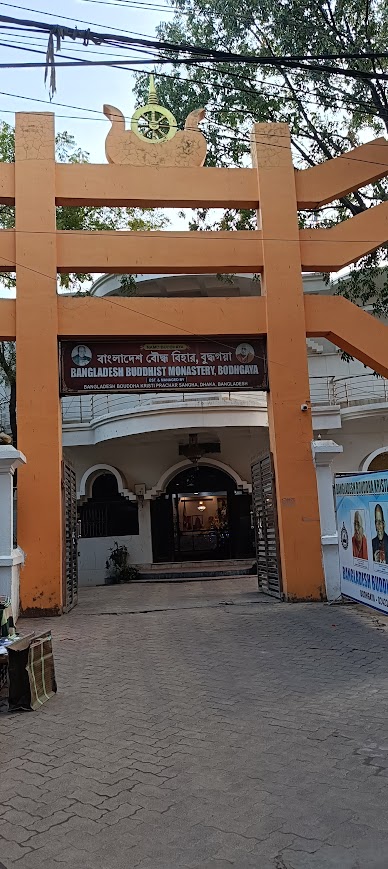
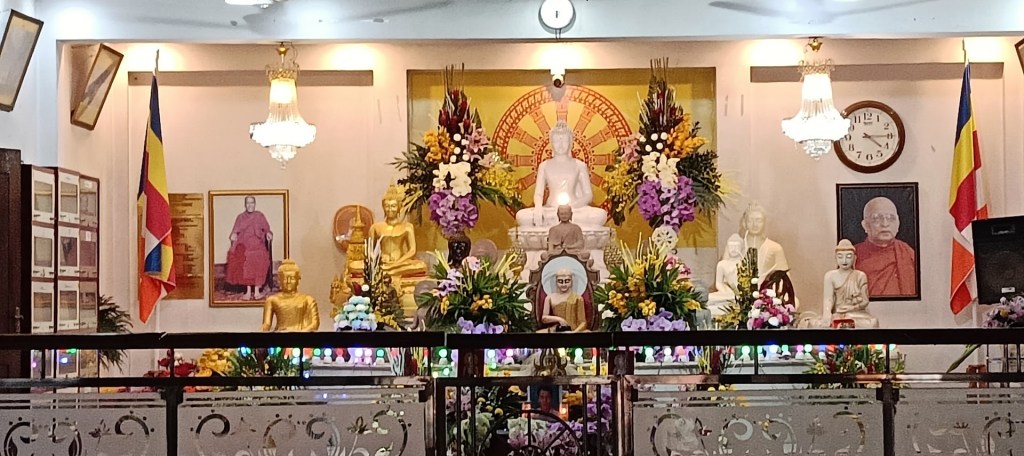
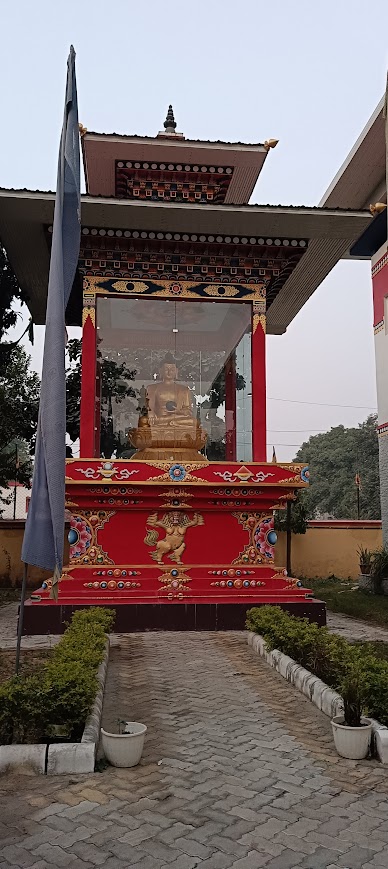
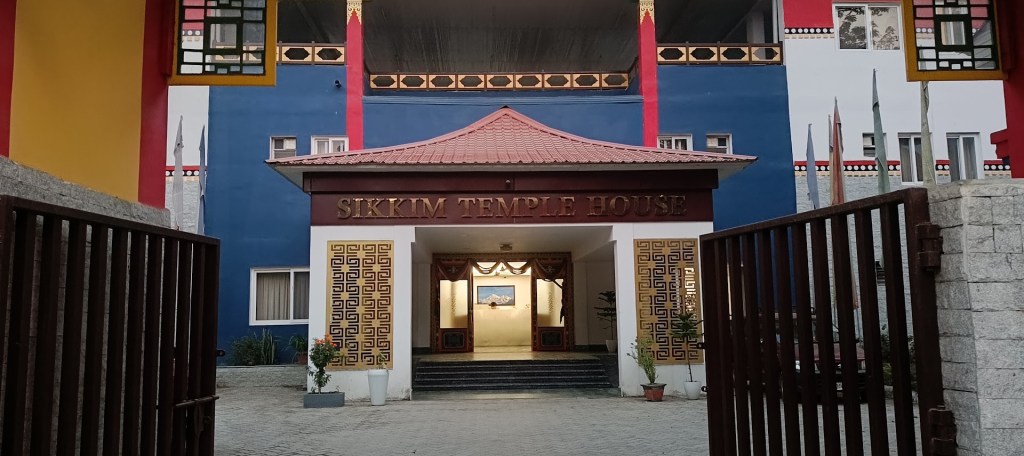
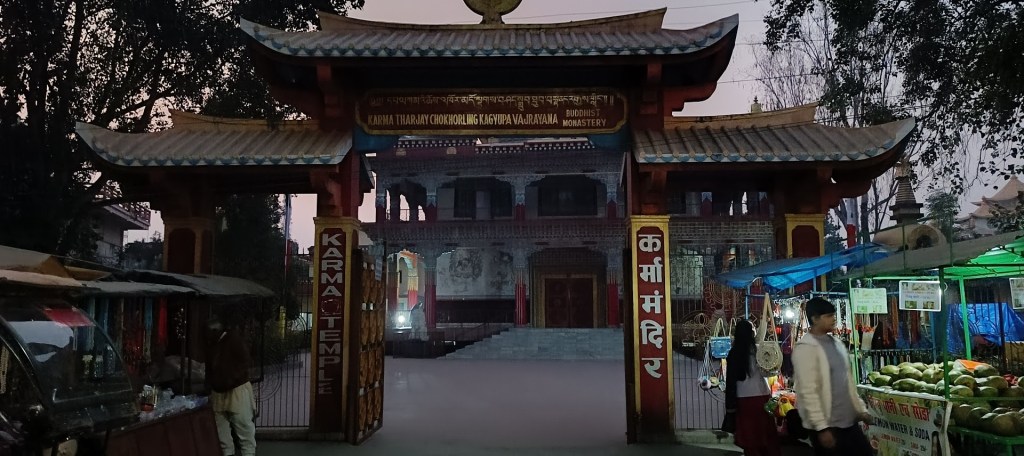
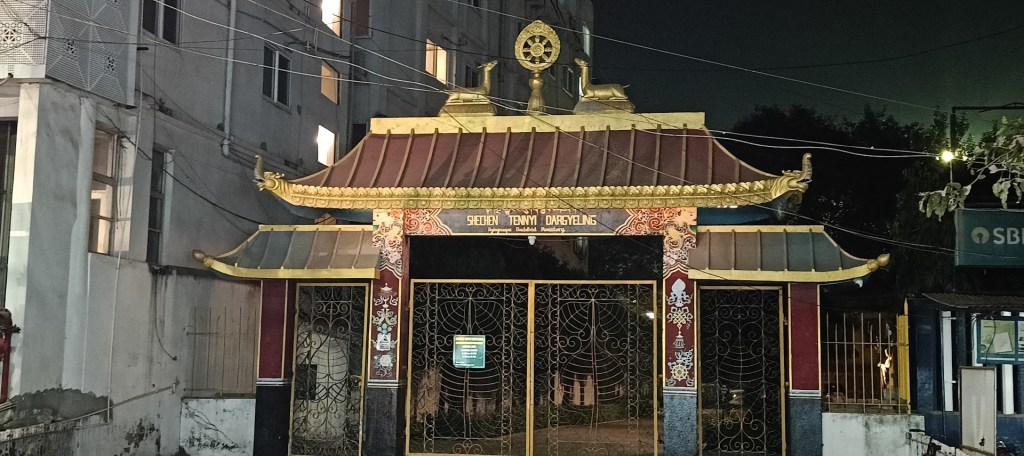
As dusk softened the sky, we reached the heart of the journey—the Mahabodhi Mahavihara Temple. Beneath the sacred Bodhi Tree, where Siddhartha attained enlightenment, silence felt alive, dense with presence rather than absence. A guide spoke of years of meditation, of the serpent-king sheltering the Buddha during a storm, of discipline that shaped awakening. Listening beneath that tree felt like hearing history breathe.

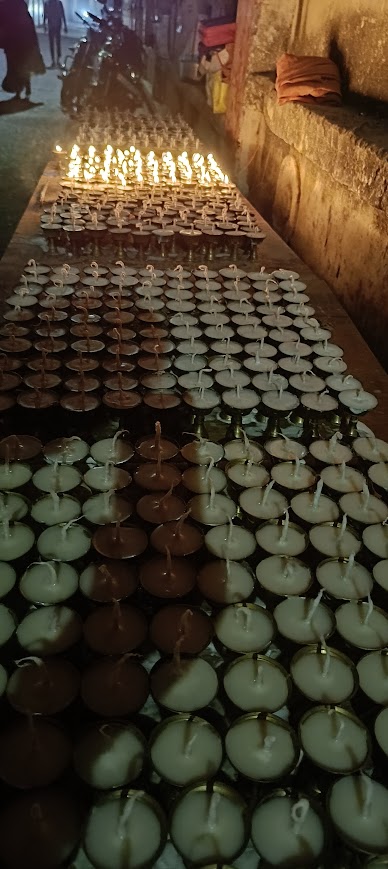
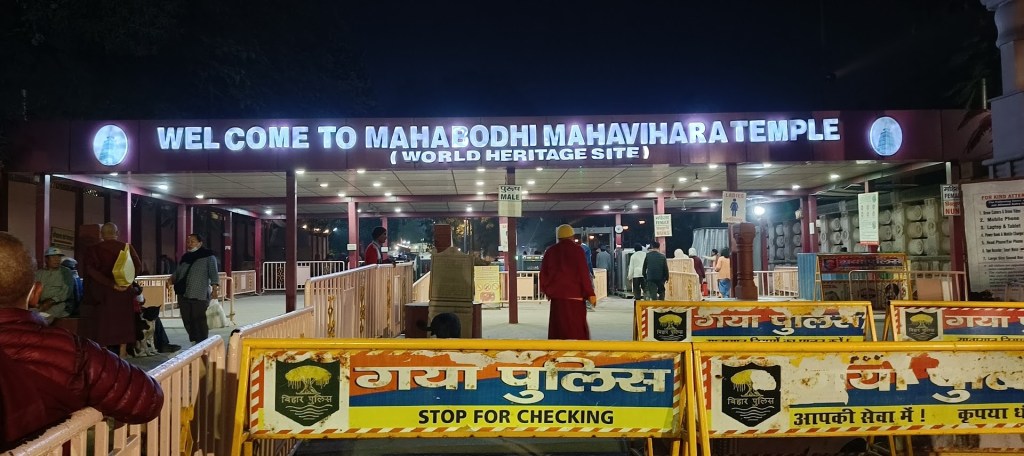
Night finally claimed its due. Fatigue set in, and we returned to the hotel before stepping out once more for dinner. We found a small restaurant serving authentic Thai food—a cuisine new to me. The flavours were unfamiliar, light, aromatic, gently complex. I cannot say I loved every bite, but it felt right—like tasting another culture’s story while living our own.
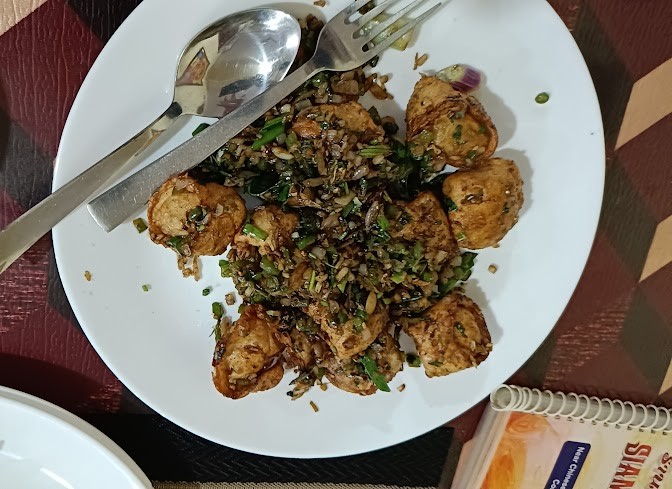

We walked back slowly through calm, cool streets. Tired yet content, we ended the day with gratitude—for resilience, for companionship, and for the quiet grace of a journey that was steadily becoming something far deeper than travel.

This is such a moving account of your journey. I was particularly struck by your description of the Mahabodhi Temple—that sense of ‘silence feeling alive.’ It’s a beautiful reminder that sometimes our most profound experiences come not when we are at our strongest, but when we move gently and allow faith to set the pace. Thank you for sharing this quiet grace with us.
LikeLiked by 2 people
Thank you baba
LikeLiked by 1 person
A truly evocative piece. I love the idea of ‘tasting another culture’s story’ while living your own. It sounds like a transformative day of resilience and peace. Wishing you continued strength and many more moments of gratitude on your travels!
LikeLiked by 3 people
Thank you Nilanjana
LikeLike
Thanks 🙏
LikeLike
A beautiful piece. Wishing you strength and many grateful moments on your travels.
LikeLiked by 3 people
Thank you
LikeLike