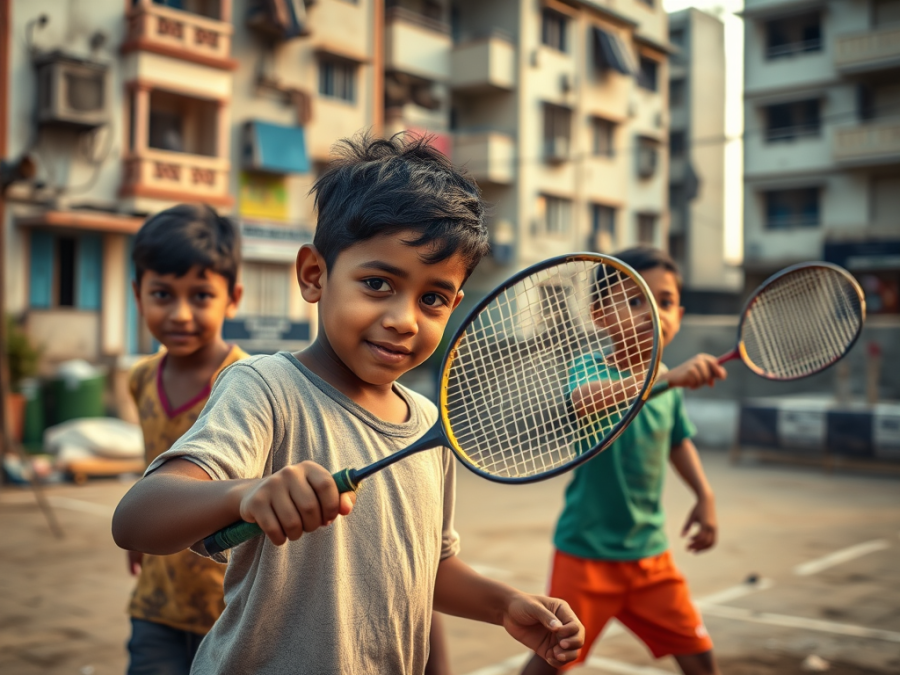
Badminton: From Ancient Courtyards to the Olympic Spotlight

On a peaceful Sunday, watching children play badminton in Ranchi brought back memories of my childhood in India. This piece explores the development of badminton from its ancient origins to the contemporary game. It showcases India's growing prominence in badminton, especially through figures like Prakash Padukone and PV Sindhu. Being both accessible and widespread, badminton promotes a sense of community and perseverance. In the end, badminton represents a cultural story that connects history with today, celebrating the pleasure of playing.

Where Opposites Meet: A Personal Reflection on Philosophical Contradictions

During a WhatsApp chat with former classmates, a philosophical discussion emerged about spirituality and religion. The talk emphasized that genuine faith goes beyond physical places of worship. Hinduism illustrates philosophical diversity by accepting contradictions in harmony. One classmate’s Marxist perspective conflicted with this idea, expressing unease with unresolved contradictions. The insight is that truth often involves accepting contradictions, suggesting that philosophical and spiritual explorations do not have to adhere to strict ideologies but should instead recognize and investigate life's complexities.

15 Years of Indrosphere: A Journey from Darkness to Light

To mark the 15th anniversary of Indrosphere, I pause to reflect on its powerful and deeply personal origins—born in the aftermath of surviving a twin bomb blast in Baghdad. That harrowing day, cloaked in dust and disarray, ignited an enduring need to document, to make sense, and to remember. What began as a solitary act of catharsis has, over time, blossomed into a vibrant mosaic of memories, reflections, and shared experiences—tracing the contours of life, joy, sorrow, culture, food, and heritage. With 680 posts, over 6,000 comments, and hundreds of thousands of readers, Indrosphere stands today not just as a blog, but as a living, breathing archive of a journey—one shaped just as much by its readers as by its authors. This milestone is a heartfelt tribute to you, the readers—acknowledging your presence not merely as observers, but as co-travelers and co-authors in this evolving narrative.

Where the Red Earth Teaches: The Quiet Revolution of Malati Murmu

In the village of Jilingseling, West Bengal, Malati Murmu, a determined woman, has established a school in her humble mud house amidst significant challenges. Despite lacking institutional support and resources, she educates tribal children in their native Santali language, fostering cultural identity and empowerment. Her grassroots efforts have garnered recognition from scholars, highlighting her role in transforming rural education. Malati represents the essence of inclusive learning, advocating for every child's right to education. Let us not forget her. Let us not fail her.

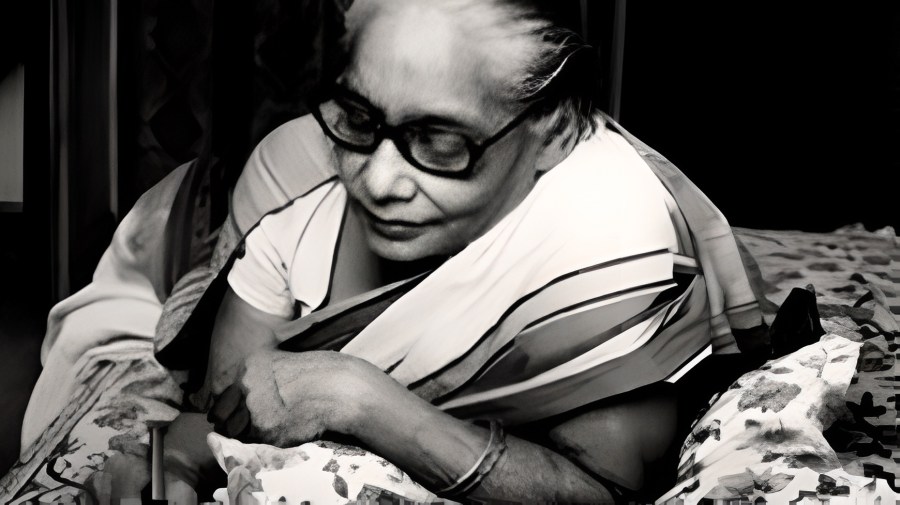
তাসের ঘর : আশাপূর্ণা দেবীর কলমে সাহসী মেয়ের গল্প

আশাপূর্ণা দেবী, বাংলা সাহিত্যের এক অনন্য রত্ন, ১৯০৯ সালে জন্মগ্রহণ করেছিলেন এবং ১৯৯৫ সালে মৃত্যুবরণ করেন। মাত্র ১৩ বছর বয়সে কবিতা লিখে সাহিত্য জগতে প্রবেশ করেন তিনি। "তাসের ঘর" এবং "অনাচার" এর মতো তাঁর গল্পগুলো মানুষের মনস্তত্ত্ব এবং সামাজিক নৈতিকতার গভীর বিশ্লেষণ করেছিল। আশাপূর্ণা দেবী তাঁর লেখনীর মাধ্যমে সমাজকে মানবিকতার শক্তিশালী বার্তা দিয়েছেন। ব্যক্তিগত জীবনেও তিনি ছিলেন উদারমনা এবং অতিথিপরায়ণ, যেমন তাঁর শাশুড়ির জন্য নিরামিষ রান্না থেকে শুরু করে বৌমার পিএইচ.ডি অর্জনের আনন্দে সহকর্মীদের জন্য রেস্তোরাঁয় খাওয়ানো। তাঁর সাহিত্যকর্ম ও জীবনদর্শন আজও অনুপ্রেরণা যুগিয়ে চলেছে। আজ তাঁর মৃত্যু দিবসে, আশাপূর্ণা দেবীকে গভীর শ্রদ্ধা জানাই।

Refreshing Iced Matcha Latte in Erbil’s Heat

On a hot summer evening in Erbil, I sought shelter in a cool café and ordered an Iced Matcha Latte, intrigued by its unique appeal. The drink, made from ground green tea and milk over ice, offered a refreshing and intricate flavour. This beverage, steeped in history, represented a moment of tranquillity in the heat, highlighting the value of enjoying life's simple pleasures and finding peace amid the chaos.

The Coffee Conquest: How Nestlé Brewed a Cultural Revolution in Japan

During the 1970s in Japan, tea was the leading beverage, while coffee struggled to gain acceptance, despite Nestlé's strong marketing efforts. To address this challenge, Nestlé brought on psychoanalyst Clotaire Rapaille, who proposed focusing on children to create a positive link to coffee. The company introduced coffee-flavoured snacks, gradually introducing a generation to the drink. By the 1980s, this approach turned coffee into a cultural mainstay and contributed to Nestlé's success in Japan.

Of Steam, Soul, & Sips: My Journey Through Iraq’s Chai Culture

In Iraq, I discovered that tea is far more than a mere beverage; it's a profound ritual, a sanctuary, and a quiet testament to resilience, much as it is in India. From the timeless charm of Baghdad’s Shabandar Café to the sun-drenched benches near Erbil’s citadel, each sip of tea tells a story. It's a reminder that many of life's deepest lessons, like a perfectly steeped glass, are infused slowly, revealing their wisdom gradually.

From the Ganges to the Nile: Tracing Koshary’s Indian Roots to Erbil’s Culinary Scene

In Erbil, I enjoyed Koshary, Egypt's national dish, blending lentils, rice, pasta, chickpeas, and spicy tomato sauce, with roots tracing back to India's khichri. This iconic vegetarian dish reflects cultural fusion and has become a staple in diverse culinary landscapes. Its affordability, filling nature, and universal appeal make it popular among locals and visitors, symbolizing food's power to connect cultures through shared heritage.

Tracing the Echoes of History: Yazidism & Indian Spirituality

Sibaram Das reflects on his visit to Lalish, the holiest site of the Yazidis in Iraq, exploring the interconnectedness of history, migration, and spirituality. He draws parallels between Yazidism and Hinduism, observing shared rituals and beliefs, such as reverence for sacred elements and the cyclical nature of time. His journey raises questions about the origins of faith and the universality of human experiences, leaving him with thoughts on migration and resilience.