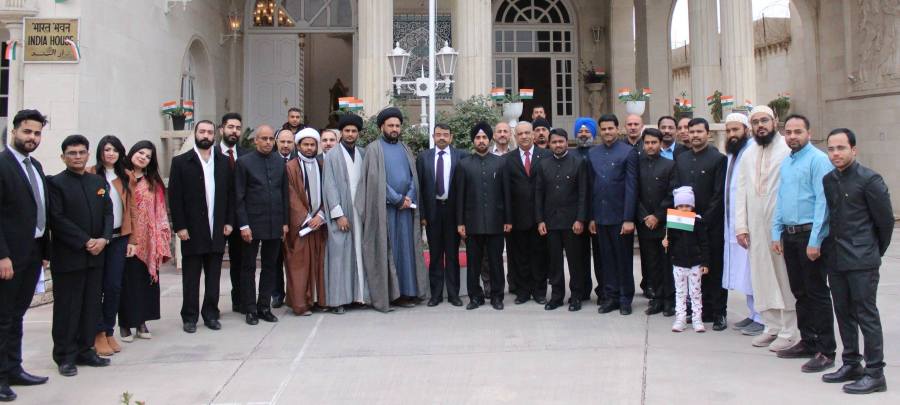
Celebrated Indian Republic Day in Baghdad

India's Republic Day is celebrated on January 26th, commemorating the date when the Indian Constitution came into force. The constitution was adopted by the Indian Constituent Assembly on November 26, 1949, and enacted on January 26th, 1950, marking India's transition to a democratic republic. This special day also symbolizes the rejection of the Dominion status offered by the British Regime in favor of complete independence.

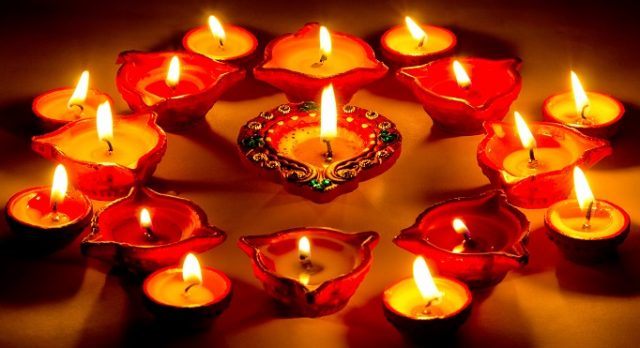
Diwali Then and Now: A Journey Through Light, Memory, & Meaning

I reflect on nostalgic childhood memories of Diwali, contrasting the festival's communal joy and artisan importance with today's commercialization and digital greetings. While modern conveniences alter traditions, the author urges a return to meaningful connections, preserving the festival's intimate spirit through conscious efforts to maintain its richness amidst evolving societal changes.

Mutanabbi street

Al-Mutanabbi Street & College Street: Two Cultural Havens in Baghdad & Kolkata

Al-Mutanabbi Street in Baghdad, renowned as the "Book Market," embodies Iraq's literary spirit and history, dating back to the Abbasid era. It serves as a cultural hub for intellectuals and has shown resilience against adversity, including a tragic bombing in 2007. Similarly, Kolkata's College Street is a vibrant center for book lovers, fostering literary discussions and creativity across borders.

Jamai Shoshthi: Of Love, Feasts, & Life’s Little Twists

Jamai Shoshthi is a cherished Bengali festival celebrating the son-in-law, highlighting familial love and togetherness. Held on the sixth day of the waxing moon in Jyestha, it symbolises respect and gratitude among families, featuring festive feasts centred around traditional dishes like Ilish maach. The festival reflects deep cultural bonds, though personal experiences can bring unexpected challenges. Ultimately, Jamai Shoshthi serves as a reminder of the importance of family and love through both joyous and trying moments.

Manda Festival: Walking on Fire, Walking in Faith

The Manda festival, celebrated in Jharkhand, follows the Sarhul festival, and is a fervent prayer for rain and prosperity. Devotees walk barefoot on hot coals, symbolizing unwavering faith, and seeking divine intervention for a bountiful harvest. As villages congregate to witness this sacred ritual, the festival embodies the enduring belief that Lord Shiva watches over his devotees. In the face of adversity, the festival emerges as a beacon of hope and a testament to the enduring spirit of faith and resilience.

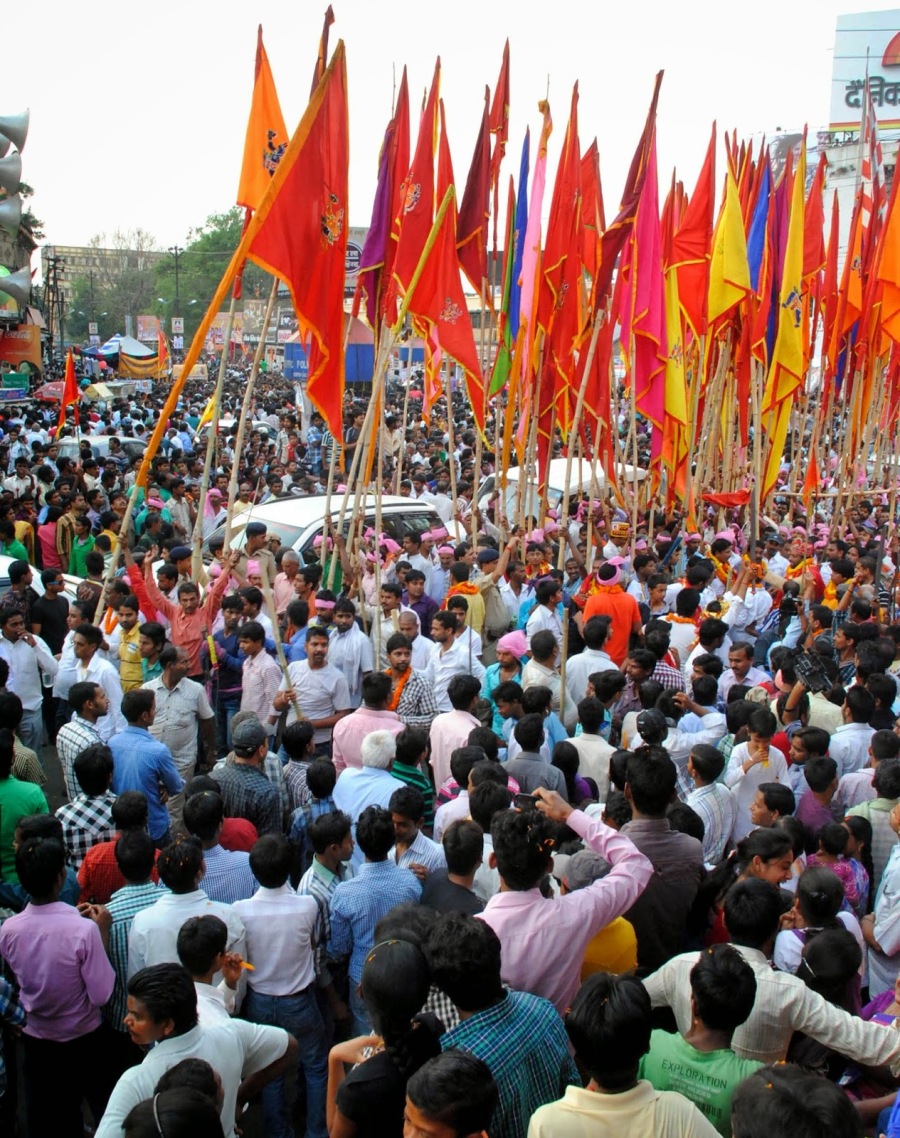
Ram Navami Procession in Ranchi

Ram Navami in Ranchi: When Faith Turns into a River of Devotion

The Ram Navami festival in Ranchi embodies a vibrant communal celebration of Lord Rama's birth, marked by the spirited Ratha Yatra and martial displays from local akharas. The city transforms, adorned with saffron flags and lively hymns, drawing people together across diverse backgrounds. At the heart of festivities is Albert Ekka Chowk, where unity and devotion flourish, culminating in a profound experience that highlights the enduring legacy of faith and righteousness.

The Creation Myths of the Kolarian Tribes: Echoes of Origins from Eastern India

In eastern India, Indigenous Kolarian tribes, particularly the Santhals and Mundas, retain rich cosmogonical myths that reflect their connections to nature and creation. These narratives emphasize resilience and community, highlighting a continuum of existence through rituals, festivals, and oral traditions, preserving their cultural heritage in a modern world.

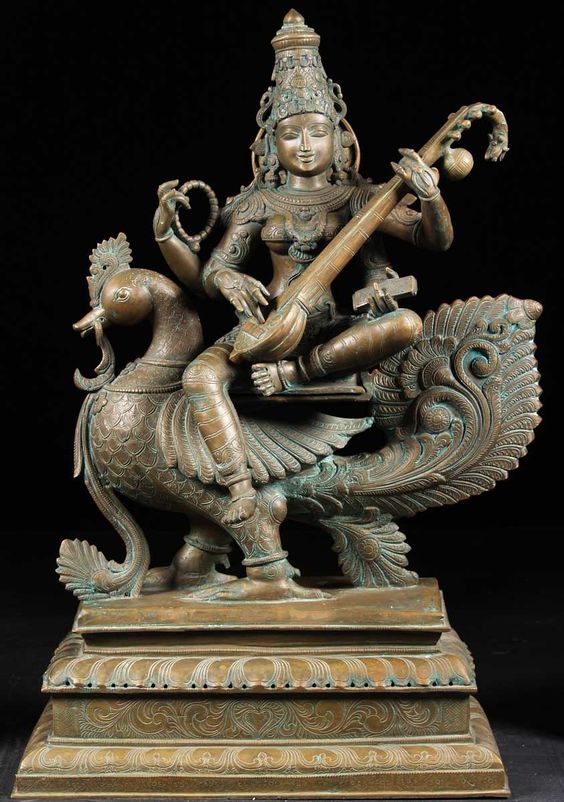
Saraswati: The Goddess of Knowledge & Creativity

Saraswati (also Sarasvati) is the Hindu goddess of learning, wisdom, music, and aesthetics. She is also known as Bharati (eloquence), Shatarupa (existence), Vedamata (‘mother of the Vedas’), Brahmi, Sarada, Vagisvari, and Putkari. Saraswati, the goddess of knowledge and arts, represents the free flow of wisdom and consciousness. Saraswati represents vak or the divine word, but the same inspiration she reflects extends to all Hindu goddesses as arising from chit-shakti, the power of consciousness.