Embracing the Fool in Life: A Bagila bil Dihin Breakfast in Iraq

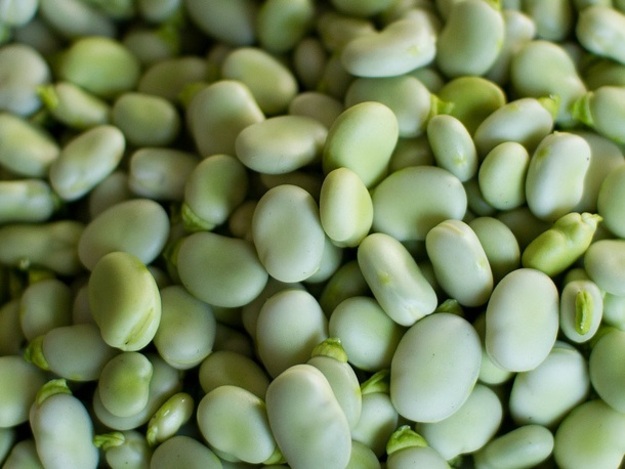
Weekends offer a unique breakfast experience, particularly with the dish called "fool," made from broad beans. Intrigued by a colleague's invitation, I discovered its delicious layers, including flatbread and an omelette. This meal not only satisfied my hunger but provided a delightful cultural journey, highlighting laughter and culinary surprises.

Kleicha – Iraq’s Cookie of Heritage & Heart

Kleicha, a beloved Iraqi treat, is a staple at festive gatherings and holds cultural significance for various Iraqi groups. These traditional cookies, with date-filled and savory variations, have a rich history dating back to ancient Mesopotamia. Baking Kleicha is a communal activity, symbolizing tradition, heritage, and community. Each family adds a unique touch to the recipe, making Kleicha more than just a cookie, but a representation of the warmth and hospitality of Iraqi culture.

Posto: The Bengali Ingredient with a Rich Legacy

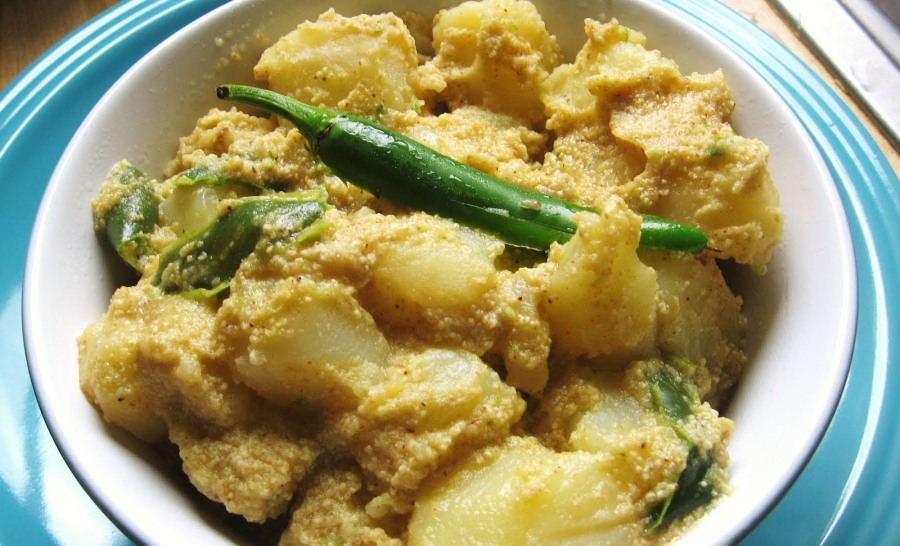
The nostalgia sparked by a friend's murgi posto photo leads to an exploration of poppy seeds' historical significance within Bengali cuisine. Originally valued for medicinal properties, they gained culinary importance amid colonial exploitation. Women creatively transformed discarded seeds into beloved dishes, enriching Bengali kitchens. The journey of posto reflects resilience and cultural legacy, turning hardship into a treasured staple that connects generations and celebrates culinary ingenuity.

Litti Chokha: A Bite of Earth, A Taste of Rebellion

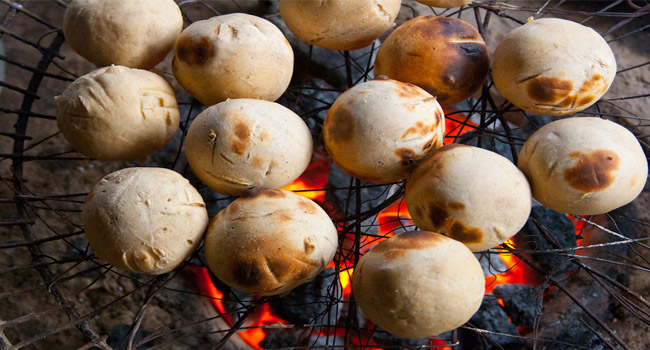
Litti-Chokha, a traditional dish from Bihar and Jharkhand, India, consists of roasted wheat flour dough balls stuffed with a mixture of sattu, herbs, and spices, served with a side dish of mashed vegetables. Also a popular street food, its origins loosely trace back to the Magadha kingdom, with the dish evolving throughout history. Famed for its health benefits, cultural significance, and hearty flavors, Litti-Chokha is beloved by diverse classes and served at numerous occasions.

Spirals of Sweetness: The Story of Amriti & Jalebi

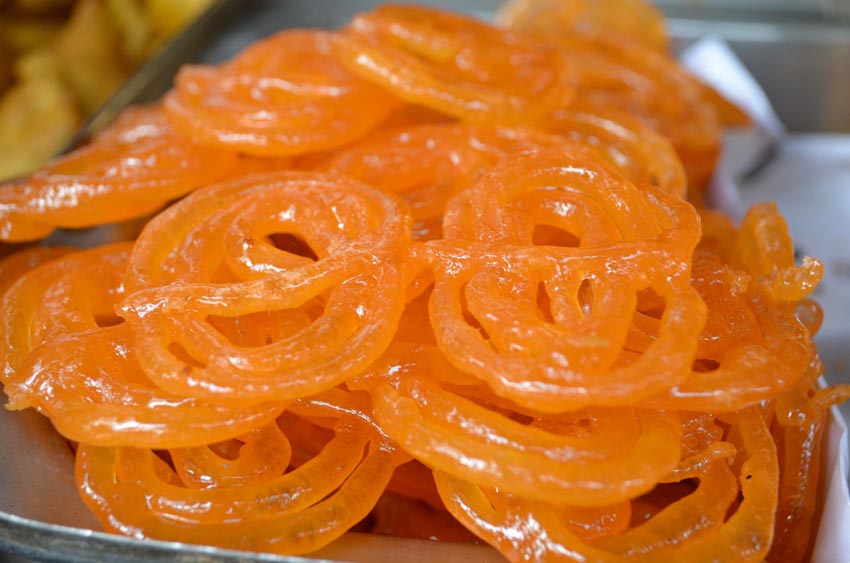
In Indian cuisine, sweets like Amriti and Jalebi represent more than just desserts; they embody traditions, memories, and celebrations. Amriti, primarily associated with Bengal, is a lentil-based delicacy with a nostalgic charm, often appearing during festive occasions. In contrast, Jalebi, with its origins in the Middle East, has become a beloved street food across India, known for its crispiness and sweetness. Together, they showcase India's rich culinary heritage, bridging celebration and everyday life.

Bhaarbhunja: The Timeless Crunch of India’s Culinary Heritage

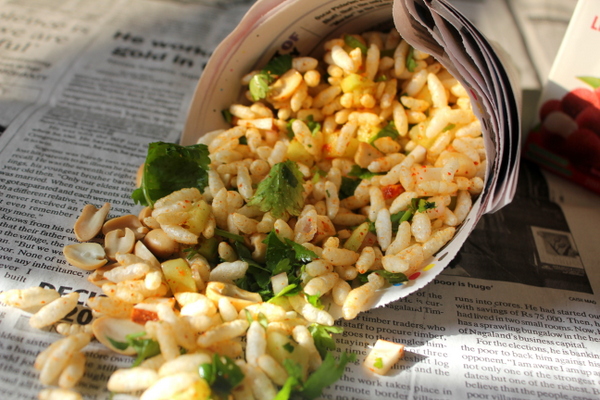
Bhaarbhunja is a traditional Indian snack made from roasted grains, chickpeas, and groundnuts, created with patience and skill. Its simplicity carries profound nostalgia and cultural significance. The preparation in hot sand infuses unique flavors, and personal variations enrich its story. Bhaarbhunja is more than sustenance; it evokes memories of home, serving as a comforting companion in challenging times, and remains a cherished part of everyday life across India.

Slurping Summer Bliss: The Timeless Joy of Gola Chuski

Gola Chuski, or shaved ice, is a popular dessert in India, typically sold by street vendors during hot months. Made by crushing ice and flavoring it with various syrups such as strawberry, mango, or kala khatta, the dessert is a refreshing, low-calorie treat and a healthy alternative to other sugary sweets. Consuming Gola Chuski, a mix of sweet, salty, and chilly delight, is a social experience that brings people together.