Peter Pandian: The Collector Who Walked Barefoot into the Heart of Madurai

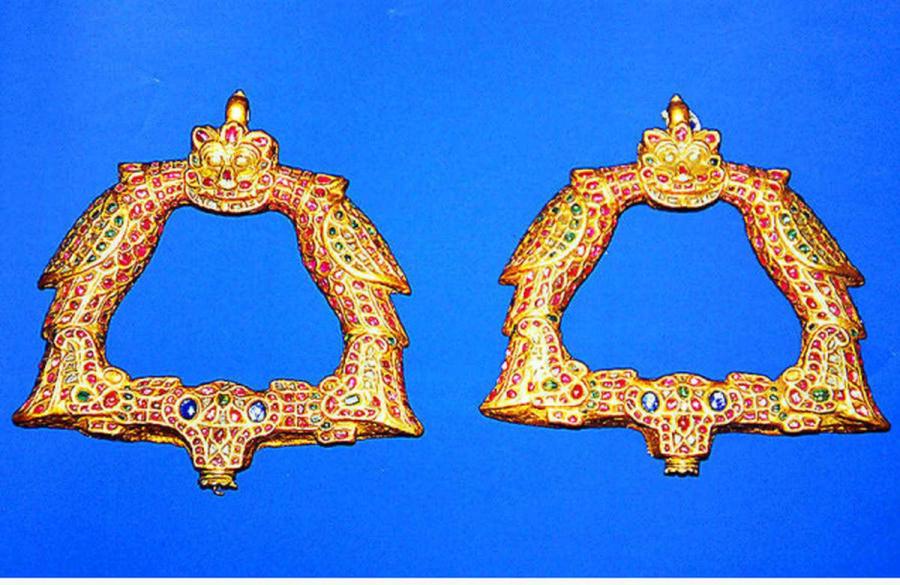
The vibrant streets of Madurai hold a tale of Rous Peter, the devoted Collector of the temple town in 1812. Despite being Christian, he respected the Hindu traditions of the land. A divine encounter with Goddess Meenakshi saved him from disaster, leading him to commission golden stirrups as a gift. Even in death, Peter's devotion endured, as he was laid to rest facing the Meenakshi Temple. Now, during the Chaitra Festival, the goddess is adorned with the sacred Paadhukams, symbolizing the enduring bond between man and the divine.
Rashbehari Ghosh: The Forgotten Flame of Bengal’s Renaissance

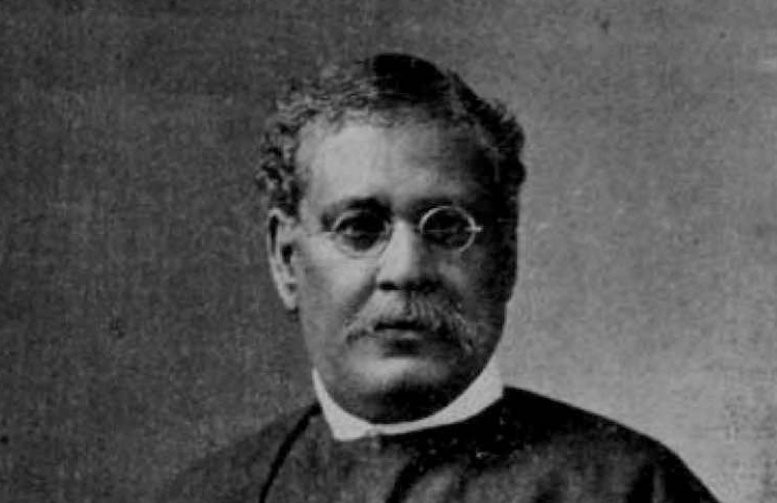
Rashbehari Ghosh, a prominent Bengali advocate and philanthropist, defied English authority and excelled in the field of law. He opposed the partition of Bengal, supported the Swadeshi movement, and championed technical education, leaving a lasting impact on Indian society. He established educational institutions and supported scientific endeavors. His legacy as a nationalist and freedom fighter endures through institutions like Jadavpur University.

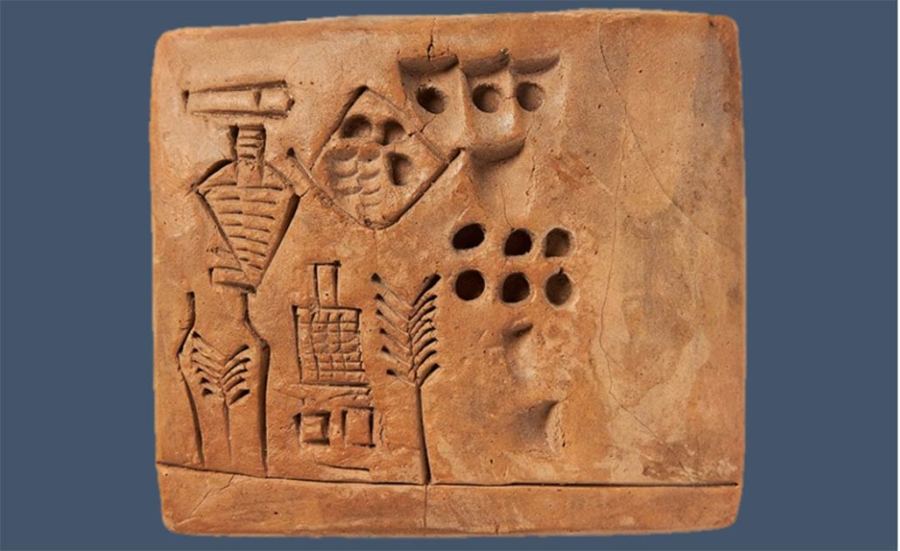
Kushim: The Accountant Who Started History

The first person in recorded history, known through ancient writings, is Kushim, an accountant from Mesopotamia. His name, etched on a clay tablet dating back to 3200 BCE, reflects a significant yet humble role in documenting economic transactions and the emergence of writing. This discovery highlights the vital contribution of ordinary individuals to civilization, reminding us that history is shaped by both extraordinary figures and everyday people like Kushim.

Lahiri Diwas: A Rebirth in the Shadows of Gonda Jail

Lahiri Diwas is an annual commemoration in Gonda jail, Uttar Pradesh, honouring the fearless revolutionary Rajendranath Lahiri, known for his major role in India's independence movement and execution on December 17, 1927. Lahiri, born in 1901 in Bengal, demonstrated exceptional courage, breaking societal norms and conducting revolutionary activities, including the notorious Kakori train robbery. Despite his death sentence, he expressed undying resilience and belief in a liberated India. Today, this event celebrates his sacrifice, featuring cultural festivities and reinforcement of his enduring belief.

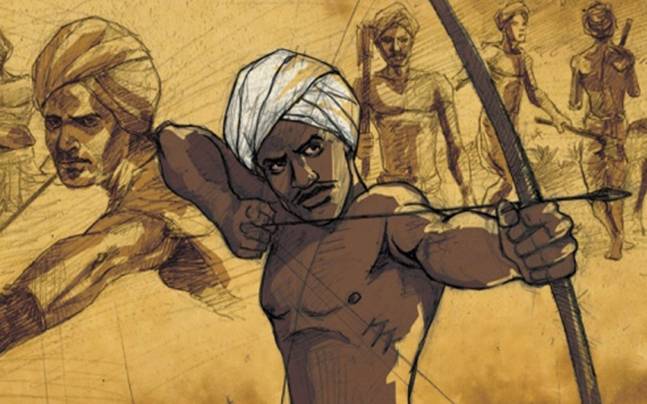
Birsa Munda: A Symbol of Tribal Resistance

Birsa Munda, an iconic figure in tribal resistance, spearheaded a rebellion against British colonial rule in late 19th-century India. Born in 1875, he mobilized tribal communities in resistance to British oppression, campaigned for social reform, and sought to establish self-governance rooted in tribal customs. Despite his relatively short life, his legacy continues to inspire tribal rights and autonomy movements internationally. Today, his contributions to India's tribal movements are recognized, and his birth anniversary is commemorated as 'Janjatiya Gaurav Divas’ (Tribal Pride Day).

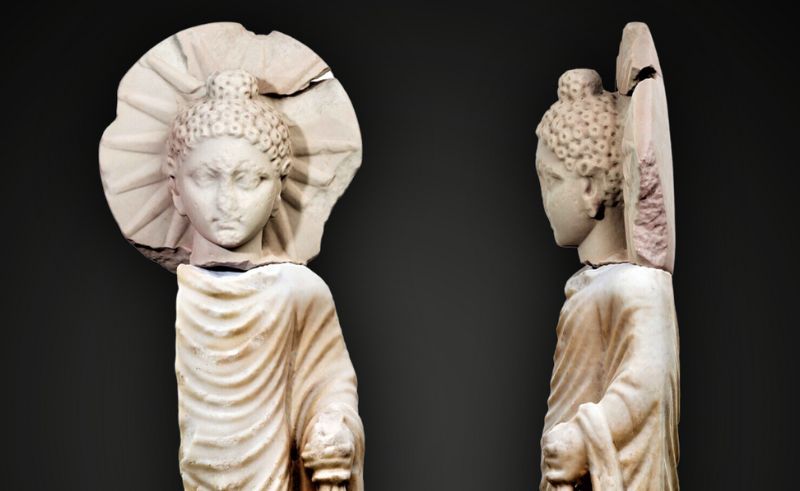
Buddha’s Influence in Ancient Egypt: The Berenice Discovery

In ancient Egypt, the city of Berenice pivoted as a vibrant hub for diverse cultural exchange along the Silk Road. Archaeologists recently discovered a statue of Buddha from Roman Egypt in the Goddess Isis’ temple at Berenice, highlighting commercial and cultural ties with India. The city, a melting pot of Greek, Roman, and Egyptian civilizations, grappled with Buddhist philosophy along with goods transported from India, creating a unique blend of spirituality and culture before fading into obscurity.

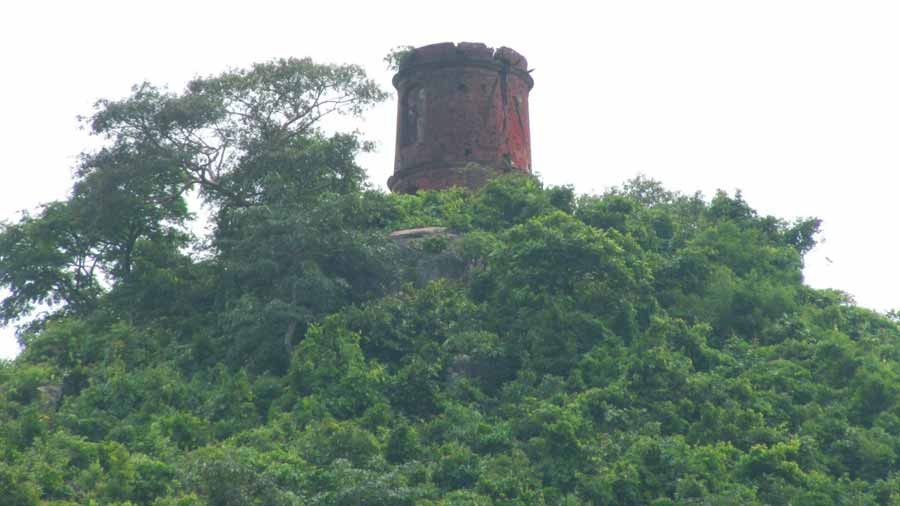
Silent Sentinels of Semaphore: Forgotten Towers of East India

Long before telegraph wires crisscrossed India, messages once leapt across the sky — tower to tower — through an ingenious system of wooden arms and coded light. Scattered across Bengal, Bihar, and Jharkhand, the forgotten semaphore towers tell a fascinating story of early communication, colonial ingenuity, and human ambition to bridge distance through vision and precision.

Mushussu: The Serpent-Dragon of Babylon

Four years ago, in the National Museum of Iraq, I encountered the mythic creature Mushussu, a hybrid of serpent, lion, and eagle in Mesopotamian mythology. Its name, stemming from Akkadian, connects to divine power and protection associated with Marduk, Babylon's chief god. Mushussu embodied attributes of vitality and guardianship, prominently featured on the Ishtar Gate. Today, its legacy persists in museums and digital platforms, bridging ancient mythology with modern cultural imagination.

The Oldest Customer Complaint: Lessons from Ancient Business

The oldest customer complaint known was discovered on a clay tablet from 1750 BCE, found in the ancient city of Ur, current southern Iraq. The complaint was made by a man named Nanni to the merchant Ea-nasir, about the poor-quality copper bought. Nanni also claimed he was mistreated and mentioned fraudulent practices by Ea-nasir. This tablet, housed currently in the British Museum, offers insight into customer service expectations and the importance of good business practices in ancient times.