A Journey Through Time: Uncovering the Soul of Chandraketugarh

Chandraketugarh, an ancient archaeological site in West Bengal, was once a bustling trade hub dating back to the 3rd century BCE. Named after King Chandraketu, the city flourished till the 12th century CE. Boasting artifacts and structures from various civilizations, it showcases a blend of indigenous Indian culture and influences from Greece, Persia, and Southeast Asia. Chandraketugarh, also possibly the ancient capital of Vanga and the kingdom of Gangaridai, remains a mystery due to inadequate research and awareness. The West Bengal state government established a museum in 2017 to protect its artifacts.

Ziggurats: Bridging Heaven & Earth in Ancient Mesopotamia

The Great Ziggurat of Ur, located in present-day Iraq, is a well-preserved relic of Mesopotamian civilization. Built around 2100 BCE, it honored the moon god Nanna and served as an administrative and religious center. The ziggurat's terraced levels and grand staircase show celestial significance, and it was later partly restored. Rediscovered in 1850, it is now a UNESCO World Heritage Site and an important symbol of Iraq's ancient heritage.

Shaduppum: Forgotten City That Whispered Civilization

The ancient city of Shaduppum, now modern-day Tell Harmal in Iraq, was a significant center during the Bronze Age and Early Iron Age. Known for its rich history, intricate urban layout, and its importance in bureaucracy, commerce, and culture, Shaduppum hosted numerous temples and was a hub for Babylonia's treasury and accounting. Its most notable discoveries include clay tablets inscribed with laws, mathematical equations, and remarkable texts such as The Epic of Gilgamesh, all of which provide valuable insights into the Mesopotamian civilization.

From Clay to Creation: Ninmakh’s Enduring Presence in Babylon

Among Babylon’s broken bricks and drifting sands, Ninmakh still lingers. Mother of gods and humans, she shaped life from clay and water, blessing birth, healing wounds, and anchoring civilisation itself. Her temple rose again and again, each layer preserving memory. Today, amid ruins and silence, her story whispers of creation, loss, and the enduring feminine sacred within the ancient heart of Mesopotamia forever.

Baghdad: The Eternal City Amidst Time’s Trials

Baghdad, established in 762 CE by the Abbasid Caliph Al-Mansur, has a rich history marked by its role as a center for culture and intellect during the Islamic Golden Age, particularly under Caliph Harun al-Rashid. Despite facing devastation from the Mongol invasion in 1258, which ended the Abbasid Caliphate, Baghdad has sustained its historical significance. My 13 years living there revealed a resilient city blending modern challenges with its profound past, embodying the enduring human spirit.

Stepping Back in Time: Lost in the Labyrinth of Erbil Citadel

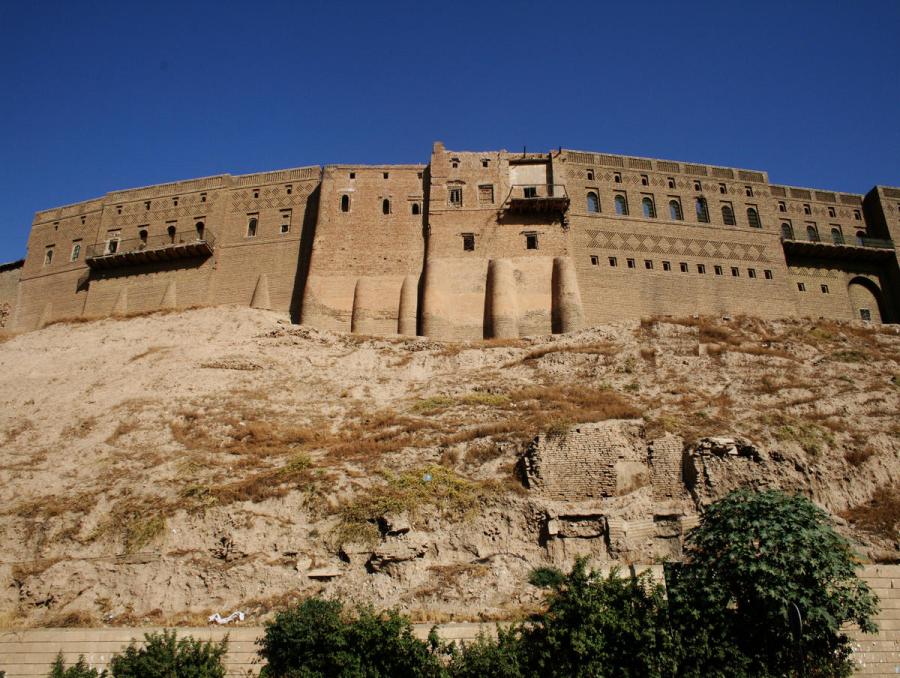
Settled more than 6,000 years ago, Erbil Citadel is thought to be one of the longest continuously inhabited sites in the world. The Citadel, which rises some 30 meters above the plain, is surrounded by a lower town that developed in the modern city of Erbil. The Erbil Citadel, locally called Qelat, is a tell or occupied mound, and the historical city centre of Erbil. Over the millennia, the Erbil Citadel has taken shape, each generation building new structures on top of those of the previous generation.

Budaun: A City Steeped in Historical Legacy & Mysticism

Budaun, a historically rich yet often overlooked district in India, served briefly as a capital during the Delhi Sultanate. Its heritage includes significant Sufi connections and Mughal ties, evidenced by landmarks like the Jama Masjid and the mausoleum of Parwar Khanum. The city reflects cultural diversity, marked by community festivals and historical events. Budaun preserves its legacy, reminding us that its past is alive in today's experiences and stories.

A Spiritual Journey at Mukteshvara Temple, Odisha

Odisha, an Eastern state of India, is a land of breathtaking landscapes and magnificent temples. A recent spiritual journey led to the iconic Sun Temple at Konark, revered Jagannath Temple at Puri, and ancient Mukteshvara Mandir in Bhubaneswar. The Mukteshvara Temple, a regal sandstone monument, reflects architectural brilliance. It is a symbol of spiritual and cultural fusion and hosts the vibrant Mukteshwara Utsav, making it a must-visit destination in Bhubaneswar.

Exploring Udayagiri & Khandagiri Caves: A Journey Through Ancient India

The Udayagiri Khandagiri Caves of Odisha, dating to the 2nd century BC, are a complex of 33 caves carved from sandstone hills by Jain monks. Known for intricate carvings, these caves were historical dwelling places, meditation chambers, and religious centers. The premises bear an entry charge, housing several remarkable features like inscriptions, rock-cut sculptures, and Jain structures. They offer a deep dive into an ancient era, with the caves' creations reminiscent of famous structures like Ajanta and Ellora.

Itkhori: Where Faiths Converge & Time Stands Still

Itkhori in Chatra district of Jharkhand state of India is situated at around 150 km from Ranchi, the capital of Jharkhand, at the confluence of two rivers named ‘Mahane' and 'Baksa'. Bhadrakali temple complex is a symbol of religious tolerance for centuries. It is a wonderful place with abundance of historic reminiscences and archaeological remnants demonstrating a breath-taking saga of religious tolerance and cultural unity.