The Warka Vase: A Story in Stone

The Warka Vase, an artifact from 3200 BCE discovered in modern-day Iraq, is revered for its intricate carvings depicting ancient Sumerian mythology. Crafted as a tribute to the goddess Inanna, the vase was found in the temple complex of Uruk, showing the civilization's beliefs and culture. The vase was stolen in 2003, amidst the American invasion, but returned following an amnesty program.

The House of Heaven: Inanna’s Temple & the Architecture of Divine Power

Inanna, a prominent Mesopotamian goddess, symbolized love, fertility, and war, governing both divine and earthly realms. Her myths illustrate themes of death and rebirth, showcasing her significance in agriculture. Temples dedicated to her served as spiritual and economic centers, influencing later cultures as Ishtar. Her worship declined with the rise of monotheism.

The Legacy of Al-Mustansiriya Madrasa: Education Through Adversity

Al-Mustansiriya Madrasa, founded in 1227 in Baghdad, is a renowned Islamic institution of learning, offering a diverse curriculum. Its stunning architecture reflects Baghdad's historical significance in Islamic art. Despite facing invasions and repurposing, the madrasa has maintained its cultural and educational importance, symbolizing Iraq's resilience and intellectual tradition.

The Winged Genie of Assyria: A Glimpse into the Mystical Guardians of Mesopotamia

The Winged Genie of Assyria, dating back to the 9th century BCE, is an ancient art sculpture symbolizing protection and fertility, often used in Assyrian religious practices. Displayed prominently in royal palaces, the Winged Genie was considered a benevolent spirit that could bring fortune and protection. The Genie was also part of a stone relief in King Sargon II's palace symbolizing purification and fertility. Today, the Winged Genie remains a significant representation of ancient Assyrian art.

Rakhigarhi’s Intimate Burial: A Glimpse into Ancient Relationships

Archaeologists in Haryana, India, have discovered the remains of a young couple buried in an embrace dating back 4,500 years. The find offers insights into ancient relationships and ceremonies, and challenges our understanding of love and marriage in the Harappan Civilization. It suggests a deep appreciation for romantic bonds, raising questions about the origins of marital love. The discovery offers a poignant reminder of the enduring human experience of love and loss.

A Journey Back in Time: Discovering the Majesty of Aguada Fort & Lighthouse

The Aguada Fort and Lighthouse in Goa is a 17th-century Portuguese fort with rich historical significance. Built to protect against Dutch and Maratha invasions, it's also a notable site due to its four-story lighthouse, the oldest in Asia. Visiting this location provides insights into the region's past, stunning views, and opportunities for exploration. It's highly recommended for anyone traveling to Goa.

Ajanta Caves: Masterpieces of Ancient Indian Art

During a pilgrimage to Shirdi with my mother, we took a detour to the Ajanta Caves, rather than Ellora, due to the rains. The stunning rock-cut caves, dating back to the second century BCE, showcased viharas, stupas, and prayer halls with exquisite paintings and sculptures. These ancient marvels, depicting Buddhist traditions and narratives, offered a glimpse into the rich cultural legacy of ancient India, reflecting exquisite craftsmanship and vibrant artistry.

The National Museum of Iraq: A Journey Through Time

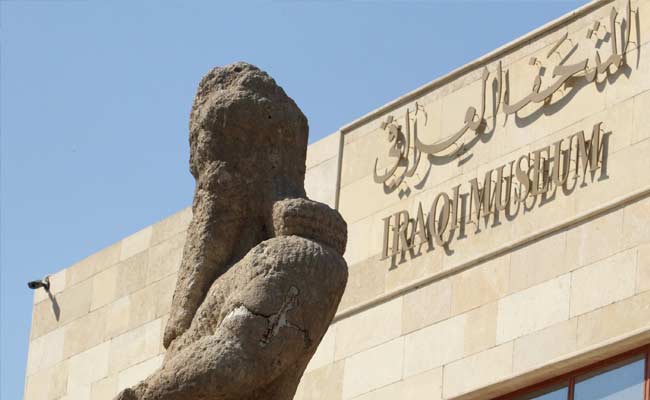
As Nowruz approached, friends and I explored the National Museum of Iraq in Baghdad, a vital custodian of Mesopotamian history. Despite the tragic looting in 2003, the museum houses a rich collection, including the Lady of Warka and artifacts from diverse ancient cultures. Its resilience serves as a beacon of hope and connection to Iraq’s past, urging visitors to appreciate and support its heritage.

The Bakhshali manuscript

Discovering the Bakhshali Manuscript: Ancient India’s Mathematical Genius

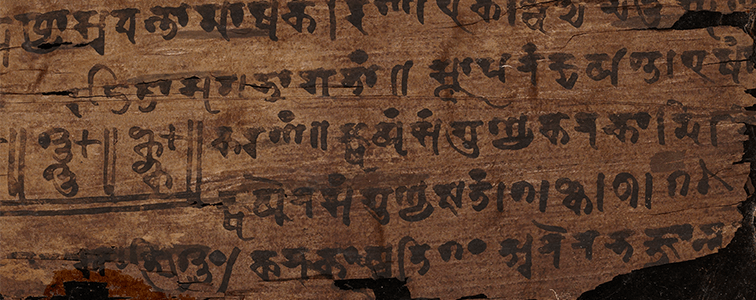
The Bakhshali Manuscript, discovered in 1881 in Pakistan, dates back to the 3rd or 4th century CE, showcasing advanced ancient Indian mathematics. It introduced the decimal place value system and zero as a placeholder, revolutionizing math. The manuscript highlights ancient India's scientific and philosophical traditions, influencing global scholarship and mathematical practices.