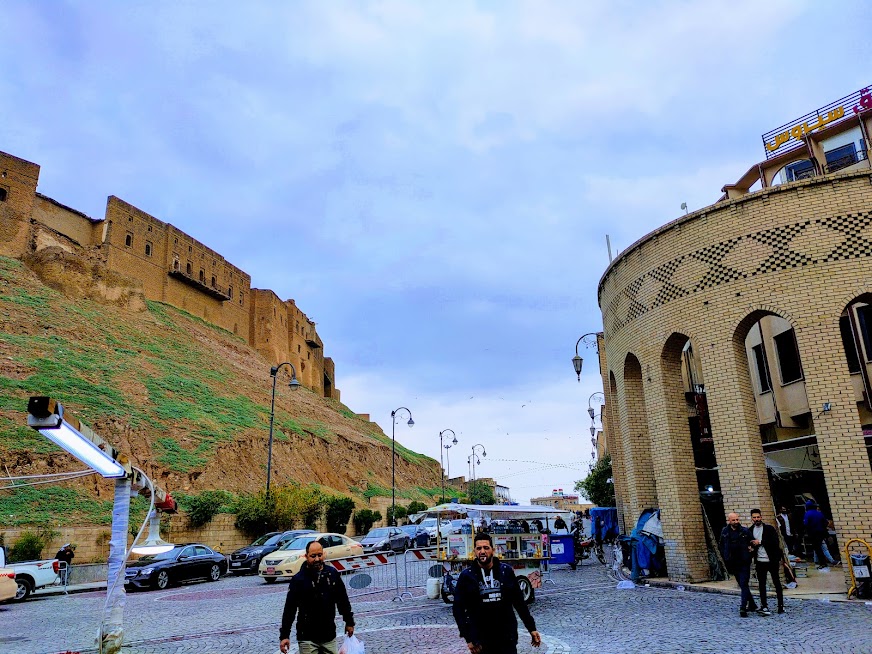
Qaysari Bazaar: Where Tradition Meets Modernity in Erbil

The Old Souq or Qaysari Bazaar, in Iraq's Erbil, is a historic marketplace dating back to the 8th century. As one of the world's oldest inhabited areas, it reflects a rich cultural mixture from various civilizations. Renowned for its vibrant atmosphere and diverse offerings, the Souq features a blend of traditional and modern commerce. Its enticing architecture, array of shops, friendly locals, and culinary delights make it an immersive experience that transcends shopping, offering visitors a journey through time and the cultural tapestry of Kurdish heritage.

Betla National Park: Exploring the Wild Beauty

Embarked on a three-day excursion with the family to Betla National Park in Jharkhand, India. As a component of Project Tiger, this park provides opportunities for observing wildlife, enjoying tranquil natural landscapes, and exploring the historical Palamu Fort. Noteworthy aspects of the trip encompass savoring local cuisine, participating in jeep safaris, encountering diverse animals, and visiting picturesque waterfalls in the vicinity. The overall experience underscores Betla's appeal to nature and wildlife enthusiasts due to its abundant flora, wildlife, cultural heritage, and a range of adventurous activities.

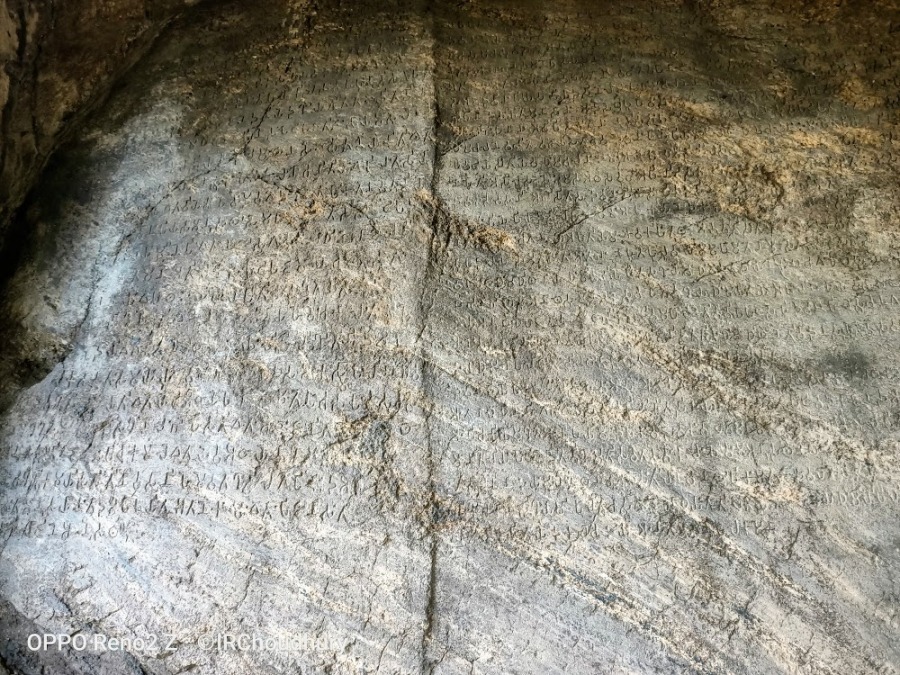
Rock edicts of Emperor Ashoka

Emperor Ashoka’s Legacy: Edicts of Compassion & Governance

India's rich history and vibrant culture are encapsulated in the legacy of Emperor Ashoka, particularly through the Rock Edicts found near the Dhauli Stupa in Odisha. These inscriptions, written in ancient scripts, highlight Ashoka's transformative journey from a conqueror to a proponent of peace and compassion, advocating for religious tolerance and ethical governance. His teachings remain relevant today, offering timeless lessons of empathy and understanding against modern conflicts.

Tinchuley, Peshok, & Lamahatta: A Journey Through Natural Beauty

The journey through Tinchuley and Lamahatta in North Bengal was an extraordinary experience. Tinchuley, renowned for its tea gardens and stunning views, showcased its involvement with the World Wildlife Federation. Peshok Tea Estate and the Lovers Meet Viewpoint provided breathtaking scenery and historical significance, while Lamahatta offered a serene haven for nature enthusiasts.

Takdah: Where the Mist Sings, the Hills Breathe, & Time Slows Its Pace

Takdah unfolded before us like a whispered secret—mist-draped hills, colonial bungalows, and a warmth that felt like home. At Rose Villa Heritage Homestay, the Lama family’s kindness wrapped around us as gently as the mountain fog. Our days flowed with quiet walks, fragrant tea, and stories etched into timeless landscapes. Takdah didn’t just soothe us—it changed us.

Discovering Tranquility: A Day at Getalsud Dam

The author recounts a pleasant trip with his wife to Getalsud Dam, Ranchi, located 35km away from their home. The Dam, established in 1971 on the Subarnarekha River, offers a picturesque view of its expansive water reservoir and surrounding hills. It not only serves as Ranchi's drinking water source, but also for industrial uses and electricity generation. The couple enjoyed the tranquil environment and took photographs against the shimmering water reservoir. The author recommends Getalsud Dam for nature lovers seeking a serene getaway.

Between Stones & Stars: A Journey to Pakri Barwadih’s Megalithic Marvels

The Pakri Barwadih megalithic site in Jharkhand, India, reveals the advanced astronomical knowledge of ancient civilizations. Dating back over 3,000 years, these monumental stones were used as observatories and calendars, marking seasonal festivals. Despite its significance, the site faces threats from urbanization and neglect. Preservation efforts are crucial to maintain this cultural heritage, which offers insights into human history and wisdom. Protecting Pakri Barwadih ensures future generations can appreciate this archaeological treasure.

Echoes in Stone: A Journey to the Isko Caves of Jharkhand

The Isko Caves in Jharkhand, India, are a significant archeological site and a testament to the country's prehistoric art and culture. Situated in a forest, the caves contain rock paintings from the Meso-Chalcolithic period (9000-5000 BCE). Local tribes, upholding the tradition of rock painting, connect the present day to the past via rituals performed at these caves. These caves, discovered in 1991, require proper maintenance and protection to conserve this important heritage site.