তাসের ঘর : আশাপূর্ণা দেবীর কলমে সাহসী মেয়ের গল্প

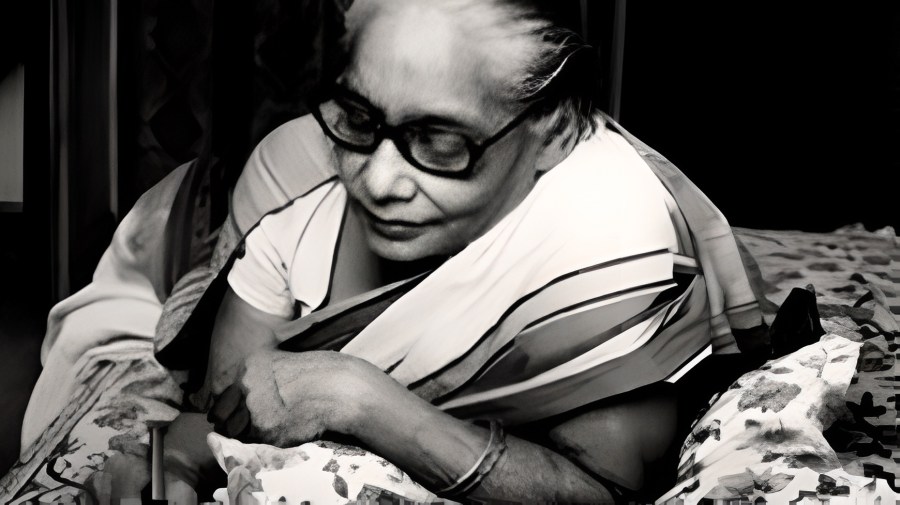
আশাপূর্ণা দেবী, বাংলা সাহিত্যের এক অনন্য রত্ন, ১৯০৯ সালে জন্মগ্রহণ করেছিলেন এবং ১৯৯৫ সালে মৃত্যুবরণ করেন। মাত্র ১৩ বছর বয়সে কবিতা লিখে সাহিত্য জগতে প্রবেশ করেন তিনি। "তাসের ঘর" এবং "অনাচার" এর মতো তাঁর গল্পগুলো মানুষের মনস্তত্ত্ব এবং সামাজিক নৈতিকতার গভীর বিশ্লেষণ করেছিল। আশাপূর্ণা দেবী তাঁর লেখনীর মাধ্যমে সমাজকে মানবিকতার শক্তিশালী বার্তা দিয়েছেন। ব্যক্তিগত জীবনেও তিনি ছিলেন উদারমনা এবং অতিথিপরায়ণ, যেমন তাঁর শাশুড়ির জন্য নিরামিষ রান্না থেকে শুরু করে বৌমার পিএইচ.ডি অর্জনের আনন্দে সহকর্মীদের জন্য রেস্তোরাঁয় খাওয়ানো। তাঁর সাহিত্যকর্ম ও জীবনদর্শন আজও অনুপ্রেরণা যুগিয়ে চলেছে। আজ তাঁর মৃত্যু দিবসে, আশাপূর্ণা দেবীকে গভীর শ্রদ্ধা জানাই।
Refreshing Iced Matcha Latte in Erbil’s Heat

On a hot summer evening in Erbil, I sought shelter in a cool café and ordered an Iced Matcha Latte, intrigued by its unique appeal. The drink, made from ground green tea and milk over ice, offered a refreshing and intricate flavour. This beverage, steeped in history, represented a moment of tranquillity in the heat, highlighting the value of enjoying life's simple pleasures and finding peace amid the chaos.

The Coffee Conquest: How Nestlé Brewed a Cultural Revolution in Japan

During the 1970s in Japan, tea was the leading beverage, while coffee struggled to gain acceptance, despite Nestlé's strong marketing efforts. To address this challenge, Nestlé brought on psychoanalyst Clotaire Rapaille, who proposed focusing on children to create a positive link to coffee. The company introduced coffee-flavoured snacks, gradually introducing a generation to the drink. By the 1980s, this approach turned coffee into a cultural mainstay and contributed to Nestlé's success in Japan.

Of Steam, Soul, & Sips: My Journey Through Iraq’s Chai Culture

In Iraq, I discovered that tea is far more than a mere beverage; it's a profound ritual, a sanctuary, and a quiet testament to resilience, much as it is in India. From the timeless charm of Baghdad’s Shabandar Café to the sun-drenched benches near Erbil’s citadel, each sip of tea tells a story. It's a reminder that many of life's deepest lessons, like a perfectly steeped glass, are infused slowly, revealing their wisdom gradually.

Cholera’s Unsung Heroes: Tribute to Indian Pioneers

Cholera is a deadly disease often overlooked in global health agendas, overshadowed by issues like HIV/AIDS and malaria. Indian scientists Dr. Shambhunath De and Dr. Dilip Mahalanabis made crucial contributions to cholera treatment, yet remain largely unrecognized. Dr. De identified the cholera toxin's role in causing death, while Dr. Mahalanabis demonstrated the effectiveness of oral rehydration therapy during a crisis. Their legacies deserve acknowledgment and commemoration in India, highlighting their profound impact on global health.

From the Ganges to the Nile: Tracing Koshary’s Indian Roots to Erbil’s Culinary Scene

In Erbil, I enjoyed Koshary, Egypt's national dish, blending lentils, rice, pasta, chickpeas, and spicy tomato sauce, with roots tracing back to India's khichri. This iconic vegetarian dish reflects cultural fusion and has become a staple in diverse culinary landscapes. Its affordability, filling nature, and universal appeal make it popular among locals and visitors, symbolizing food's power to connect cultures through shared heritage.

Tracing the Echoes of History: Yazidism & Indian Spirituality

Sibaram Das reflects on his visit to Lalish, the holiest site of the Yazidis in Iraq, exploring the interconnectedness of history, migration, and spirituality. He draws parallels between Yazidism and Hinduism, observing shared rituals and beliefs, such as reverence for sacred elements and the cyclical nature of time. His journey raises questions about the origins of faith and the universality of human experiences, leaving him with thoughts on migration and resilience.

Echoes Across Civilisations: Sacred Festivals & the Universal Grammar of the Human Spirit

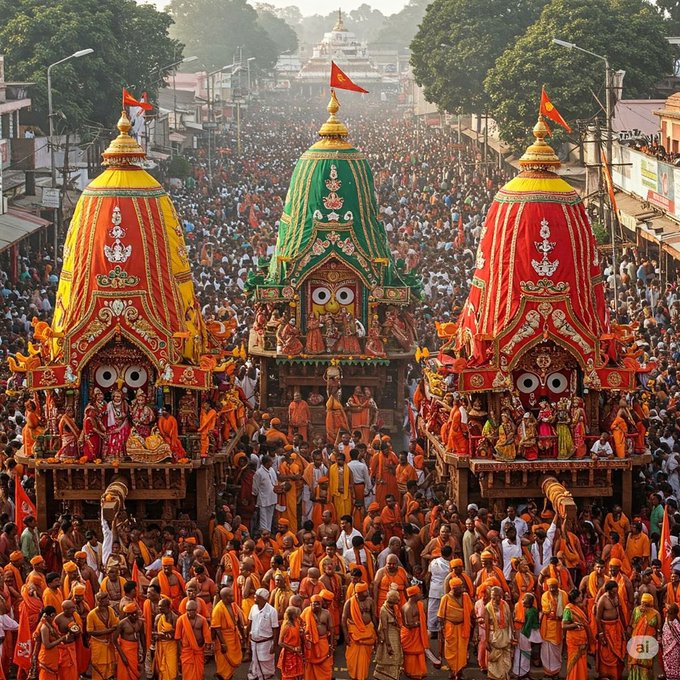
Festivals like the Jagannatha Rath Yatra in India and the Akitu Festival in Babylon illustrate profound cultural connections through shared themes of divine presence and community spirit. Both feature sacred processions that signify renewal and seasonal changes, linking deities to nature. Kingship plays a vital role, symbolizing the ruler's duty to serve both the divine and the people. These festivities foster unity, transcending social hierarchies and highlighting collective devotion.

Tradition vs. Reform: The Legacy of Bankim Chandra & Ishwar Chandra Vidyasagar

The ideological conflict between Bankim Chandra Chattopadhyay and Ishwar Chandra Vidyasagar illustrates the tension between tradition and social reform in 19th-century Bengal. Vidyasagar championed women's rights and advocated for radical social change, notably through the Widow Remarriage Act, while Bankim emphasized cultural revivalism and gradual reform. Despite their disagreements, both figures significantly impacted Bengal's intellectual landscape, shaping its evolution and illustrating different paths toward progress.

Balkh: A Kingdom Shrouded in the Dust of the Mahabharata

This guest post by Sibaram Das explores the historical significance of Balkh, the ancient kingdom of Bahlika, the elder brother of King Shantanu, who later became the king of Hastinapur. This leads to the city of Balkh, located near Afghanistan's Hindu Kush mountains. In modern-day Afghanistan, Balkh is rich in cultural heritage and is associated with figures like Zoroaster and Jalaluddin Rumi. The author shares his journey through its ruins, reflecting on its layered histories and how tangible connections to the past can enrich our understanding of ancient myths.