Rita: The Cosmic Symphony of Order in Ancient India

The concept of Rita (ऋत) in Vedic thought represents a cosmic law that embodies order, balance, and righteousness, influencing both spiritual and social practices. It illustrates a harmonious universe governed by predictable rhythms, where human actions are interconnected with cosmic order. Rita emphasizes virtues like truthfulness, non-violence, and personal duty (Dharma), guiding ethical living. Its principles endure in modern philosophies, urging a responsible and mindful approach to contemporary challenges and fostering a sense of universal harmony.


India & the Sea: An Enduring Bond Etched in Waves & Wind

India's National Maritime Day, observed on April 5, honors the historic voyage of the SS Loyalty in 1919, symbolizing India's maritime legacy. It highlights the nation's ancient seafaring traditions, trade routes, and cultural exchanges that shaped its civilization. The Indian Ocean served as a conduit for commerce and cultural dialogue, with influences reaching Southeast Asia, reflecting a history of collaboration, adaptability, and shared heritage that continues to inspire today.

Ancient Recipe: The Legacy of Curry from Farmana

Approximately 4,000 years ago, the earliest known curry was discovered in Haryana, India, revealing ancient culinary practices through archaeological findings. This dish, made from aubergine, ginger, and turmeric, showcases a rich heritage linked to India’s agricultural roots. The methods used by ancient cooks highlight the cultural significance of food, connecting us to past generations. Curry has evolved, yet its essence remains a timeless celebration of flavors.

Ritual & Reverence: Unveiling the Prehistoric Goddess of Baghor

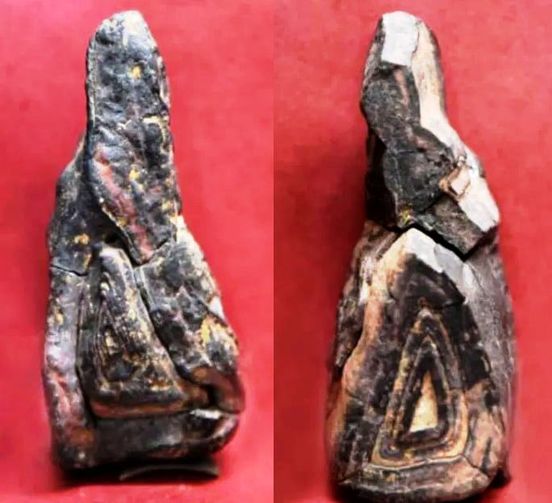
Hidden in the rugged hills of Sidhi, Madhya Pradesh, the prehistoric shrine of Baghor shelters a triangular stone believed to be over 11,000 years old—perhaps the earliest symbol of the Mother Goddess in India. Discovered by archaeologists in the 1970s, it continues to be worshipped today, bridging prehistory and faith in a timeless ode to the divine feminine.

The Mighty Gangaridai: Power & Influence in Ancient India

The ancient kingdom of Gangaridai, located near the Ganges and Brahmaputra rivers, captivated Greek and Roman civilizations with its military strength and naval prowess. Known for its formidable war elephants, it deterred conquerors, including Alexander the Great. Archaeological finds in Chandraketugarh reveal its sophisticated culture and vibrant trade networks, highlighting Gangaridai's significant yet often overlooked role in early Indian history and commerce.

Rock edicts of Emperor Ashoka

Emperor Ashoka’s Legacy: Edicts of Compassion & Governance

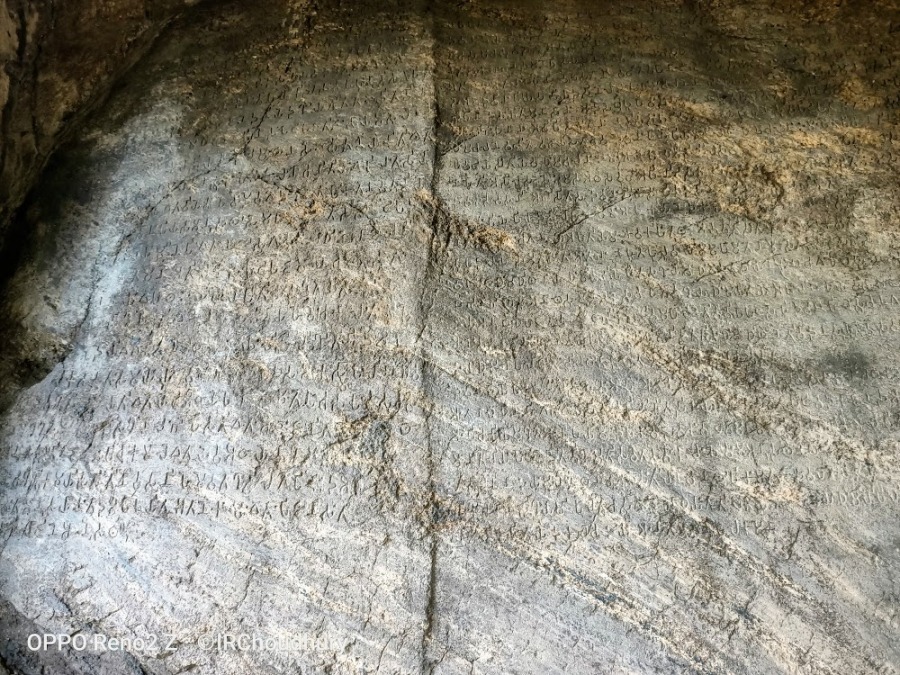
India's rich history and vibrant culture are encapsulated in the legacy of Emperor Ashoka, particularly through the Rock Edicts found near the Dhauli Stupa in Odisha. These inscriptions, written in ancient scripts, highlight Ashoka's transformative journey from a conqueror to a proponent of peace and compassion, advocating for religious tolerance and ethical governance. His teachings remain relevant today, offering timeless lessons of empathy and understanding against modern conflicts.

Between Stones & Stars: A Journey to Pakri Barwadih’s Megalithic Marvels

The Pakri Barwadih megalithic site in Jharkhand, India, reveals the advanced astronomical knowledge of ancient civilizations. Dating back over 3,000 years, these monumental stones were used as observatories and calendars, marking seasonal festivals. Despite its significance, the site faces threats from urbanization and neglect. Preservation efforts are crucial to maintain this cultural heritage, which offers insights into human history and wisdom. Protecting Pakri Barwadih ensures future generations can appreciate this archaeological treasure.

Echoes in Stone: A Journey to the Isko Caves of Jharkhand

The Isko Caves in Jharkhand, India, are a significant archeological site and a testament to the country's prehistoric art and culture. Situated in a forest, the caves contain rock paintings from the Meso-Chalcolithic period (9000-5000 BCE). Local tribes, upholding the tradition of rock painting, connect the present day to the past via rituals performed at these caves. These caves, discovered in 1991, require proper maintenance and protection to conserve this important heritage site.

Mundeshwari Temple: India’s Oldest Functional Hindu Temple

The journey along National Highway No. NH 19 toward Prayagraj turned profound when a visit to the Mundeshwari Temple became a spontaneous detour. Recognized as the world’s oldest functional Hindu temple, this site embodies rich history and unique architecture. The temple, dedicated to Shiva and Shakti, serves as a cultural and spiritual hub. The visit offered insights into India's heritage, leaving a lasting awe-filled impression.

A Journey Through Time: Uncovering the Soul of Chandraketugarh

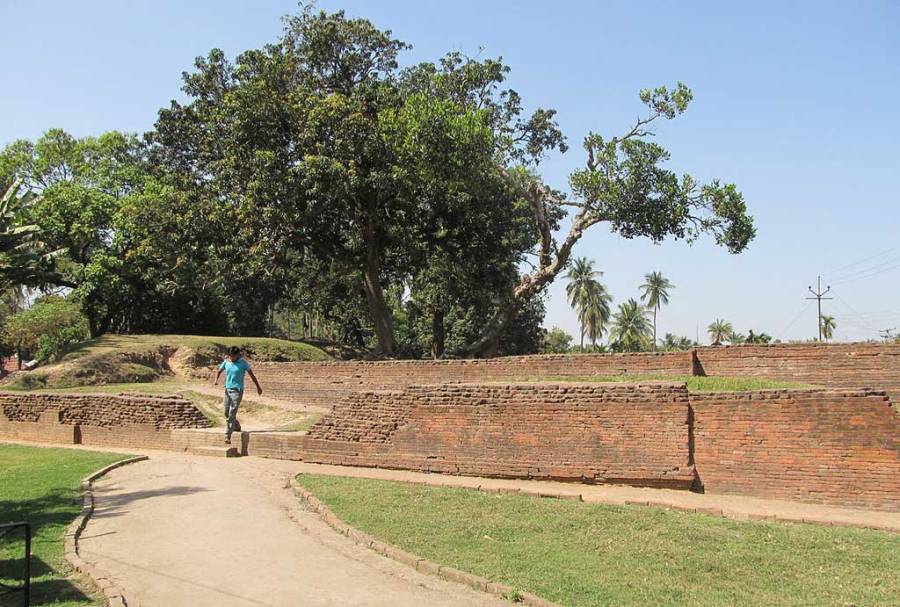
Chandraketugarh, an ancient archaeological site in West Bengal, was once a bustling trade hub dating back to the 3rd century BCE. Named after King Chandraketu, the city flourished till the 12th century CE. Boasting artifacts and structures from various civilizations, it showcases a blend of indigenous Indian culture and influences from Greece, Persia, and Southeast Asia. Chandraketugarh, also possibly the ancient capital of Vanga and the kingdom of Gangaridai, remains a mystery due to inadequate research and awareness. The West Bengal state government established a museum in 2017 to protect its artifacts.