When History Whispers: The Story of a Clay Tablet From the Edge of an Empire

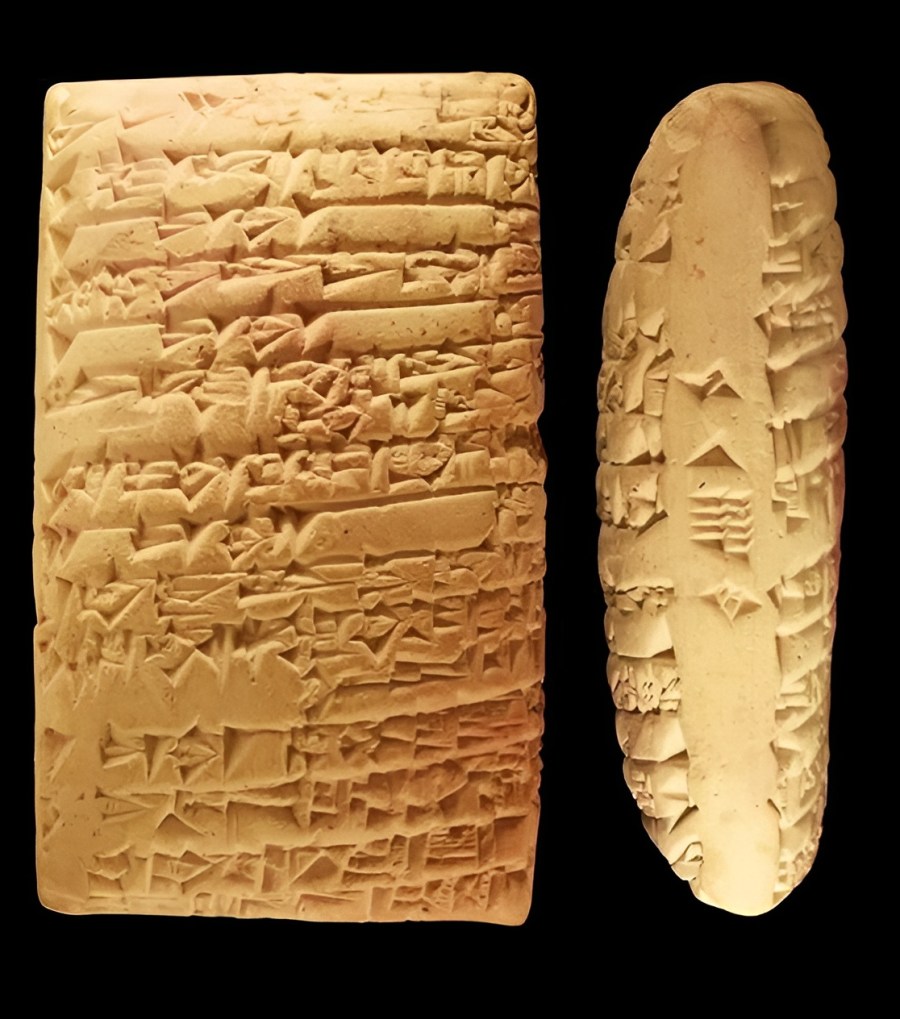
A modest clay tablet preserves a snapshot of life in the Ur III dynasty. It records messengers’ rations—soup, fish, and mutton—alongside their missions. From carrying royal offerings to capturing fugitive workers, these couriers kept the empire connected. Four millennia later, the tablet speaks across time, showing the ingenuity, discipline, and human heartbeat behind one of history’s earliest bureaucracies.
Vedic Influence in Ancient Middle East: Hurrians to Mitanni

Ancient history is being reinterpreted with new insights, suggesting that Vedic religion might have influenced the ancient Middle East, particularly through the Hurrians and the Mitanni kingdom. The Mitanni, led by an Indo-Aryan elite, integrated aspects of Vedic culture while ruling over a Hurrian-speaking populace. However, this influence was primarily limited to the elite, with no evidence of widespread Vedic practice in the region.

Sibtu: Priestess of Nanna & Her Divine Legacy

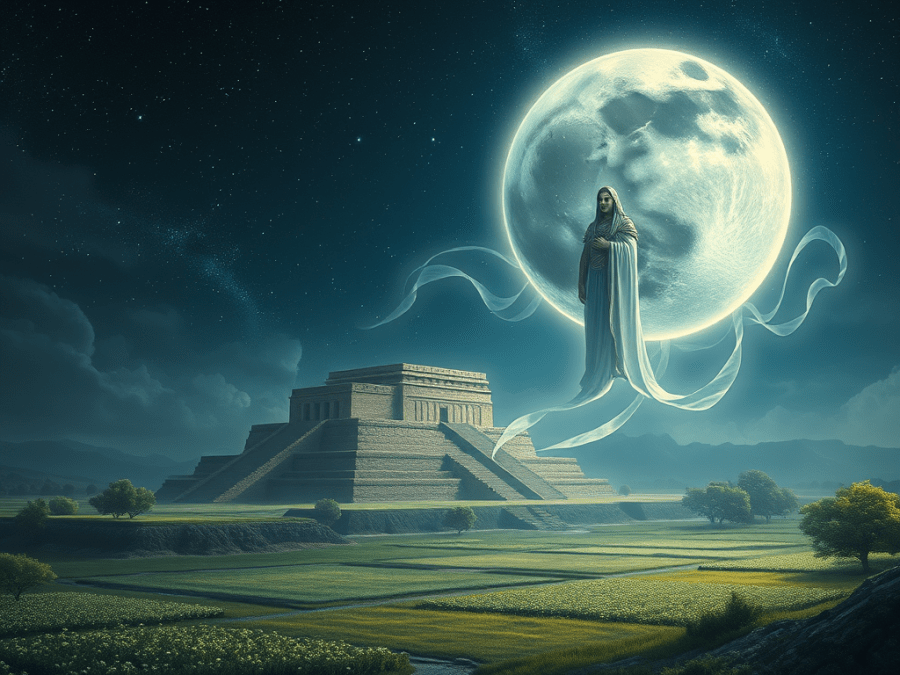
The story recounts the life of Sibtu, a priestess of the moon god Nanna in ancient Ur, highlighting her divine connection and powerful role within the temple. Chosen at a young age, she relinquished her identity to serve the deity, influencing both religious and political spheres. Despite her authority, Sibtu experienced personal sacrifices, ultimately dedicating her life to ensuring Ur’s prosperity. Her legacy intertwines with the sacred marriage ritual, symbolizing divine and earthly unity.

The Eternal Light: Nanna, the Moon God of Sumer

Nanna, the moon god of ancient Sumer, was a celestial deity revered for his profound influence over time, agriculture, and destinies. As the lord of the lunar calendar, he provided guidance and protection to mortals, particularly in Ur, where his grand ziggurat stood as a testament to his power. Nanna's legacy transcended Sumer, influencing neighboring cultures and highlighting the enduring connection between humanity and celestial bodies.

Architects of a Forgotten Age: Unraveling the Mystery of the Ubaid Lizard Figurines

The Ubaid culture, existing in southern Mesopotamia around 5000 to 4000 BCE, laid the groundwork for Sumerian civilization. Notably, the Lizard Figurines, with their unique reptilian features, suggest complex societal beliefs, including possible connections to shamanism and fertility. These artifacts highlight Ubaid advancements in art, agriculture, and spirituality.

Celebrating International Literacy Day: The Legacy of Ashurbanipal’s Library

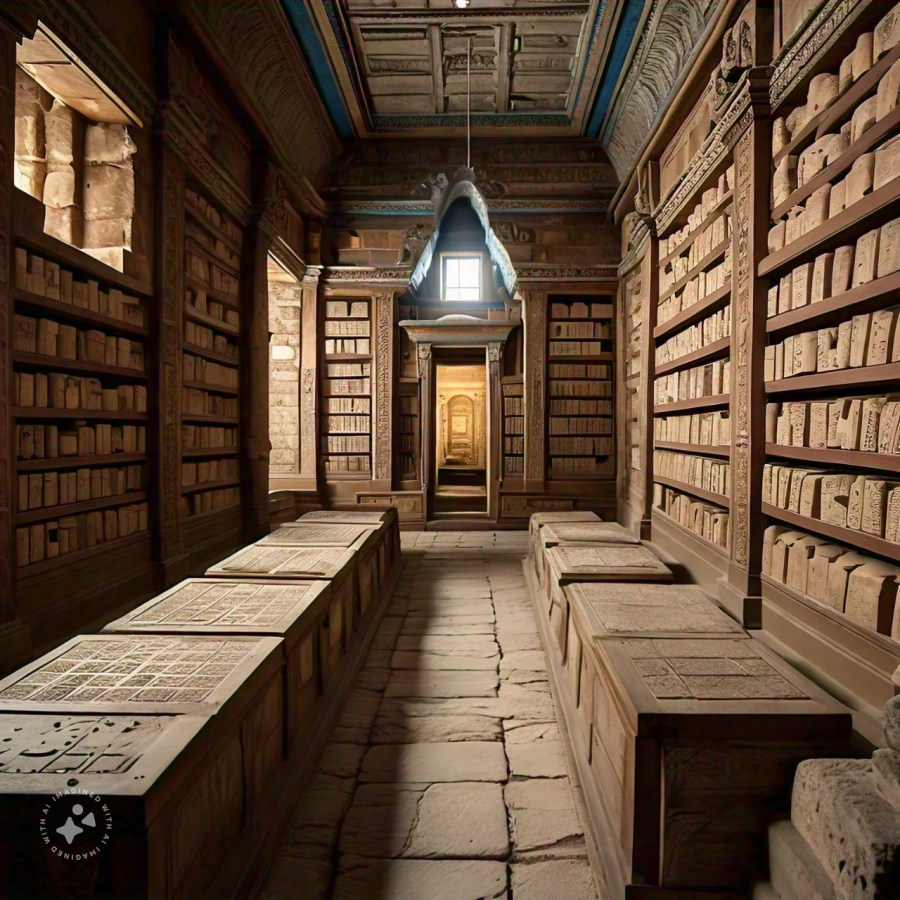
On International Literacy Day, we celebrate the Royal Library of Ashurbanipal, the world's oldest known library, founded in the 7th century BCE. This treasure trove of knowledge housed 30,000 cuneiform tablets, including the "Epic of Gilgamesh." Ashurbanipal, a martial commander with a passion for literature, amassed texts through conquests. Unearthed in the 19th century, its surviving tablets offer valuable insights into ancient Mesopotamia. Despite its destruction, the library's unintentional preservation through fire ensures the wisdom of the past endures.

Kushim: The Accountant Who Started History

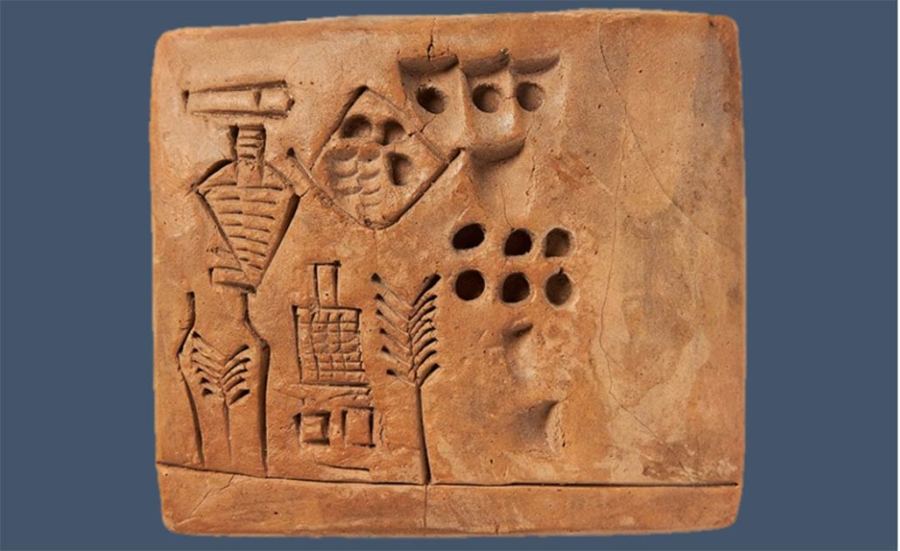
The first person in recorded history, known through ancient writings, is Kushim, an accountant from Mesopotamia. His name, etched on a clay tablet dating back to 3200 BCE, reflects a significant yet humble role in documenting economic transactions and the emergence of writing. This discovery highlights the vital contribution of ordinary individuals to civilization, reminding us that history is shaped by both extraordinary figures and everyday people like Kushim.

Qaysari Bazaar: Where Tradition Meets Modernity in Erbil

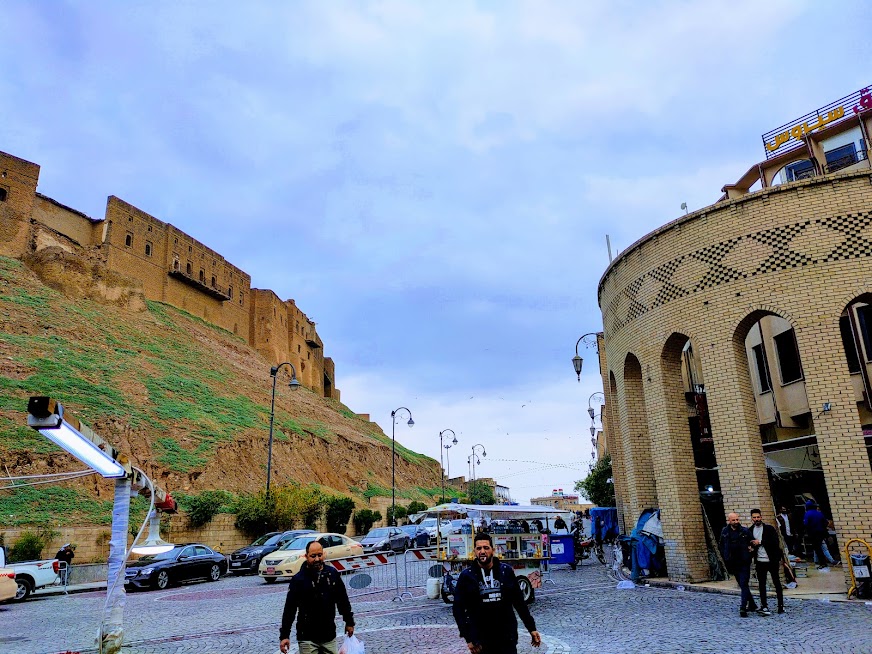
The Old Souq or Qaysari Bazaar, in Iraq's Erbil, is a historic marketplace dating back to the 8th century. As one of the world's oldest inhabited areas, it reflects a rich cultural mixture from various civilizations. Renowned for its vibrant atmosphere and diverse offerings, the Souq features a blend of traditional and modern commerce. Its enticing architecture, array of shops, friendly locals, and culinary delights make it an immersive experience that transcends shopping, offering visitors a journey through time and the cultural tapestry of Kurdish heritage.