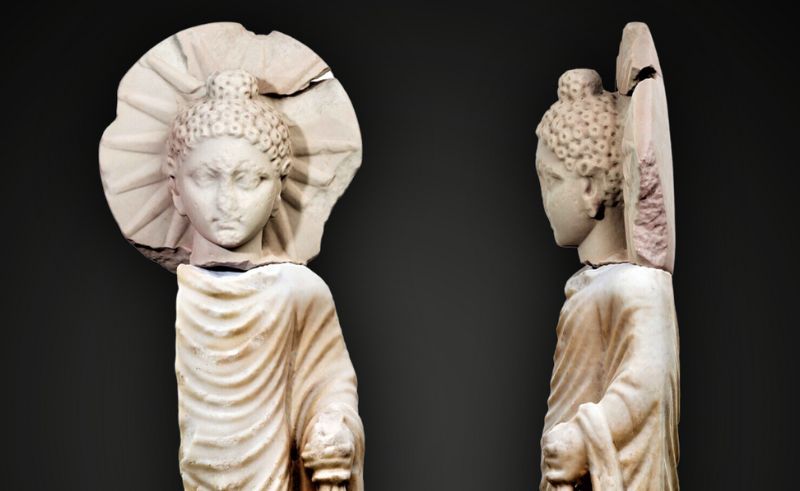
Buddha’s Influence in Ancient Egypt: The Berenice Discovery

In ancient Egypt, the city of Berenice pivoted as a vibrant hub for diverse cultural exchange along the Silk Road. Archaeologists recently discovered a statue of Buddha from Roman Egypt in the Goddess Isis’ temple at Berenice, highlighting commercial and cultural ties with India. The city, a melting pot of Greek, Roman, and Egyptian civilizations, grappled with Buddhist philosophy along with goods transported from India, creating a unique blend of spirituality and culture before fading into obscurity.
Mushussu: The Serpent-Dragon of Babylon

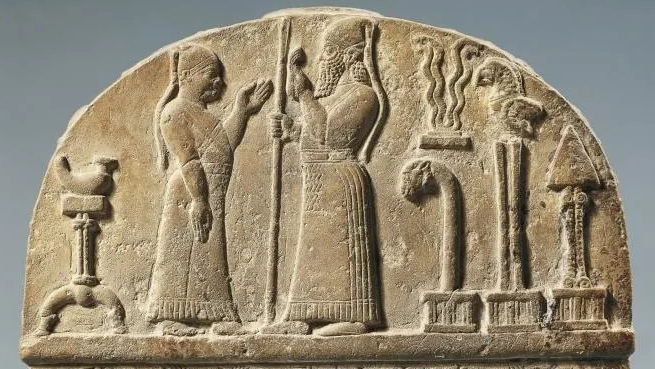
Four years ago, in the National Museum of Iraq, I encountered the mythic creature Mushussu, a hybrid of serpent, lion, and eagle in Mesopotamian mythology. Its name, stemming from Akkadian, connects to divine power and protection associated with Marduk, Babylon's chief god. Mushussu embodied attributes of vitality and guardianship, prominently featured on the Ishtar Gate. Today, its legacy persists in museums and digital platforms, bridging ancient mythology with modern cultural imagination.

The Oldest Customer Complaint: Lessons from Ancient Business

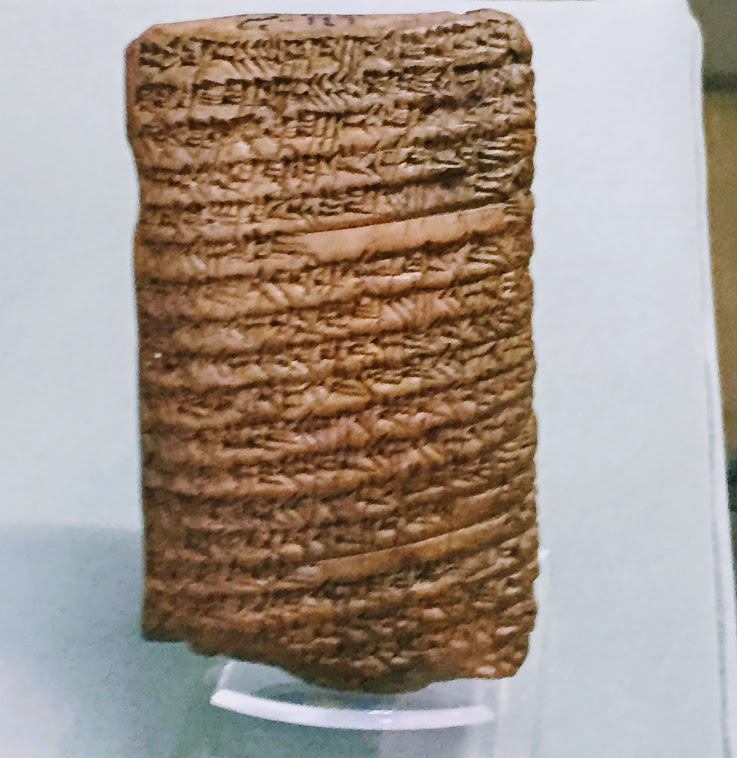
The oldest customer complaint known was discovered on a clay tablet from 1750 BCE, found in the ancient city of Ur, current southern Iraq. The complaint was made by a man named Nanni to the merchant Ea-nasir, about the poor-quality copper bought. Nanni also claimed he was mistreated and mentioned fraudulent practices by Ea-nasir. This tablet, housed currently in the British Museum, offers insight into customer service expectations and the importance of good business practices in ancient times.

The Mask of Warka: A Timeless Gaze into Mesopotamian Civilisation

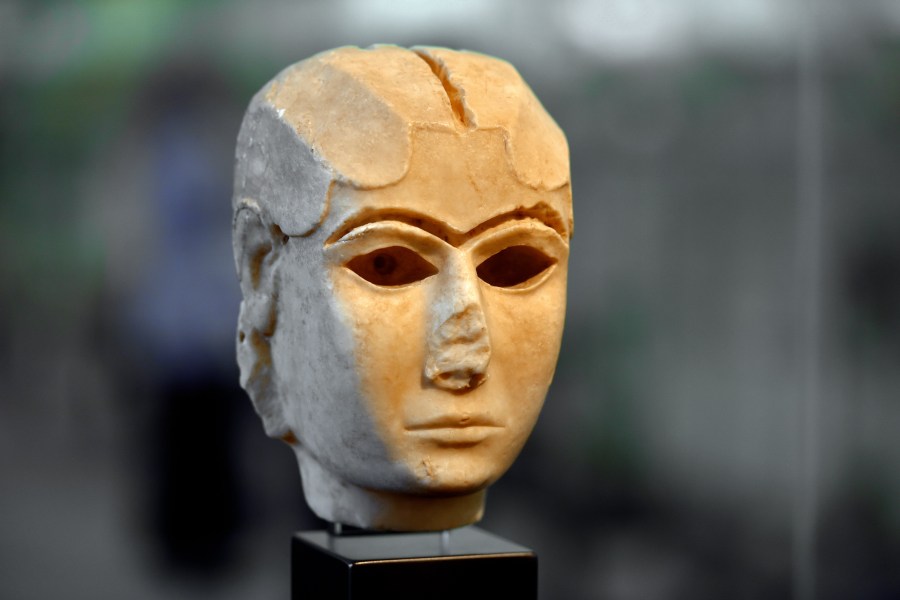
The Mask of Warka, dating to 3100 BCE, is a pivotal archaeological find from Uruk in ancient Mesopotamia. Likely representing the goddess Inanna, its striking naturalism showcases early sculptural artistry and religious symbolism. The mask reflects the civilization’s complex beliefs and artistic evolution, bridging the divine and human realms in ancient culture.

Akitu Festival: Traditions & Rituals of Ancient Babylon

The Akitu Festival was an essential spring and New Year's celebration in ancient Mesopotamia. Held in March/April, the festival celebrated the sowing of barley, nature's rebirth, and the renewal of life, while honoring the supreme god Marduk and his son Nabu. It lasted 12 days, each with its unique rituals and ceremonies, conducted in the city of Babylon and a special temple outside the city. The festival also served a significant social and political role, including a ritual humiliation of the king to demonstrate his mortality and reliance on Marduk.

Dining with the Ancients: Unearthing a 5,000-Year-Old Tavern in Lagash

Archaeologists have uncovered a 5,000-year-old tavern in Lagash, Iraq, shedding light on ancient Sumerian society. The remains featured an open-air dining area, industrial-sized oven, and ancient refrigerator, offering insights into the lifestyle of the middle class. This discovery challenges previous notions, indicating the existence of an ancient middle class. Detailed analysis of samples is expected to reveal more about the tavern's patrons and ancient city social structure.

The Golden Lyre of Ur: Echoes of a Forgotten Civilization

The Golden Lyre of Ur, discovered in the 1920s by British archaeologist Leonard Woolley, represents the rich musical heritage of ancient Mesopotamian society. The lyre is a gold and wood instrument, with 11 strings, adorned with carved mythical creatures. Found in the Royal Cemetery of Ur, it is one of the oldest stringed instruments ever uncovered and was likely used in significant ceremonies and rituals, including burials. Its intricate design features suggest the substantial role of music in Mesopotamian society, as well as its religious and spiritual significance.

Symbolism of Helmets: Gold vs. Bronze in Mesopotamia

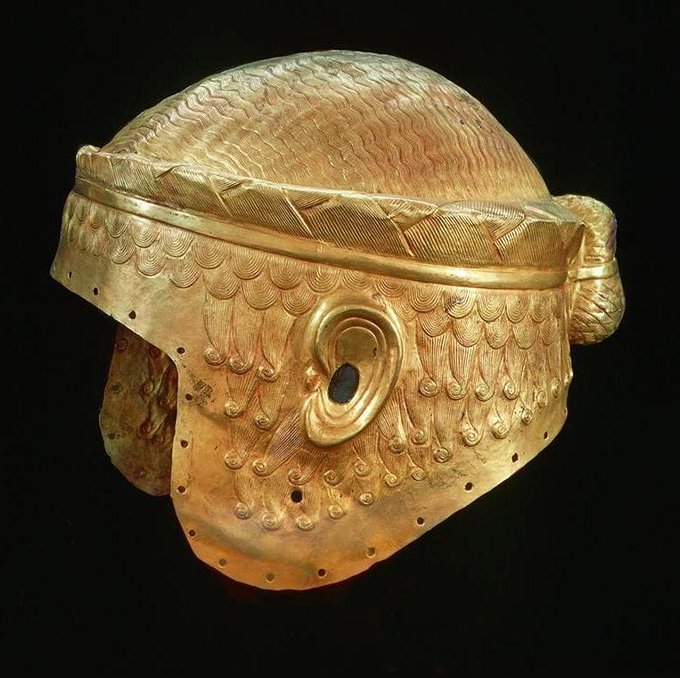
The narrative contrasts two ancient rulers from Mesopotamia: Meskalamdug of Ur, symbolized by his golden helmet representing divine favor and stability, and Sargon of Akkad, marked by his bronze helmet embodying conquest and ambition. Meskalamdug’s reign, though mysterious, reflected a sacred kinship with the gods. In contrast, Sargon’s rise to power emerged from military strength and human will. Their helmets serve as lasting symbols of their legacies, differentiating spiritual governance from earthly conquest.

Exploring the Laws of Eshnunna: Ancient Legal Insights

The Laws of Eshnunna, dating back to the 18th century BCE, predate even the famed Hammurabi's Code, offering insights into an early civilization. Comprising 60 articles, they outline a structured society and depart from the punitive severity of later legal codes, opting for fines and compensations. They offer a glimpse into ancient Mesopotamian life and the perpetual struggle for justice.