Mushussu: The Serpent-Dragon of Babylon

Four years ago, in the National Museum of Iraq, I encountered the mythic creature Mushussu, a hybrid of serpent, lion, and eagle in Mesopotamian mythology. Its name, stemming from Akkadian, connects to divine power and protection associated with Marduk, Babylon's chief god. Mushussu embodied attributes of vitality and guardianship, prominently featured on the Ishtar Gate. Today, its legacy persists in museums and digital platforms, bridging ancient mythology with modern cultural imagination.

Warli in Transit: Ancient Lines, Timeless Stories, & a Journey Through Art

Airports evoke a unique introspection, marked by the transition between known and unknown. While waiting during a layover at Doha, the author reflects on a Warli art mural seen at Indira Gandhi Airport. This ancient art form, practiced by the Warli tribe, symbolizes ancestral memory and nature's sacredness. The mural serves as a cultural ambassador, reminding travelers of enduring stories and the traditions connecting them to India's heritage.

Mandala Art: Symbols of Creativity & Inner Peace

Mandala art is a captivating representation of the universe and the human psyche. It has a rich history dating back to ancient times, spreading across various cultures and religions. Mandala art comes in diverse types, each with its own significance, and serves as a therapeutic practice, promoting mindfulness and self-expression. This art form, whether created or admired, can inspire, heal, and bring inner peace.

Echoes in Stone: A Journey to the Isko Caves of Jharkhand

The Isko Caves in Jharkhand, India, are a significant archeological site and a testament to the country's prehistoric art and culture. Situated in a forest, the caves contain rock paintings from the Meso-Chalcolithic period (9000-5000 BCE). Local tribes, upholding the tradition of rock painting, connect the present day to the past via rituals performed at these caves. These caves, discovered in 1991, require proper maintenance and protection to conserve this important heritage site.

The Thrill of a Signed Book & the Tale of a Historic Manhunt

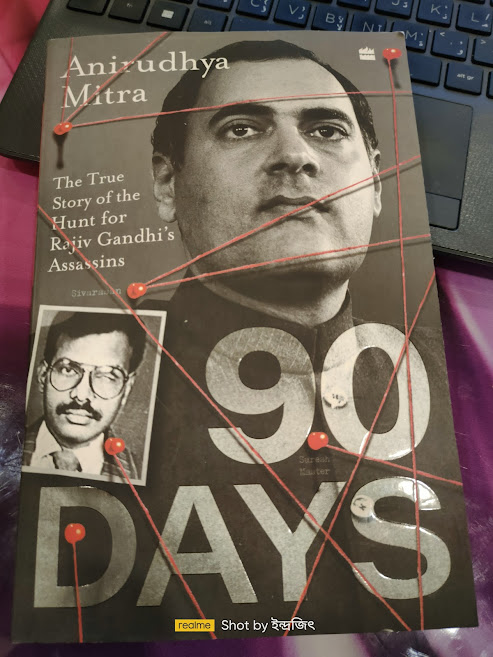
While in Baghdad, Iraq, I learned about Anirudhya Mitra's book signing in New Delhi for “90 Days: The True Story of the Hunt for Rajiv Gandhi’s Assassins” from my friend Aranjit. The book provides a detailed account of the assassination plot and captivating investigation, making it a compelling read for those interested in real events and crime stories. The signed copy from Aranjit added immense value to my reading experience.

Agatha Christie’s Baghdad: A Love Story Written in Dust & Ink

Agatha Christie, the "Queen of Crime" and best-selling novelist, experienced a transformative chapter of her life in Baghdad. After a 1928 divorce, she found solace and inspiration in Iraq, marrying archaeologist Max Mallowan. Immersing herself in Mesopotamian culture, Christie contributed to archaeological digs, enriching her literary work, including "They Came to Baghdad." Her love for the city and its people profoundly influenced her novels, leaving a lasting legacy.

A Day in Phuentsholing: Gateway to the Land of the Thunder Dragon

Crossing the Bhutan Gate into Phuentsholing is like stepping into another world. From serene monasteries and the vibrant riverside of the Torsa, to the bustling markets and cozy Kizom Café, every corner tells a story. Cultures blend, nature thrives, and spirituality whispers through the town. Even a day here reveals Bhutan’s charm, leaving memories that linger long after departure.

The Hidden Sanctuary of Jadugora: A Journey to the Rankini Temple

The Rankini Temple in Jadugora, Jharkhand, is a sacred Hindu temple venerating Rankini Devi, with a rich history and tranquil atmosphere. Located near the Hata-Jadugora State Highway, it stands as a significant blend of historical and spiritual heritage. It is a must-visit for those seeking spiritual solace and unique cultural experiences in Jharkhand.

A Journey Through Time: Uncovering the Soul of Chandraketugarh

Chandraketugarh, an ancient archaeological site in West Bengal, was once a bustling trade hub dating back to the 3rd century BCE. Named after King Chandraketu, the city flourished till the 12th century CE. Boasting artifacts and structures from various civilizations, it showcases a blend of indigenous Indian culture and influences from Greece, Persia, and Southeast Asia. Chandraketugarh, also possibly the ancient capital of Vanga and the kingdom of Gangaridai, remains a mystery due to inadequate research and awareness. The West Bengal state government established a museum in 2017 to protect its artifacts.