Of Bitters, Sweets, & Mustard Oil: A Bengali’s Forgotten Science of Eating

We Bengalis practiced “healthy eating” long before it became fashionable — detoxing with nim-begun (neem and brinjal), finding protein in dal aar bori (lentils and dumplings), and strength in macher jhol (fish curry). Each meal balanced teto (bitter) for wisdom, mishti (sweet) for hope, and sorsher tel (mustard oil) for pure attitude.

Thor: The Versatile Banana Stem in Bengali Recipes

'Thor,' the banana stem, embodies the essence of Bengali cuisine, illustrating resourcefulness and sustainability. This often-discarded plant part transforms into dishes like Thor Ghonto and Thor-er Bora, celebrated for their simplicity and depth of flavor. Beyond nourishment, Thor reflects cultural heritage and familial bonds, preserving wisdom from past generations. It symbolizes a connection to nature and the importance of utilizing every part of the harvest.

Tok Dal & the Delhi Summer: A Tangy Memory of Home

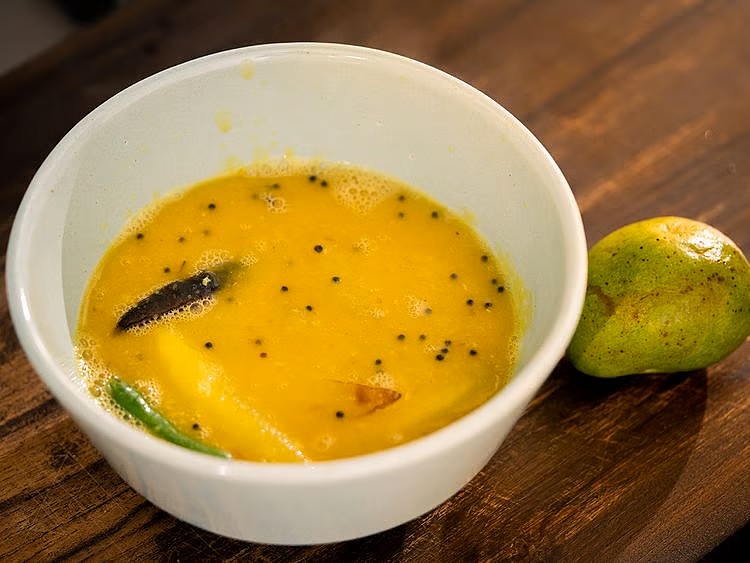
The memories of Delhi's summer heat evoke thoughts of relief found in Tok Dal, a cherished dish from childhood. In a modest home, Ma expertly combined tangy raw mango with lentils, creating a comforting meal that soothed through its simplicity. Cooking was more than nourishment; it embodied family wisdom, tradition, and love. Even now, making Tok Dal transports me back to those precious moments, reminding me of home.

Chorchori: A Healthy Bengali Stir-Fry for Every Home

The essence of chorchori, a beloved Bengali dish, embodies the rich culinary heritage and resourcefulness of our ancestors. Growing up in Delhi, my mother maintained our cultural roots by preparing this versatile vegetable stir-fry, using local ingredients yet honoring traditional flavors. Chorchori became a bridge connecting us to Bengal, nourishing both body and soul while adapting to our life in a bustling city.

Smoked Bandel Cheese

Bandel Cheese: A Taste of Colonial Bengal

Bandel cheese, a unique artisanal cheese from Kolkata, boasts a rich colonial history rooted in Portuguese influence. Originating in the 16th century, it combines local cheesemaking traditions with European techniques, notably through acid-coagulation and smoking for preservation. With a bold, smoky flavor, it’s a standout in India’s culinary landscape. Now rediscovered by food enthusiasts, Bandel cheese faces threats from declining artisan practices, emphasizing the need for preservation to maintain this historical gastronomic treasure.

Unbreakable Bonds: A Memorable School Reunion in Ranchi

The Ranchi school reunion was a heartwarming celebration of enduring friendships. Starting with a chaotic trip to the Maha Kumbh Mela, the friends enjoyed shared meals, explored scenic spots like Patratu Valley and Dassam Waterfalls, and visited various temples. The gathering emphasized nostalgia, laughter, and treasured memories, reinforcing their unbreakable bond.

Cleaning Sojne ful (Moringa Blossoms)

Sojne Ful: Embracing Spring’s Flavours in Bengali Cuisine

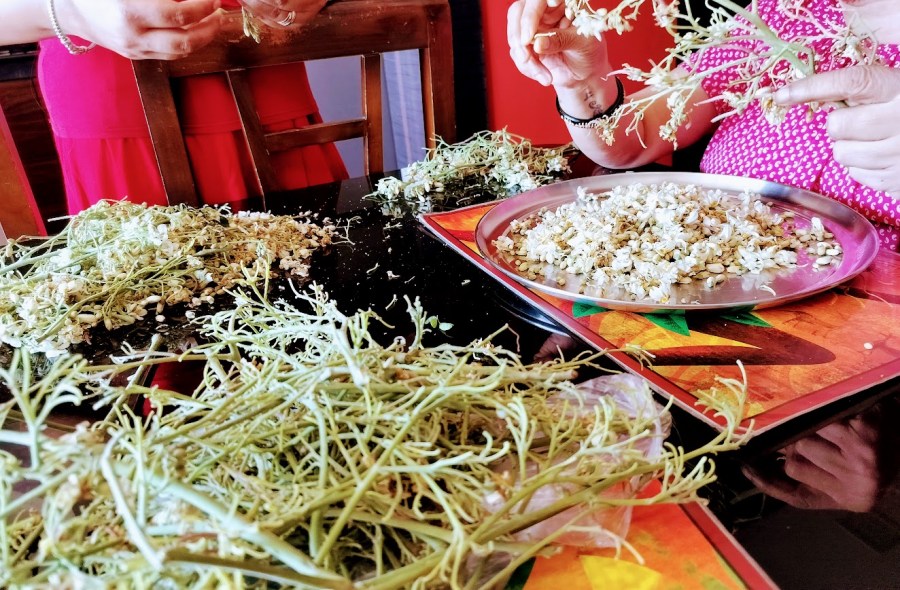
As spring arrives, Bengali kitchens celebrate the seasonal beauty of Sojne Ful, or Moringa Flowers. These delicate blooms, integral to local culinary traditions, can be enjoyed as crispy fritters or comforting stews. Known for their nutritional benefits, including immune support and skin health, they symbolize a seasonal ritual that combines patience and connection to heritage. Cooking with Sojne Ful transcends mere sustenance, embodying nostalgia and cultural significance.

Whispers of Taal: A Monsoon Memory from Bengal to Ranchi

The late monsoon in Bengal brings the seasonal appearance of Taal, or sugar palm, in local markets. This unique fruit is a delicacy in Bengal, used to make various dishes like Taler Bora, a Janmashtami special. The preparation of Taler Bora is linked to tradition, and its cultural significance extends beyond just being a snack. Taler Bora is a must-try for anyone seeking to explore the culinary treasures of Bengali kitchens.

Rain, Nostalgia, & the Golden Bloom: Kumro Phool Bhaja

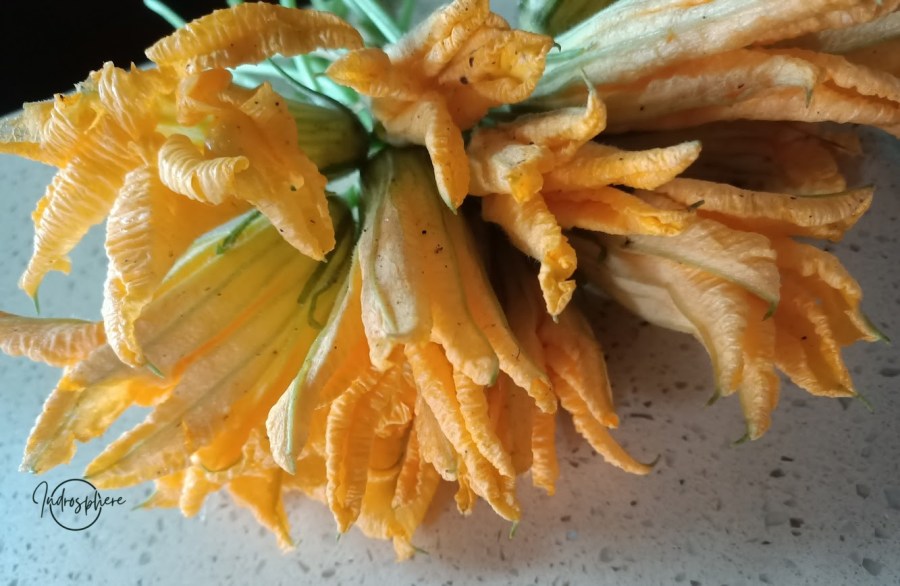
Pumpkin flower pakodas, or kumro phool bhaja, are a cherished Bengali delicacy with deep roots in the region's agrarian traditions, where every part of the plant was utilized. In Ranchi, I recently found these vibrant flowers in the market and brought them home, where my wife, Jagrata, expertly transformed them into crispy, golden fritters. The delicate blend of spices and the tender sweetness of the flower made each bite a nostalgic journey, connecting us to our heritage. This simple yet flavorful dish is a family favorite, especially loved by our son, Judhajit, and serves as a reminder of the enduring power of tradition and the joy of sharing it with the next generation.