Preserving Our Voices: Celebrating Mother Tongues and Cultural Diversity

In 1948, Pakistan declared Urdu its national language despite a Bengali-speaking majority, leading to historic protests. In 2002, the UN established International Mother Language Day in efforts to promote linguistic and cultural diversity and combat the disappearance of endangered languages. With globalization threatening language diversity, consistent effort is needed to protect and preserve languages and the cultural heritage they embody.

Nabapatrika: When Nine Sacred Leaves Bring the Goddess Home

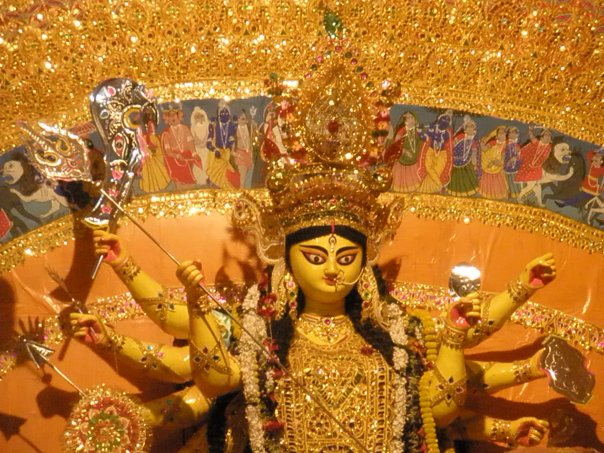
As autumn begins in Bengal, Durga Puja brings joy and festivity with rituals like Nabapatrika, representing Goddess Durga through nine sacred plants. This tradition, unique to Bengal, honors fertility and nature and reflects familial bonds in a charming folktale. Although overshadowed by idol worship, Nabapatrika endures, emphasizing ecological reverence and the cyclical essence of life. It intertwines culture and spirituality, vital to the rich tapestry of Durga Puja celebrations, celebrating the triumph over evil and community.

Durga Puja in Varanasi: Traditions & Memories

Durga Puja in India transforms the atmosphere into a vibrant celebration of the Goddess Durga, embodying divine feminine power. A personal experience in Varanasi highlighted the city's rich traditions and spiritual energy, driven by family connections and rituals like Kumari Puja. This journey created cherished memories filled with devotion, joy, and cultural heritage, while anticipation for the upcoming festivities stirs emotions once more.

Pi Day: Celebrate Mathematics

Today marks the anniversary of Pi Day, celebrated on March 14 (3.14) in honor of the mathematical constant π, the ratio of a circle's circumference to its diameter. Pi is essential in various scientific fields and is known for its irrationality. The concept of pi has ancient roots, with notable contributions from mathematicians like Archimedes and Aryabhatta. Pi Day gained recognition in 2009, with official support from the U.S. Congress.

Newroz Piroz Be: The Eternal Flame of Renewal

Nowruz, meaning "New Day" in Persian, is an ancient festival with its origins dating back thousands of years, rooted in Zoroastrianism. It marks the beginning of the Persian New Year and the arrival of spring. The exact origin of Nowruz is not definitively known, but it is believed to have been celebrated for over 3,000 years in the regions of modern-day Iran, Central Asia, and parts of the Middle East.

Diwali Then and Now: A Journey Through Light, Memory, & Meaning

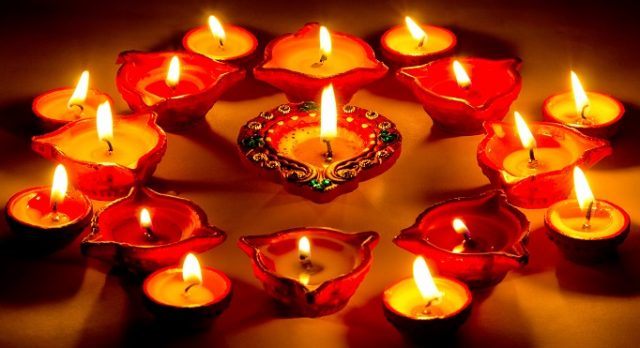
I reflect on nostalgic childhood memories of Diwali, contrasting the festival's communal joy and artisan importance with today's commercialization and digital greetings. While modern conveniences alter traditions, the author urges a return to meaningful connections, preserving the festival's intimate spirit through conscious efforts to maintain its richness amidst evolving societal changes.

Ram Navami Procession in Ranchi

Ram Navami in Ranchi: When Faith Turns into a River of Devotion

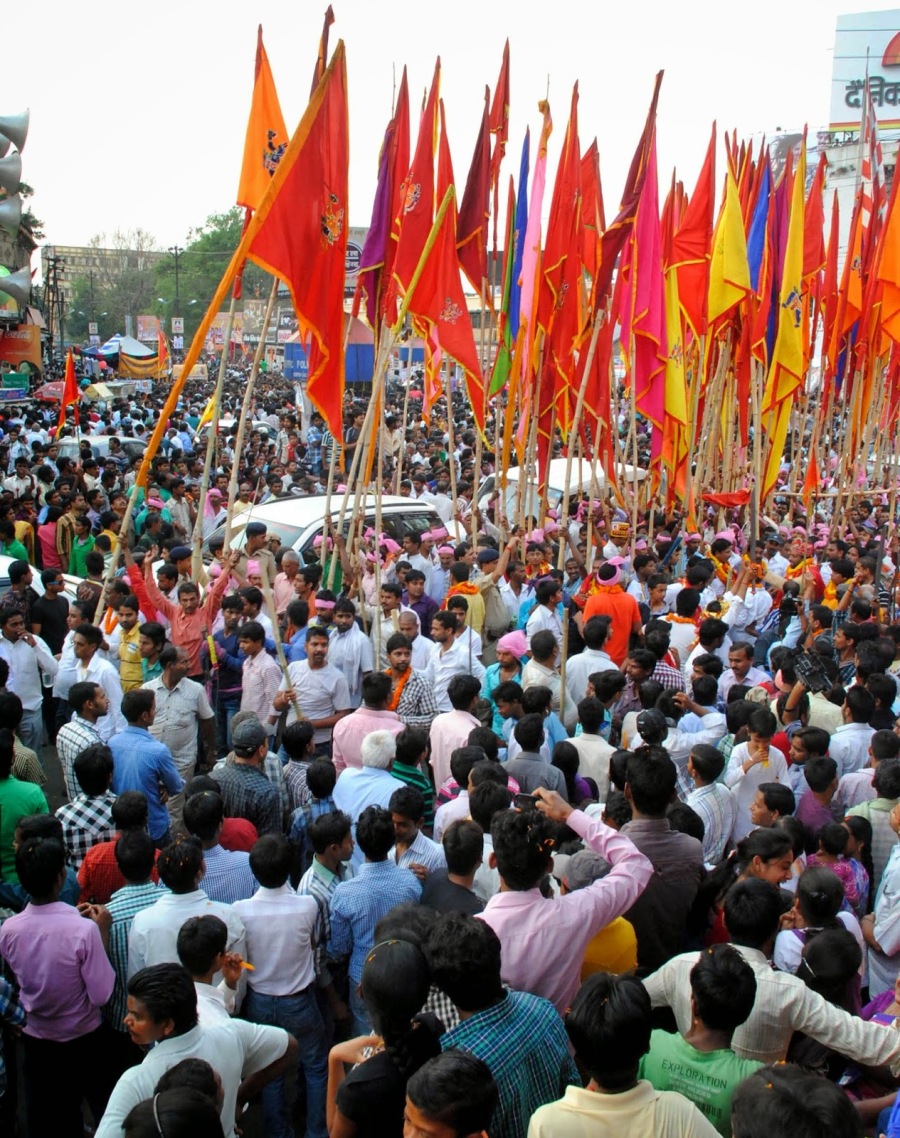
The Ram Navami festival in Ranchi embodies a vibrant communal celebration of Lord Rama's birth, marked by the spirited Ratha Yatra and martial displays from local akharas. The city transforms, adorned with saffron flags and lively hymns, drawing people together across diverse backgrounds. At the heart of festivities is Albert Ekka Chowk, where unity and devotion flourish, culminating in a profound experience that highlights the enduring legacy of faith and righteousness.

Saraswati: The Goddess of Knowledge & Creativity

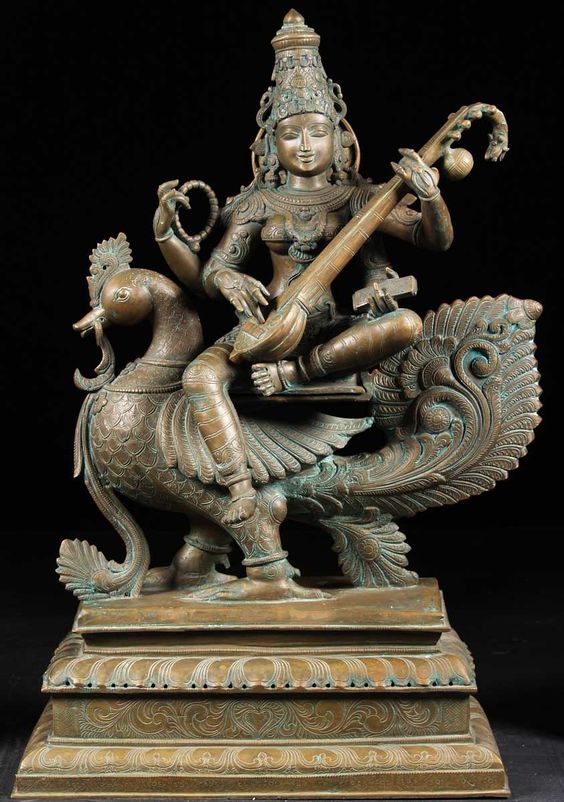
Saraswati (also Sarasvati) is the Hindu goddess of learning, wisdom, music, and aesthetics. She is also known as Bharati (eloquence), Shatarupa (existence), Vedamata (‘mother of the Vedas’), Brahmi, Sarada, Vagisvari, and Putkari. Saraswati, the goddess of knowledge and arts, represents the free flow of wisdom and consciousness. Saraswati represents vak or the divine word, but the same inspiration she reflects extends to all Hindu goddesses as arising from chit-shakti, the power of consciousness.

Chhath Puja: The Sun, the River, & the Quiet Democracy of Devotion

There are festivals that celebrate with noise, and then there is Chhath Puja, which celebrates with silence. No firecrackers, no idols—just the river, the sun, and the surrender of the self. If Diwali dazzles with light, Chhath moves in shadows: women standing waist-deep in water, men bearing baskets of fruits and sugarcane, and a faith that asks for nothing but gratitude. It is a festival without priests, without hierarchy, where the setting and rising sun receive equal reverence. In a world obsessed with spectacle, Chhath whispers its truth—that sometimes the deepest devotion lies not in asking, but in simply saying, thank you.

Sohrai: A Tribal Festival of Gratitude, Art, & Harmony in Jharkhand

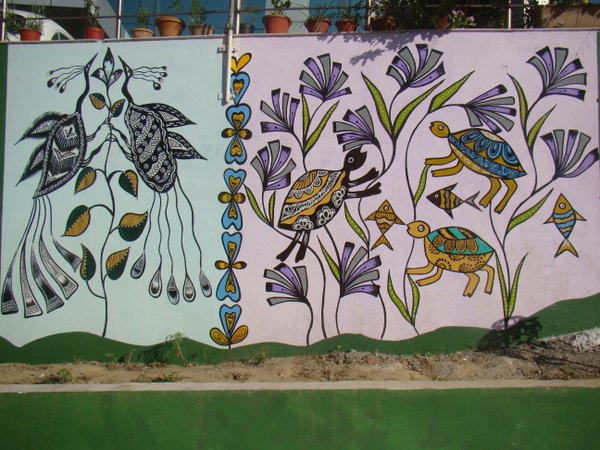
Sohrai, a prominent festival in Jharkhand, transcends a mere harvest celebration for tribal communities, embodying gratitude to nature, cattle, and ancestors, while strengthening cultural ties. It begins with rituals led by the village priest, followed by vibrant celebrations showcasing Sohrai paintings, depicting life and nature. Key elements include music, dance, and community bonding, emphasizing interconnectedness. Recent initiatives preserve this heritage, ensuring recognition for artists and highlighting a tradition that harmonizes with the environment.