Exploring the Laws of Eshnunna: Ancient Legal Insights

The Laws of Eshnunna, dating back to the 18th century BCE, predate even the famed Hammurabi's Code, offering insights into an early civilization. Comprising 60 articles, they outline a structured society and depart from the punitive severity of later legal codes, opting for fines and compensations. They offer a glimpse into ancient Mesopotamian life and the perpetual struggle for justice.
A Journey Through Time: Uncovering the Soul of Chandraketugarh

Chandraketugarh, an ancient archaeological site in West Bengal, was once a bustling trade hub dating back to the 3rd century BCE. Named after King Chandraketu, the city flourished till the 12th century CE. Boasting artifacts and structures from various civilizations, it showcases a blend of indigenous Indian culture and influences from Greece, Persia, and Southeast Asia. Chandraketugarh, also possibly the ancient capital of Vanga and the kingdom of Gangaridai, remains a mystery due to inadequate research and awareness. The West Bengal state government established a museum in 2017 to protect its artifacts.

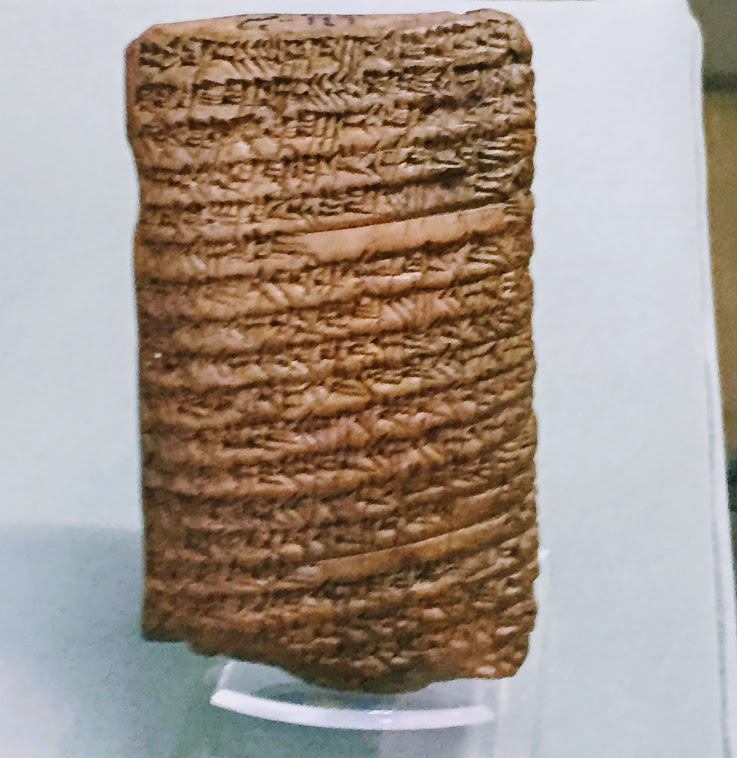
Tracing the World’s First Written Recipes: The Mesopotamian Cookbook

In the cradle of civilization, Mesopotamia not only gave the world writing and the wheel but also its first cookbook. Etched on clay tablets around 1700 BCE, these ancient recipes reveal a sophisticated palate — stews rich with lamb, onions, and spices — and remind us that humanity’s story has always been written in the language of food.

Shaduppum: Forgotten City That Whispered Civilization

The ancient city of Shaduppum, now modern-day Tell Harmal in Iraq, was a significant center during the Bronze Age and Early Iron Age. Known for its rich history, intricate urban layout, and its importance in bureaucracy, commerce, and culture, Shaduppum hosted numerous temples and was a hub for Babylonia's treasury and accounting. Its most notable discoveries include clay tablets inscribed with laws, mathematical equations, and remarkable texts such as The Epic of Gilgamesh, all of which provide valuable insights into the Mesopotamian civilization.

Ninmakh: The Divine Mother of Sumerian Mythology

In the ancient land of Mesopotamia, lies the tale of Ninmakh, a revered goddess of healing and creation. As the consort of Enki, she played a pivotal role in shaping gods and humans. Her temple, a sanctuary in Babylon, witnessed rituals and prayers for fertility and healing. Despite the ravages of time, her legacy endures, embodying humanity's quest for meaning. The ruins of her temple stand as a testament to her enduring spirit and the rich Babylonian civilization.

The Warka Vase: A Story in Stone

The Warka Vase, an artifact from 3200 BCE discovered in modern-day Iraq, is revered for its intricate carvings depicting ancient Sumerian mythology. Crafted as a tribute to the goddess Inanna, the vase was found in the temple complex of Uruk, showing the civilization's beliefs and culture. The vase was stolen in 2003, amidst the American invasion, but returned following an amnesty program.

The Legacy of Al-Mustansiriya Madrasa: Education Through Adversity

Al-Mustansiriya Madrasa, founded in 1227 in Baghdad, is a renowned Islamic institution of learning, offering a diverse curriculum. Its stunning architecture reflects Baghdad's historical significance in Islamic art. Despite facing invasions and repurposing, the madrasa has maintained its cultural and educational importance, symbolizing Iraq's resilience and intellectual tradition.

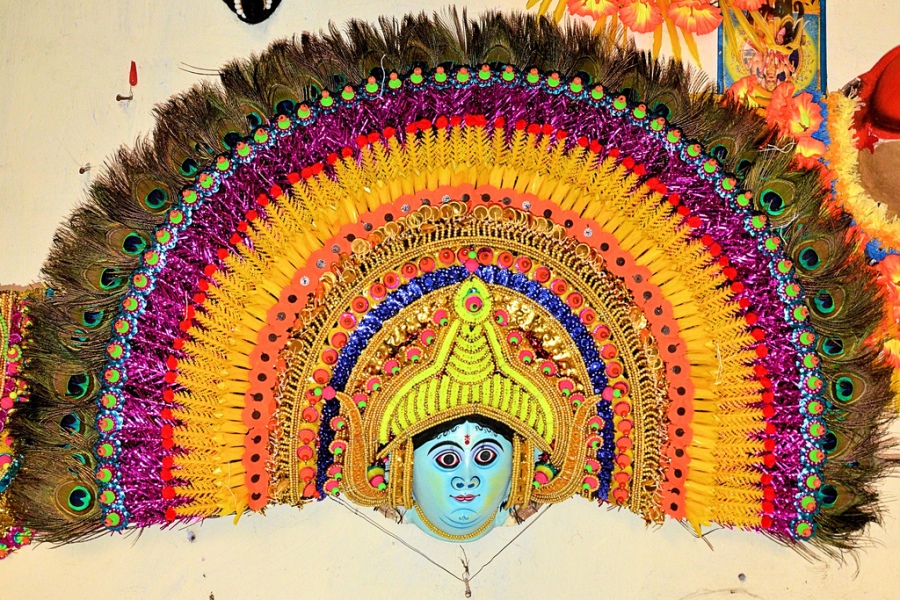
Mukhosh: A Journey into Bengal’s Masked Heritage

The cultural display at Kolkata's Netaji Subhas Chandra Bose International Airport featured traditional Bengali masks, or mukhosh, promoting Bengal’s rich heritage. This initiative, by the Biswa Bangla Marketing Corporation, highlights mask-making's historical significance in spirituality and folklore, preserving this unique craft for future generations amid modern challenges and growing global interest.

World’s Oldest Paycheck Paid in Beer — How Ancient Mesopotamians Brewed the First Salary

Archaeology just proved that after a hard day’s work, humanity’s favourite reward hasn’t changed in 5,000 years. The world’s oldest known paycheck — a cuneiform-inscribed clay tablet from ancient Mesopotamia — shows that workers were once paid in beer. From Uruk to today’s taprooms, the story of beer is truly the story of civilisation itself.

Gondal: Cultural Heritage in Gujarat

Gondal, a city in Gujarat, is known for its rich cultural heritage and impressive architecture, most notably majestic palaces and vintage vehicles. A part of the Kathiawar Agency under the Bombay Presidency, the roots of Gondal's history go back to the medieval period. Its most famous ruler, Sir Bhagwat Sinhji (1888-1944), was known for his progressive reforms. Today, the city is appreciated for its splendid palaces like Naulakha Palace, structures like the Huzoor Palace & Orchard Palace, and the Vintage Car Museum, all offering glimpses of the city's regal past.