Castles of Kurdistan: Stones that Speak

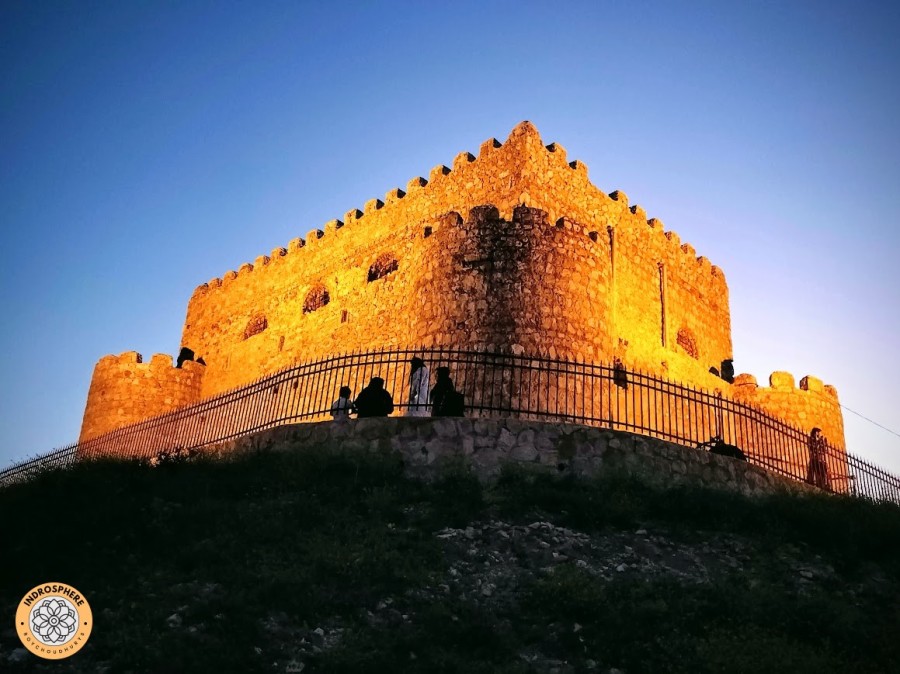
The medieval period evokes vivid images of knights and castles in European history, but the Middle East has a rich medieval tapestry as well, particularly in the Kurdish emirates. A recent exploration of Dere, Dwin, and Khanzad castles in Erbil revealed their historical significance. Dere Castle, dating back to the 19th century, stood witness to the region's past, while Dwin Castle's connection to Kurdish hero Salahuddin and Khanzad Castle's defensive role underscored Kurdistan's enduring heritage and resilience.
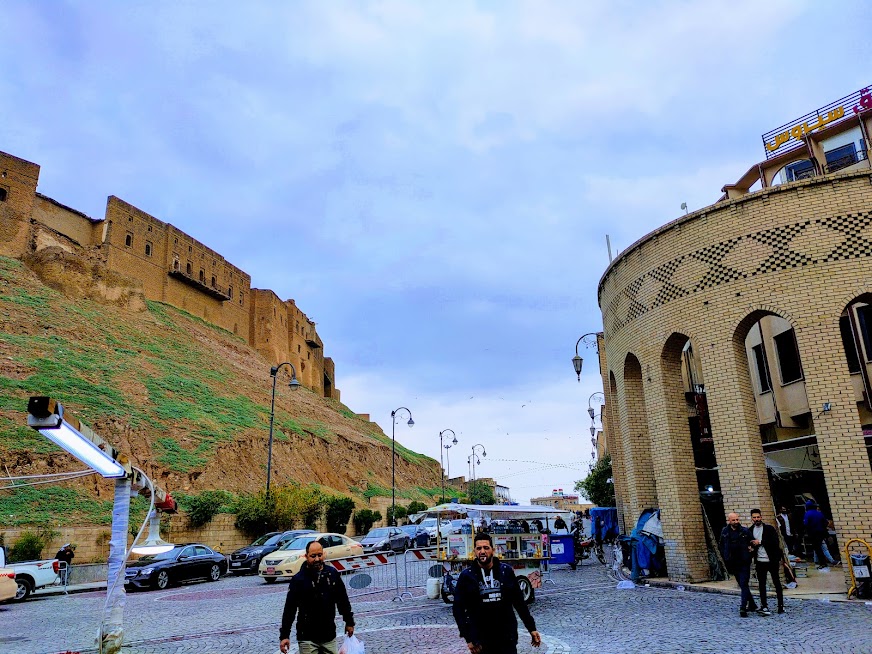
Qaysari Bazaar: Where Tradition Meets Modernity in Erbil

The Old Souq or Qaysari Bazaar, in Iraq's Erbil, is a historic marketplace dating back to the 8th century. As one of the world's oldest inhabited areas, it reflects a rich cultural mixture from various civilizations. Renowned for its vibrant atmosphere and diverse offerings, the Souq features a blend of traditional and modern commerce. Its enticing architecture, array of shops, friendly locals, and culinary delights make it an immersive experience that transcends shopping, offering visitors a journey through time and the cultural tapestry of Kurdish heritage.

Betla National Park: Exploring the Wild Beauty

Embarked on a three-day excursion with the family to Betla National Park in Jharkhand, India. As a component of Project Tiger, this park provides opportunities for observing wildlife, enjoying tranquil natural landscapes, and exploring the historical Palamu Fort. Noteworthy aspects of the trip encompass savoring local cuisine, participating in jeep safaris, encountering diverse animals, and visiting picturesque waterfalls in the vicinity. The overall experience underscores Betla's appeal to nature and wildlife enthusiasts due to its abundant flora, wildlife, cultural heritage, and a range of adventurous activities.

Silent Sentinels of Semaphore: Forgotten Towers of East India

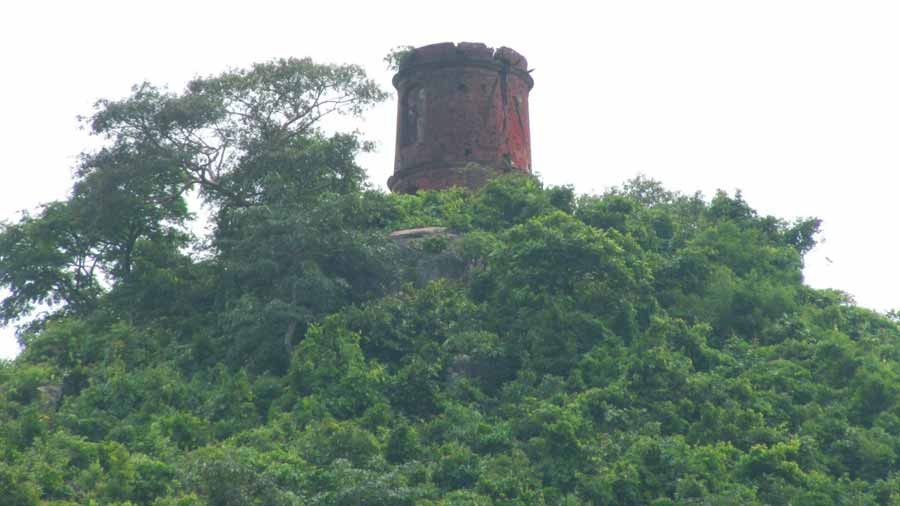
Long before telegraph wires crisscrossed India, messages once leapt across the sky — tower to tower — through an ingenious system of wooden arms and coded light. Scattered across Bengal, Bihar, and Jharkhand, the forgotten semaphore towers tell a fascinating story of early communication, colonial ingenuity, and human ambition to bridge distance through vision and precision.

Mushussu: The Serpent-Dragon of Babylon

Four years ago, in the National Museum of Iraq, I encountered the mythic creature Mushussu, a hybrid of serpent, lion, and eagle in Mesopotamian mythology. Its name, stemming from Akkadian, connects to divine power and protection associated with Marduk, Babylon's chief god. Mushussu embodied attributes of vitality and guardianship, prominently featured on the Ishtar Gate. Today, its legacy persists in museums and digital platforms, bridging ancient mythology with modern cultural imagination.

Warli in Transit: Ancient Lines, Timeless Stories, & a Journey Through Art

Airports evoke a unique introspection, marked by the transition between known and unknown. While waiting during a layover at Doha, the author reflects on a Warli art mural seen at Indira Gandhi Airport. This ancient art form, practiced by the Warli tribe, symbolizes ancestral memory and nature's sacredness. The mural serves as a cultural ambassador, reminding travelers of enduring stories and the traditions connecting them to India's heritage.

Rock edicts of Emperor Ashoka

Emperor Ashoka’s Legacy: Edicts of Compassion & Governance

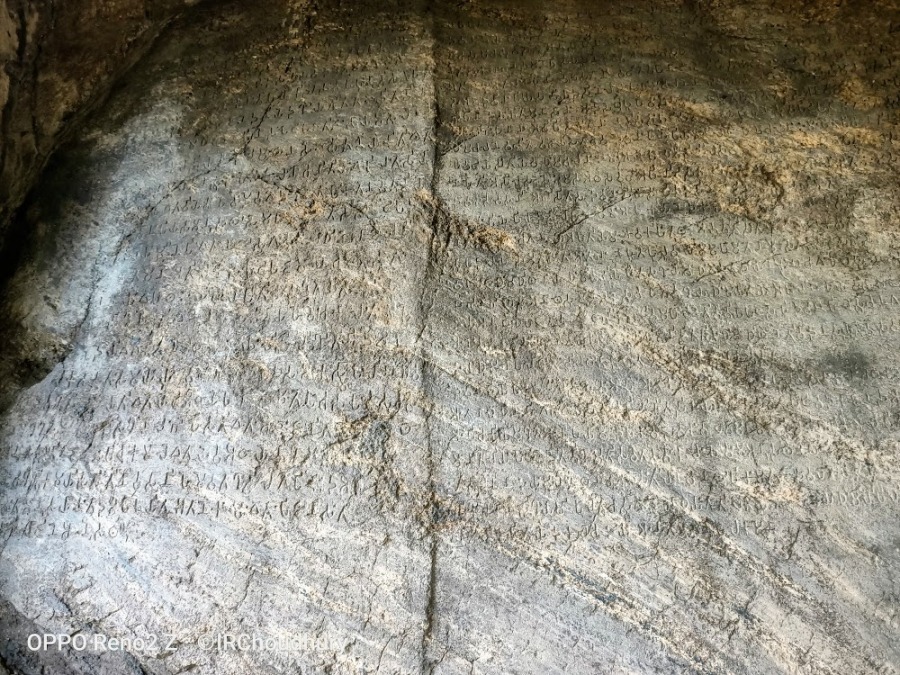
India's rich history and vibrant culture are encapsulated in the legacy of Emperor Ashoka, particularly through the Rock Edicts found near the Dhauli Stupa in Odisha. These inscriptions, written in ancient scripts, highlight Ashoka's transformative journey from a conqueror to a proponent of peace and compassion, advocating for religious tolerance and ethical governance. His teachings remain relevant today, offering timeless lessons of empathy and understanding against modern conflicts.

The Mask of Warka: A Timeless Gaze into Mesopotamian Civilisation

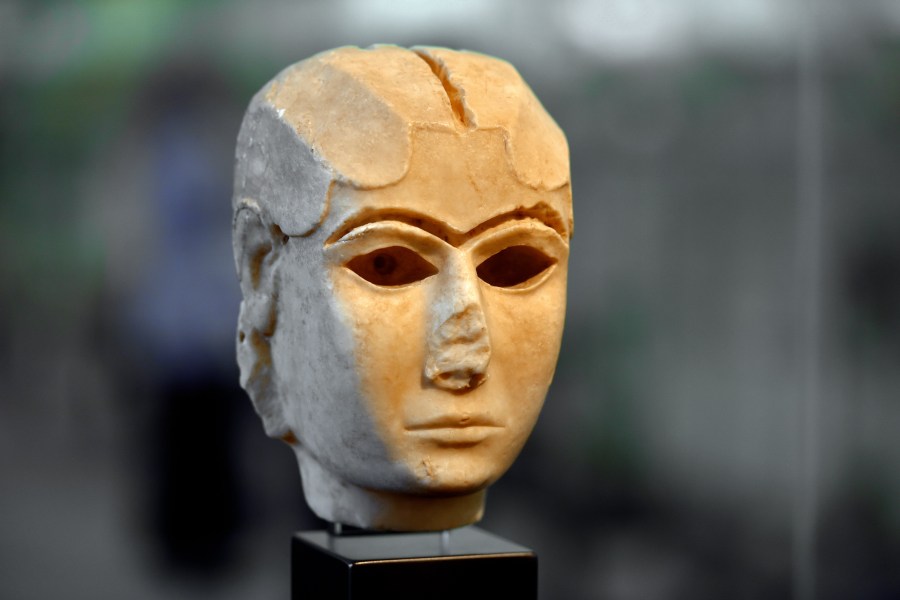
The Mask of Warka, dating to 3100 BCE, is a pivotal archaeological find from Uruk in ancient Mesopotamia. Likely representing the goddess Inanna, its striking naturalism showcases early sculptural artistry and religious symbolism. The mask reflects the civilization’s complex beliefs and artistic evolution, bridging the divine and human realms in ancient culture.

Chhau Dance & Environment: A Unique Experience at Paryavaran Mela

The Paryavaran Mela (Environment Fair) was held in Ranchi, India, and hosted by the non-profit, Yugantar Bharti, in collaboration with the Nature Foundation. The event included environmental conservation stalls, handicraft vendors from various states, and cultural performances, particularly the Chhau dance. The Chhau dance, a significant symbol of community identity and unity, originates from Eastern India and is recognized as a UNESCO Intangible Cultural Heritage.

Between Stones & Stars: A Journey to Pakri Barwadih’s Megalithic Marvels

The Pakri Barwadih megalithic site in Jharkhand, India, reveals the advanced astronomical knowledge of ancient civilizations. Dating back over 3,000 years, these monumental stones were used as observatories and calendars, marking seasonal festivals. Despite its significance, the site faces threats from urbanization and neglect. Preservation efforts are crucial to maintain this cultural heritage, which offers insights into human history and wisdom. Protecting Pakri Barwadih ensures future generations can appreciate this archaeological treasure.