Ancient Recipe: The Legacy of Curry from Farmana

Approximately 4,000 years ago, the earliest known curry was discovered in Haryana, India, revealing ancient culinary practices through archaeological findings. This dish, made from aubergine, ginger, and turmeric, showcases a rich heritage linked to India’s agricultural roots. The methods used by ancient cooks highlight the cultural significance of food, connecting us to past generations. Curry has evolved, yet its essence remains a timeless celebration of flavors.

Shukto: A Bengali Legacy of Bitter Delights

Bengalis are known for their love of diverse flavors, particularly their fondness for bitterness in their cuisine. Shukto, a revered first course in Bengali meals, is a bitter-sweet vegetable medley featuring a blend of vegetables simmered in a mildly spiced, creamy sauce. The dish, rooted in ancient Ayurvedic principles, holds deep cultural significance and is cherished for its unique taste, nutritional benefits, and nostalgic associations.

Tracing the World’s First Written Recipes: The Mesopotamian Cookbook

In the cradle of civilization, Mesopotamia not only gave the world writing and the wheel but also its first cookbook. Etched on clay tablets around 1700 BCE, these ancient recipes reveal a sophisticated palate — stews rich with lamb, onions, and spices — and remind us that humanity’s story has always been written in the language of food.

Pacha: A Taste of History, Culture, & Iraqi Hospitality

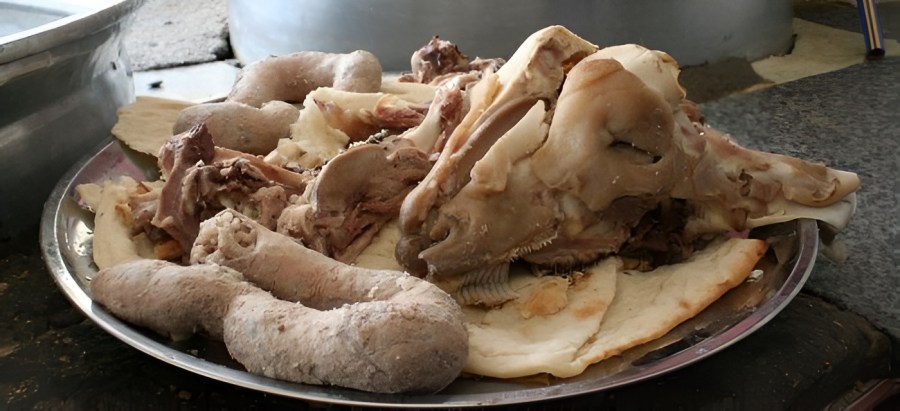
In a bustling Baghdad marketplace, the rich aroma of Pacha introduced a traditional Iraqi dish renowned for its cultural significance. Made from sheep's head and trotters, Pacha reflects resourceful cooking and embodies community and celebration in Iraq. It symbolises hospitality and connection to heritage, offering a unique dining experience that transcends mere sustenance, representing resilience and the enduring strength of Iraqi culture across time.