Sacred Groves of Jharkhand: A Cultural Heritage

The sacred groves of Jharkhand, known as Sarna or Sarna sthal, are revered sites within Adivasi culture. These forested areas, rich with sal trees, embody the spiritual essence and ecological wisdom of the indigenous tribes. Sarnas serve as temple groves for various tribes, reflecting a blend of tribal and Hindu traditions. These groves are not only cultural and religious sites but also vital hubs of biodiversity, requiring preservation for future generations.

Nabapatrika: When Nine Sacred Leaves Bring the Goddess Home

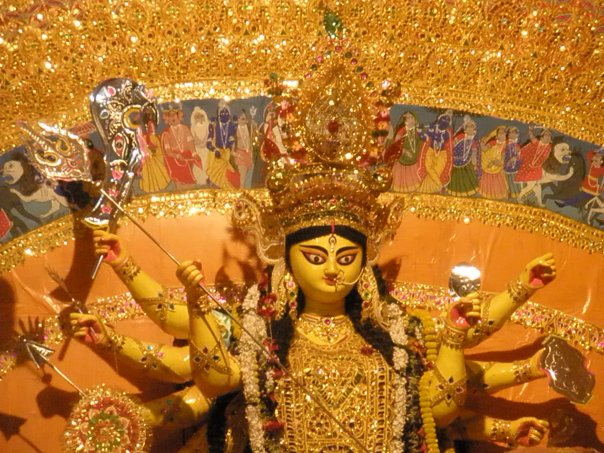
As autumn begins in Bengal, Durga Puja brings joy and festivity with rituals like Nabapatrika, representing Goddess Durga through nine sacred plants. This tradition, unique to Bengal, honors fertility and nature and reflects familial bonds in a charming folktale. Although overshadowed by idol worship, Nabapatrika endures, emphasizing ecological reverence and the cyclical essence of life. It intertwines culture and spirituality, vital to the rich tapestry of Durga Puja celebrations, celebrating the triumph over evil and community.

Durga Puja in Varanasi: Traditions & Memories

Durga Puja in India transforms the atmosphere into a vibrant celebration of the Goddess Durga, embodying divine feminine power. A personal experience in Varanasi highlighted the city's rich traditions and spiritual energy, driven by family connections and rituals like Kumari Puja. This journey created cherished memories filled with devotion, joy, and cultural heritage, while anticipation for the upcoming festivities stirs emotions once more.

Walking Through Time in Old Goa: From Basilica of Bom Jesus to Se Cathedral

Old Goa, once Velha Goa, offers a deep historical experience through its iconic monuments, including the Basilica of Bom Jesus and Sé Cathedral. The Basilica, housing St. Francis Xavier's tomb, and the grand Sé Cathedral, dedicated to St. Catherine, showcase the intricate blend of faith, power, and artistry that defines the city’s enduring legacy.

Deori Mandir, Ranchi-Tata Highway (NH33), Jharkhand, India

Deori Mandir: Sixteen Arms of Faith, Folklore, & Divinity

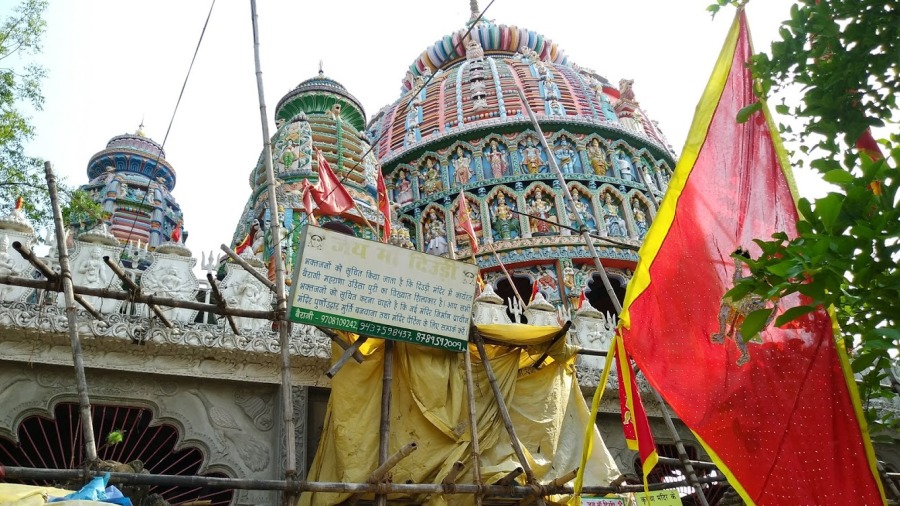
The Deori Mandir, nestled on the Jamshedpur-Ranchi Highway, is home to the revered sixteen-armed Maa Deori, a manifestation of Goddess Durga. The temple's unique portrayal defies convention and exudes martial prowess and divine grace. Legends trace its origins to the Mahabharata era, with narratives of Emperor Ashoka and divine intervention during the Kalinga War. The sanctity of the temple resonates through ancient craftsmanship and spiritual symbiosis, attracting pilgrims seeking solace and reverence.

Al-Kadhimiya Mosque: A Sanctuary of Faith & Resilience

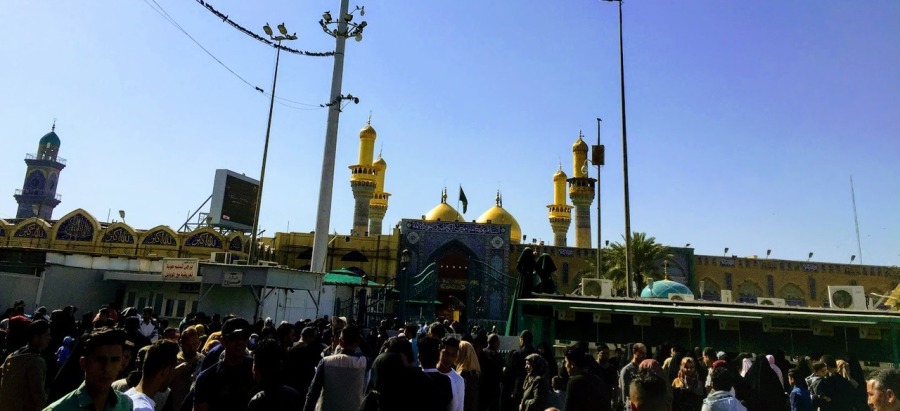
The Al-Kadhimiya Mosque in Baghdad's Kadhimiya district is a significant Shia shrine, housing the tombs of Imams Musa Al-Kadhim and Muhammad al-Jawad. The mosque, originally constructed in the 8th century, features stunning architecture and historical significance. It has been a hub of religious and cultural activity, drawing pilgrims and visitors from around the world. A visit to this remarkable site offers a profound connection to Shia Islam's history and spirituality.

Omkareshwar: Blessed by Gods, & Adorned by Nature

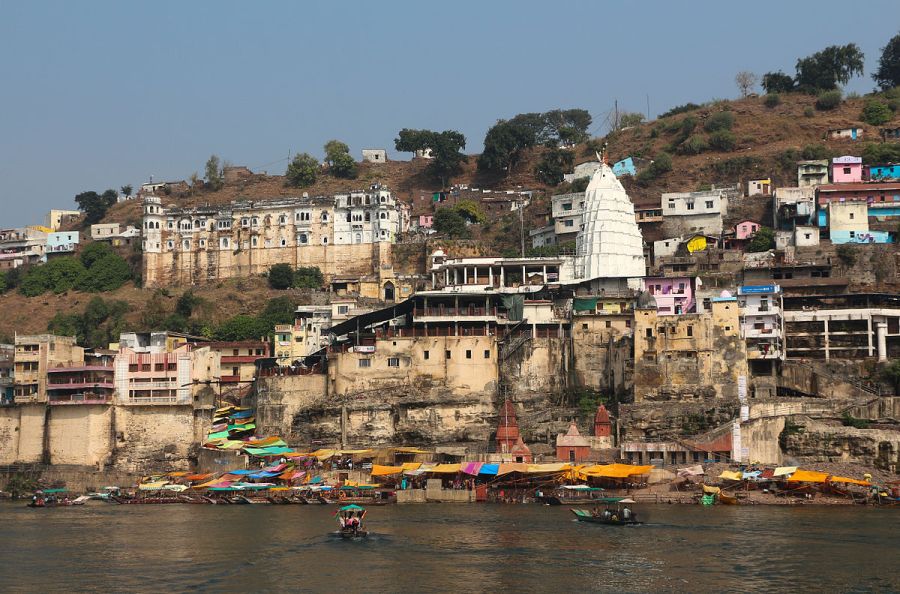
The author recounts their visit to Ujjain, an ancient city in Madhya Pradesh, India, known for its historical prominence and religious significance. He describes their journey to the city via Indore and their exploration of the Omkareshwar Temple, one of the 12 Jyotirlingas dedicated to Lord Shiva. They detail the temple's history, its spiritual significance and the legends associated with it, painting a picture of a destination merging myth, faith, and natural beauty. The trip also included a visit to the Shani temple and a stop at a local dhaba.

Ram Navami Procession in Ranchi

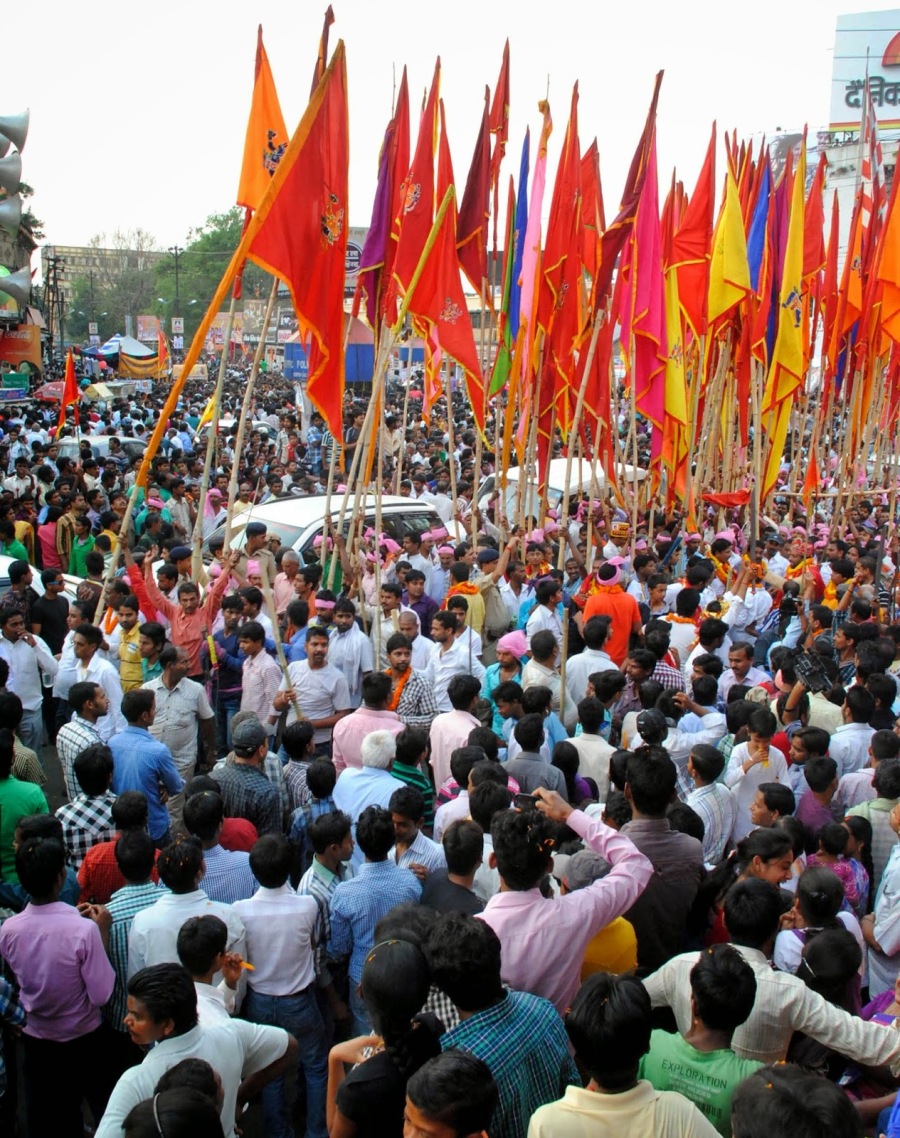
Ram Navami in Ranchi: When Faith Turns into a River of Devotion

The Ram Navami festival in Ranchi embodies a vibrant communal celebration of Lord Rama's birth, marked by the spirited Ratha Yatra and martial displays from local akharas. The city transforms, adorned with saffron flags and lively hymns, drawing people together across diverse backgrounds. At the heart of festivities is Albert Ekka Chowk, where unity and devotion flourish, culminating in a profound experience that highlights the enduring legacy of faith and righteousness.

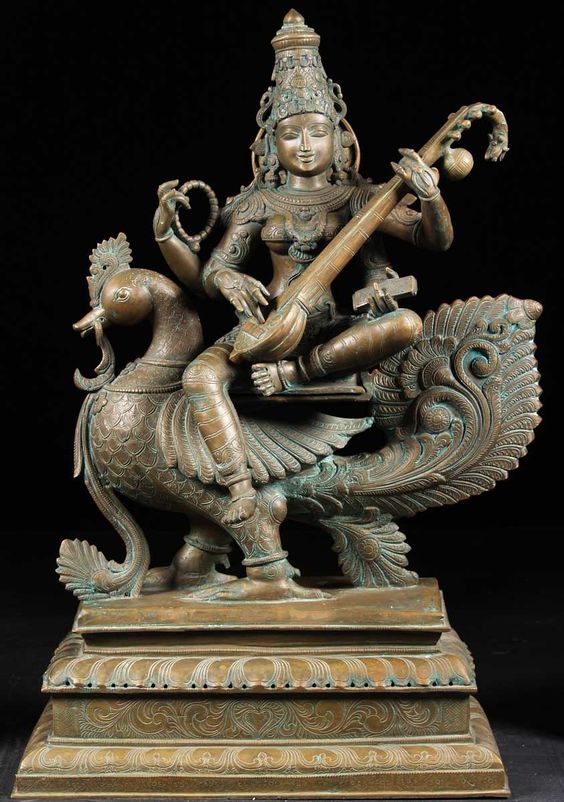
Saraswati: The Goddess of Knowledge & Creativity

Saraswati (also Sarasvati) is the Hindu goddess of learning, wisdom, music, and aesthetics. She is also known as Bharati (eloquence), Shatarupa (existence), Vedamata (‘mother of the Vedas’), Brahmi, Sarada, Vagisvari, and Putkari. Saraswati, the goddess of knowledge and arts, represents the free flow of wisdom and consciousness. Saraswati represents vak or the divine word, but the same inspiration she reflects extends to all Hindu goddesses as arising from chit-shakti, the power of consciousness.

Chhath Puja: The Sun, the River, & the Quiet Democracy of Devotion

There are festivals that celebrate with noise, and then there is Chhath Puja, which celebrates with silence. No firecrackers, no idols—just the river, the sun, and the surrender of the self. If Diwali dazzles with light, Chhath moves in shadows: women standing waist-deep in water, men bearing baskets of fruits and sugarcane, and a faith that asks for nothing but gratitude. It is a festival without priests, without hierarchy, where the setting and rising sun receive equal reverence. In a world obsessed with spectacle, Chhath whispers its truth—that sometimes the deepest devotion lies not in asking, but in simply saying, thank you.