The Calculus of Betrayal: Radhanath Sikdar & the True Story of Mount Everest

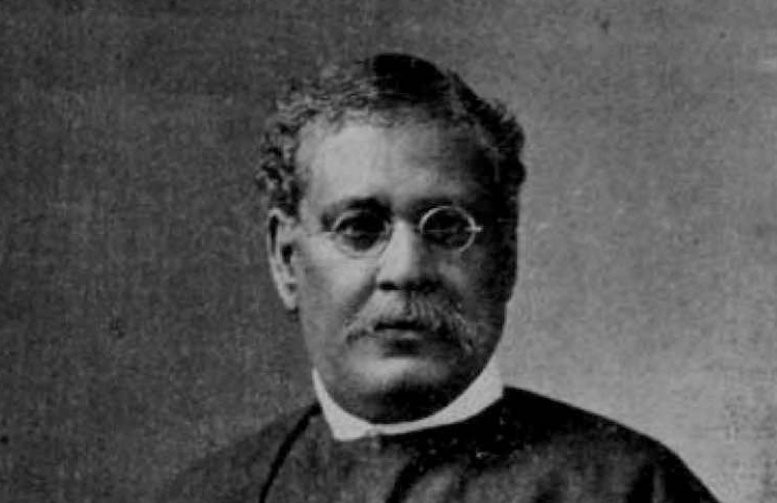
In 1852, Radhanath Sikdar, a Bengali mathematician, discovered that Peak XV was the world's highest mountain, later named Mount Everest. His groundbreaking calculations were overshadowed by British imperial bias, as the peak was named after a British official. Sikdar's contributions to the Great Trigonometrical Survey were largely ignored, encapsulating the colonial erasure of non-Western intellectual achievements.


Khona: The Silenced Oracle of Ancient Bengal

Khona, also known as Leelavati, was a brilliant figure in ancient Bengal whose contributions to agriculture, meteorology, and astrology became legendary through her sayings in "Khonar Bachan." Her rise as an intellectual threatened patriarchal norms, leading to tragic silencing by Varahamihira, who mutilated her tongue out of jealousy. Despite this, her wisdom endured, influencing generations and symbolizing the resilience of female intellect against oppression.

Ratan Sarkar: The Washerman’s Role in Colonial Trade

The history of British colonialism in India reveals overlooked stories of individuals like Ratan Sarkar, a washerman who became the East India Company's first interpreter in Calcutta. During the 17th century, Shaista Khan's administration allowed European trade, transforming Bengal into a trading hub. Despite initial communication barriers, Ratan's adeptness bridged cultural gaps, fostering trade relationships crucial to British interests. His legacy endures in Kolkata through street names, illustrating the significant role of local figures in colonial history.

Rashbehari Ghosh: The Forgotten Flame of Bengal’s Renaissance

Rashbehari Ghosh, a prominent Bengali advocate and philanthropist, defied English authority and excelled in the field of law. He opposed the partition of Bengal, supported the Swadeshi movement, and championed technical education, leaving a lasting impact on Indian society. He established educational institutions and supported scientific endeavors. His legacy as a nationalist and freedom fighter endures through institutions like Jadavpur University.

Lahiri Diwas: A Rebirth in the Shadows of Gonda Jail

Lahiri Diwas is an annual commemoration in Gonda jail, Uttar Pradesh, honouring the fearless revolutionary Rajendranath Lahiri, known for his major role in India's independence movement and execution on December 17, 1927. Lahiri, born in 1901 in Bengal, demonstrated exceptional courage, breaking societal norms and conducting revolutionary activities, including the notorious Kakori train robbery. Despite his death sentence, he expressed undying resilience and belief in a liberated India. Today, this event celebrates his sacrifice, featuring cultural festivities and reinforcement of his enduring belief.

Sir RN Mookerjee: Kolkata’s Architectural Pioneer

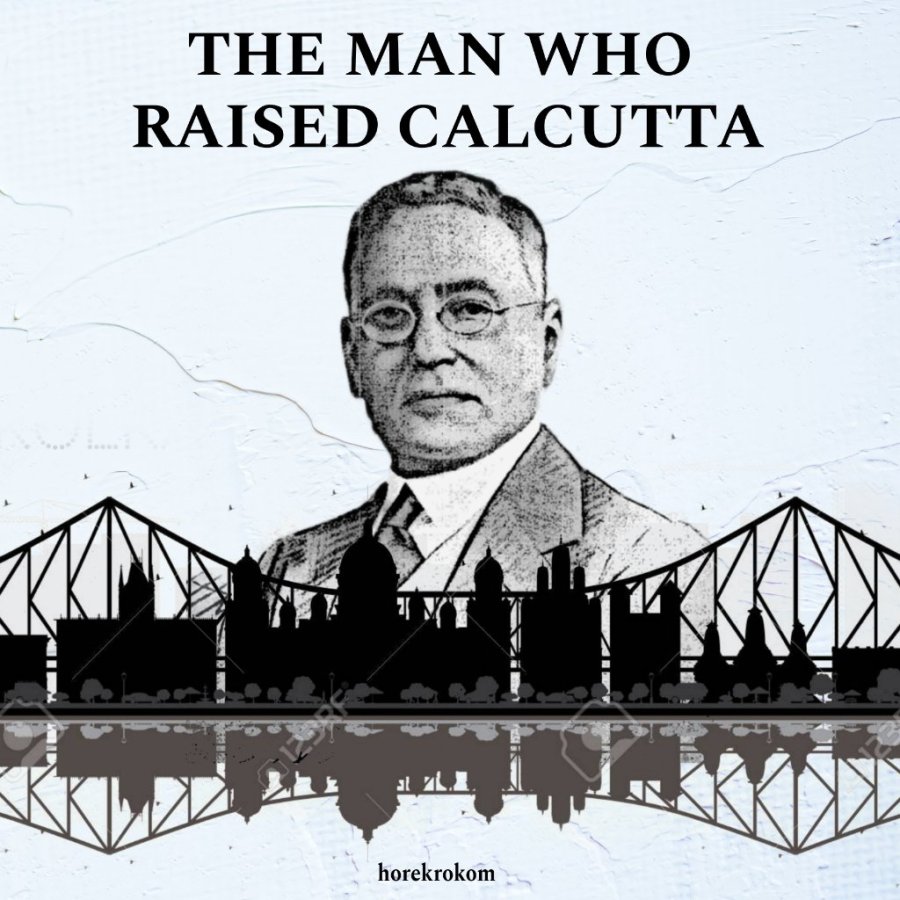
Sir Rajendra Nath Mookerjee, born in the 19th century, was a visionary architect and engineer whose contributions transformed Kolkata’s skyline. He co-founded Martin & Company, leading to landmark projects like the Howrah Bridge and Victoria Memorial. Mookerjee also co-founded IISCO, integral to India's steel industry. Despite his significant achievements in engineering, sports, and academia, he remains largely unacknowledged in history, highlighting the need for his legacy to be celebrated.

Discovering Mohenjo-Daro: The Legacy of Rakhal Das Banerji

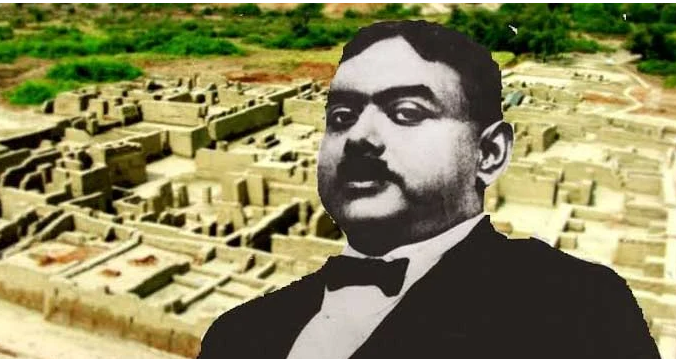
Rakhal Das Banerji was a significant Indian archaeologist who made important contributions to the understanding of ancient civilizations, particularly the Indus Valley Civilization. He is renowned for discovering Mohenjo-Daro, one of the oldest and best-preserved urban settlements, pushing back the civilization's date by 2000 years. Despite his monumental work, Banerji didn't receive adequate recognition during his lifetime, with modern Indian scholars now working to restore his legacy.