Earth’s First Beaches: The Singhbhum Craton & the Dawn of Continents

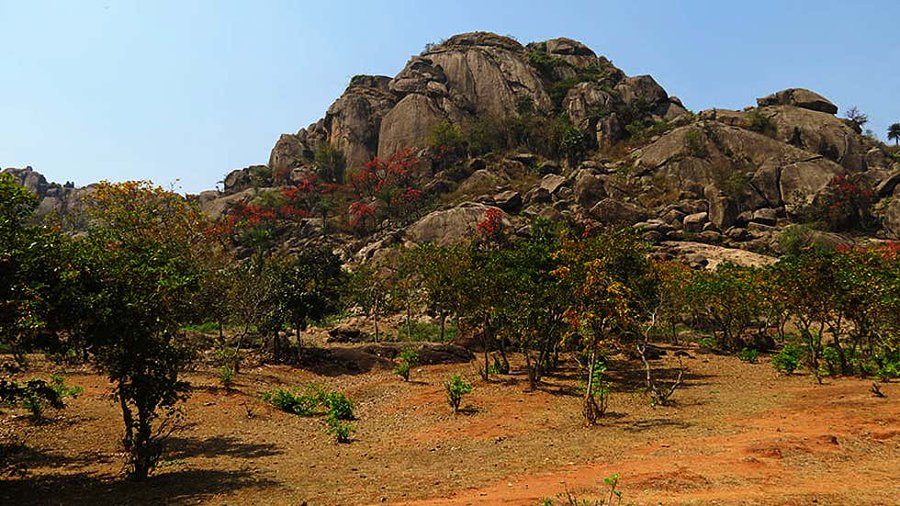
A groundbreaking study led by Priyadarshi Chowdhury reveals that the Singhbhum region in Jharkhand, India, may have hosted Earth's first beaches around 3.2 billion years ago, much earlier than previous estimates of 2.5 billion years. This research, published in PNAS, challenges established theories of continental formation and highlights Singhbhum as a crucial geological landmark. The findings suggest a significant timeline shift in Earth's early evolution, impacting our understanding of the origins and development of life on the planet.
Jeita Grotto: A Journey Into Nature’s Hidden Masterpiece

Jeita Grotto, nestled in Keserwan, Lebanon, is a remarkable limestone cave network featuring spectacular stalactites and stalagmites, and a subterranean river. Home to one of the largest hanging stalactites globally, the 9-kilometre-long system encompasses two main galleries - the upper and lower, which can be explored by foot and boat respectively. Noted for its natural beauty, it's one of Lebanon's leading attractions. Rediscovered in 1836, Jeita Grotto's karstic structures were formed over millions of years due to the dissolution of limestone.

Exploring Udayagiri & Khandagiri Caves: A Journey Through Ancient India

The Udayagiri Khandagiri Caves of Odisha, dating to the 2nd century BC, are a complex of 33 caves carved from sandstone hills by Jain monks. Known for intricate carvings, these caves were historical dwelling places, meditation chambers, and religious centers. The premises bear an entry charge, housing several remarkable features like inscriptions, rock-cut sculptures, and Jain structures. They offer a deep dive into an ancient era, with the caves' creations reminiscent of famous structures like Ajanta and Ellora.

Whispers of the Sea: My Sunset Escape to Beirut’s Pigeon’s Rock & Corniche

The Raouché, a timeless symbol of Lebanese capital Beirut is its most famous landmark. Off the coast of Raouché, there is a natural landmark called the Pigeons' Rock, its Arabic name translates to rock and is believed to be a derivative of the French word rocher. It is also known as the Rock of Raouché. This 60-meter high offshore rock couple was formed in the prehistoric era by a geologic movement. These two huge rock formations, made of sedimentary pale soft porous limestone rock eroded over millions of years, stand like gigantic sentinels on the Mediterranean Sea.