COVID-19 & Bioterrorism: A Historical Perspective

The COVID-19 pandemic, originating in Wuhan, China, could serve as a roadmap for future bioterrorism. The disease's impact was faster and more widespread than events like 9/11. The source of infections, historically believed to spread through air or personal contact, has been exploited for warfare and assassinations. The 14th century's "Black Death" and the 1934 Amarendra Pandey murder case serve as early instances of bio-weapons deployment. The negligible cost and potential for vast harm elevates the potential threat of biological weapons in the modern context.

A Global Tribute to Health Workers & Researchers

Google has introduced a series of Doodles to honor the efforts of health workers and researchers combating COVID-19. This gesture acknowledges their crucial contributions. Communities worldwide are showing support through applause and social media tributes. Beyond health workers, essential personnel such as grocery store staff and police officers are also recognized. The ultimate sacrifice of some health workers is acknowledged, highlighting the selfless dedication of those in the medical field.

Social Distancing Through History: A Vital Pandemic Strategy

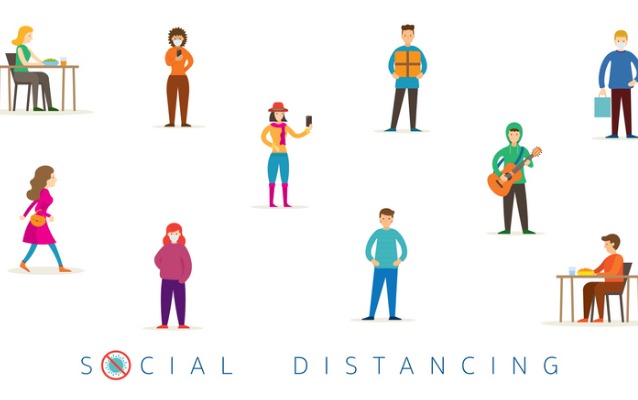
The Spanish flu pandemic of 1918 infected a quarter of the world's population, with a death toll of 50-100 million. Social distancing during the pandemic highlighted its importance. Today, social distancing aims to reduce interactions and slow the spread of infections. Historical practices and proven scientific principles support this approach. Technology enables us to stay connected while adhering to public health guidelines. It is a collective responsibility to prevent the spread of COVID-19 and protect vulnerable populations.

COVID-19 Hygiene Practices: Effects on OCD Symptoms

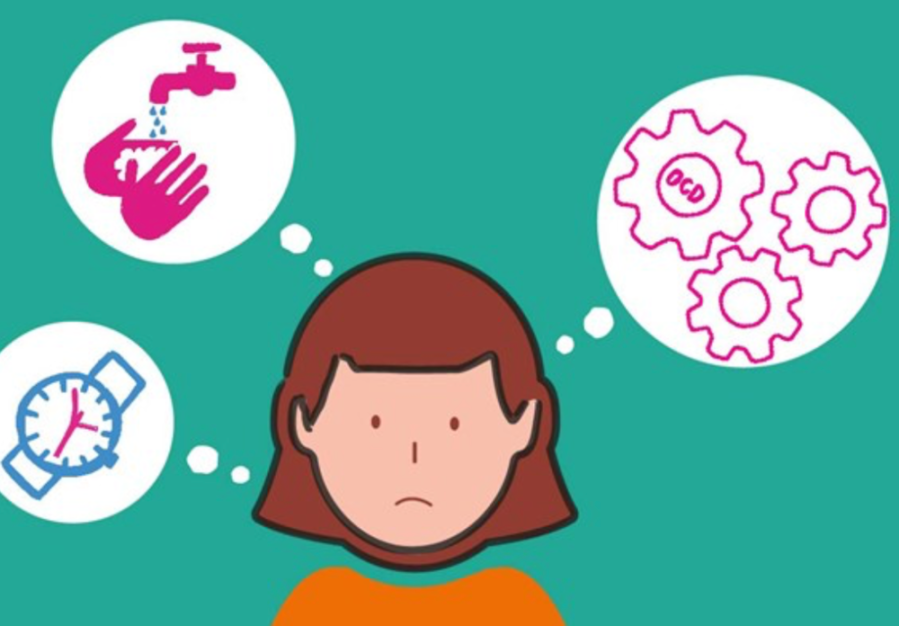
The COVID-19 pandemic has reshaped daily life, prompting heightened hygiene awareness. For those with OCD, excessive hand washing and contamination fears can intensify. The constant news and social media updates can exacerbate anxiety for all. Behaviors once seen as extreme are now normal. Public health messaging may unintentionally reinforce obsessive behaviors. It's crucial to balance precautions with mental well-being and offer compassion and support for those struggling with OCD.