Anjan Dham: The Hill Where Hanuman is Said to Have Been Born

Hanuman, a highly venerated deity in Hinduism, is believed by many to have been born in Jharkhand, specifically in a place known as Anjan Dham. This hill is thought to be where Hanuman's celestial mother Anjana gave birth following a penance. The location, which features a temple dedicated to Anjana, attracts numerous pilgrims each year. However, other locations across India, like Anjaneri and Anjanadri, also claim to be Hanuman's birthplace, reflecting the diversity and complexity of Hindu mythology.

Akitu Festival: Traditions & Rituals of Ancient Babylon

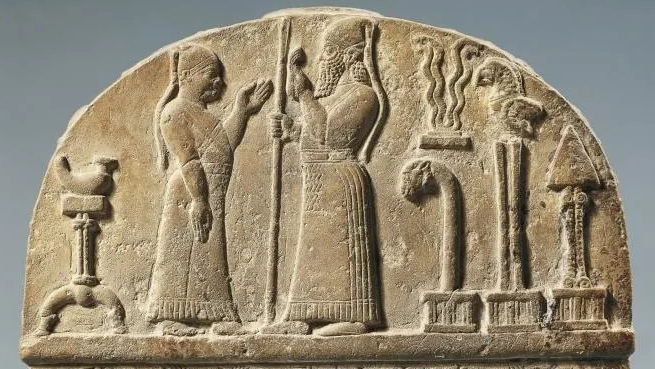
The Akitu Festival was an essential spring and New Year's celebration in ancient Mesopotamia. Held in March/April, the festival celebrated the sowing of barley, nature's rebirth, and the renewal of life, while honoring the supreme god Marduk and his son Nabu. It lasted 12 days, each with its unique rituals and ceremonies, conducted in the city of Babylon and a special temple outside the city. The festival also served a significant social and political role, including a ritual humiliation of the king to demonstrate his mortality and reliance on Marduk.

The Timeless Spirit of Durga Puja: From Ancient Origins to a UNESCO-Listed Heritage

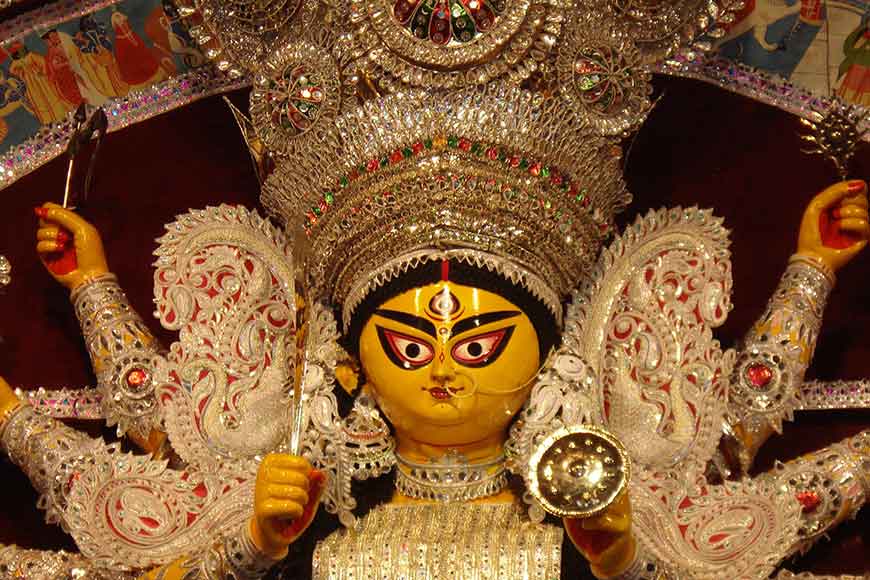
Durga Puja is a vibrant festival embodying history, spirituality, and community, celebrating the goddess Durga as a symbol of strength and motherhood. Its roots trace back to ancient times, evolving through various cultural influences in Bengal. The festival transformed during the colonial era into a symbol of national pride. Today, Durga Puja combines artistic expression with devotion, showcasing innovations in decoration and culture. Recognised by UNESCO, it remains a powerful reflection of Bengal’s identity and unity.

Durga Puja of Kolkata: A Celebration of Spirit, Art, & Heritage Now Honoured by UNESCO

Kolkata's Durga Puja has been inscribed on UNESCO's Representative List of the Intangible Cultural Heritage of Humanity as of December 15, 2021, marking a proud moment for India and Bengal. This festival honors Goddess Durga's victory over evil, blending spirituality and artistry. Beyond its religious significance, Durga Puja fosters community bonding and creativity, featuring elaborate themes and craftsmanship. Its recognition underscores its role as a cultural treasure, promoting unity among diverse groups.

Nalhateshwari: Where the Goddess Breathes

The Nalateshwari Temple is situated in the Nalhati town of Birbhum district in West Bengal. The town Nalhati is named after Nalateshwari temple, one of the 51 Sakti Peethas. It is around 25 km from Tarapith. The Shakti Pitha (Sanskrit: शक्ति पीठ) are significant shrines and pilgrimage destinations in Shaktism, the goddess-focused Hindu tradition. This temple is believed to be erected at the spot where the ‘Nala’, (Vocal chord with part of the tracheae), the throat of Goddess Sati (Sakti) had fallen. In Bengali, the larynx is known as 'Nala'. This is the source from which the deity is known as Maa Nalateswari and the place is also named Nalhati, for the shrine.

A Journey to Baba Baidyanath Temple: Deoghar Experience

The writer recounts a recent visit to the spiritual city, Deoghar, in India's Jharkhand state, after a traumatic experience there 20 years prior involving dacoits. Deoghar is renowned for the Baba Baidyanath Temple, a complex of 22 significant temples, most notably one of the twelve Jyotirlingas. The writer's trip included participation in numerous rituals at the temple. Though the ritual features some chaos, the overall experience was profoundly spiritual and culturally rich.

The Hidden Sanctuary of Jadugora: A Journey to the Rankini Temple

The Rankini Temple in Jadugora, Jharkhand, is a sacred Hindu temple venerating Rankini Devi, with a rich history and tranquil atmosphere. Located near the Hata-Jadugora State Highway, it stands as a significant blend of historical and spiritual heritage. It is a must-visit for those seeking spiritual solace and unique cultural experiences in Jharkhand.

Mundeshwari Temple: India’s Oldest Functional Hindu Temple

The journey along National Highway No. NH 19 toward Prayagraj turned profound when a visit to the Mundeshwari Temple became a spontaneous detour. Recognized as the world’s oldest functional Hindu temple, this site embodies rich history and unique architecture. The temple, dedicated to Shiva and Shakti, serves as a cultural and spiritual hub. The visit offered insights into India's heritage, leaving a lasting awe-filled impression.