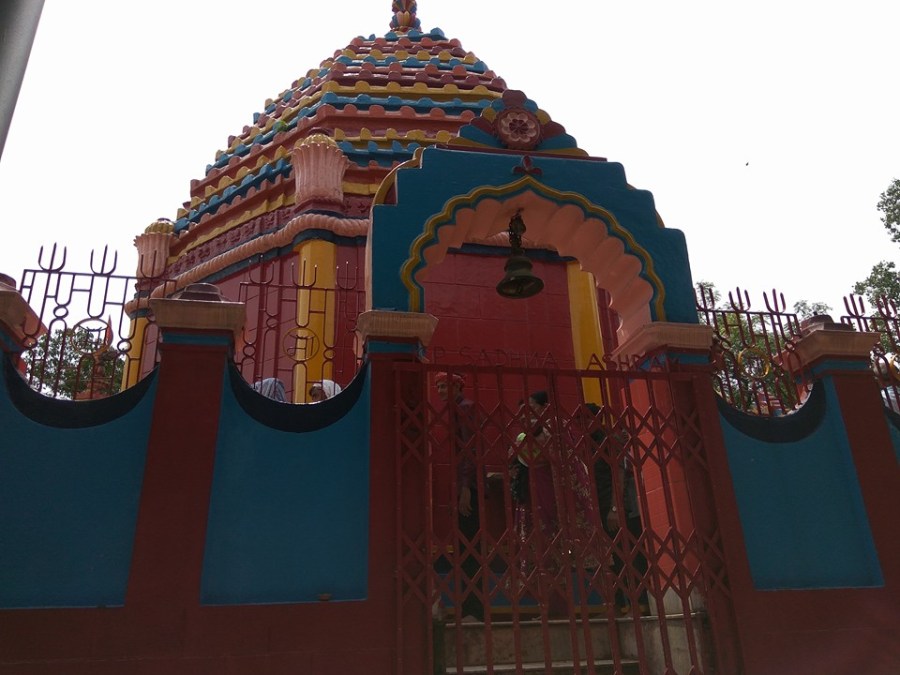
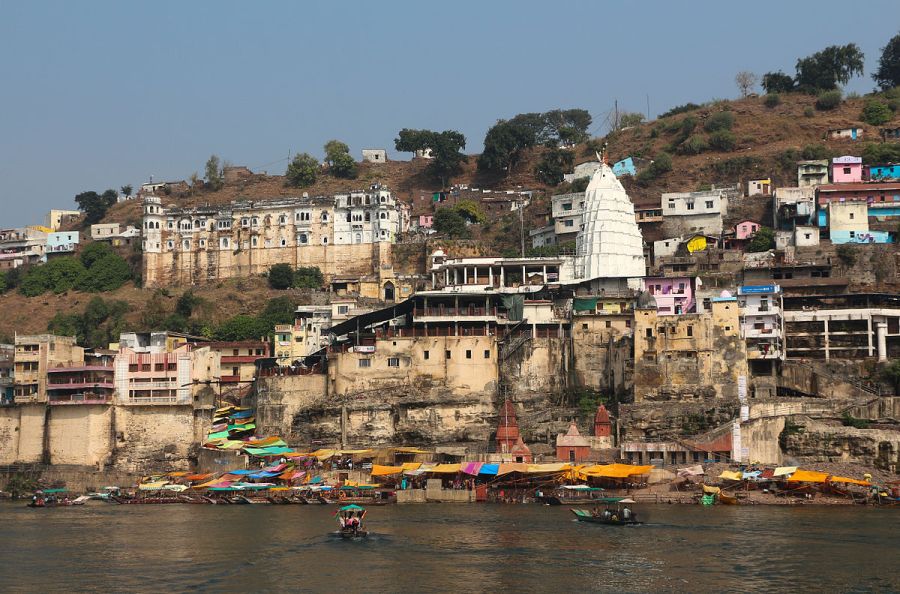
Omkareshwar: Blessed by Gods, & Adorned by Nature

The author recounts their visit to Ujjain, an ancient city in Madhya Pradesh, India, known for its historical prominence and religious significance. He describes their journey to the city via Indore and their exploration of the Omkareshwar Temple, one of the 12 Jyotirlingas dedicated to Lord Shiva. They detail the temple's history, its spiritual significance and the legends associated with it, painting a picture of a destination merging myth, faith, and natural beauty. The trip also included a visit to the Shani temple and a stop at a local dhaba.
Saraswati: The Goddess of Knowledge & Creativity

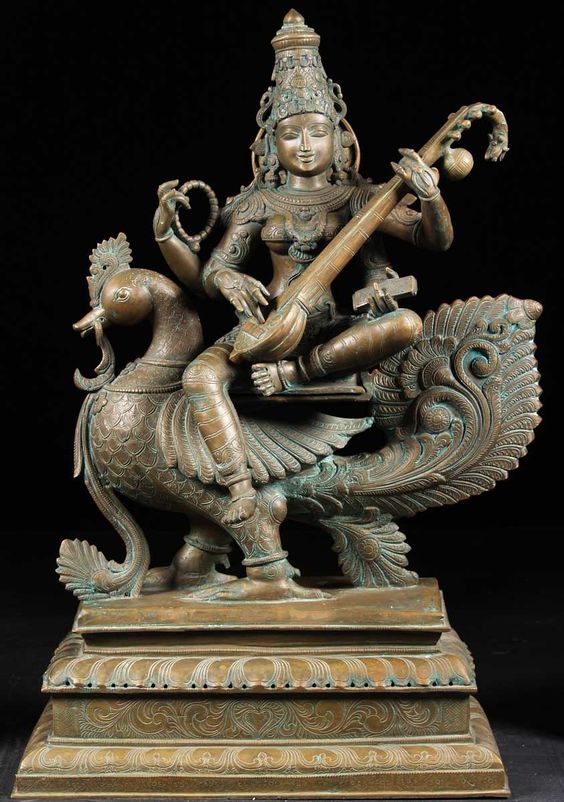
Saraswati (also Sarasvati) is the Hindu goddess of learning, wisdom, music, and aesthetics. She is also known as Bharati (eloquence), Shatarupa (existence), Vedamata (‘mother of the Vedas’), Brahmi, Sarada, Vagisvari, and Putkari. Saraswati, the goddess of knowledge and arts, represents the free flow of wisdom and consciousness. Saraswati represents vak or the divine word, but the same inspiration she reflects extends to all Hindu goddesses as arising from chit-shakti, the power of consciousness.

Dashavatara

Dashavatara & Evolution: Ancient Wisdom Meets Modern Science

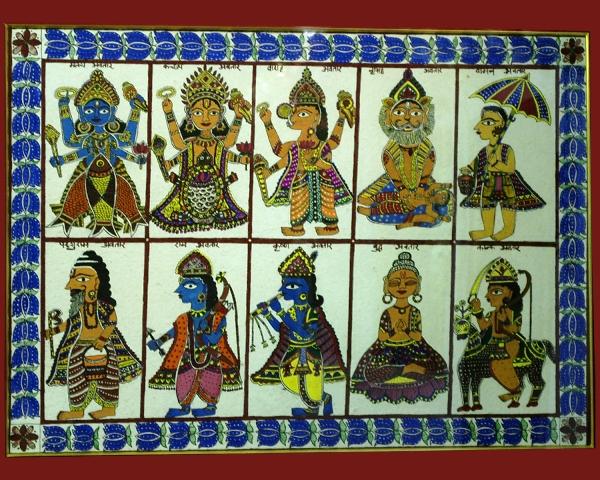
Srinivasan, also known as Vasu, grapples with the clash between his hectic life as a genetic scientist and his mother's traditional influence. A conversation with his mother reveals parallels between Dashavatara, the ten incarnations of Lord Vishnu, and Charles Darwin's theory of evolution. This intersection of ancient mythology and modern science offers a profound synthesis, illuminating timeless truths about human development and the natural world.

Chhath Puja: The Sun, the River, & the Quiet Democracy of Devotion

There are festivals that celebrate with noise, and then there is Chhath Puja, which celebrates with silence. No firecrackers, no idols—just the river, the sun, and the surrender of the self. If Diwali dazzles with light, Chhath moves in shadows: women standing waist-deep in water, men bearing baskets of fruits and sugarcane, and a faith that asks for nothing but gratitude. It is a festival without priests, without hierarchy, where the setting and rising sun receive equal reverence. In a world obsessed with spectacle, Chhath whispers its truth—that sometimes the deepest devotion lies not in asking, but in simply saying, thank you.

Shubho Bijoya: Bidding Adieu to Goddess Durga

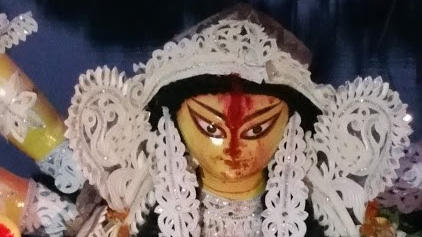
Durga Puja is a central festival for Bengalis, culminating in the immersion of Goddess Durga's idol on Dashami. What follows, Bijoya, is a significant celebration marking the victory of good over evil, infused with a sense of melancholy due to Durga's departure. During Bijoya, meals, greetings, and "kolakulis"(embraces symbolizing warmth and unity) are shared. Though the festivities span nearly a month, modern practices often condense it to one day. Bijoya reaffirms positivity, unity, and joy in the community.

Annakoot: A Feast for the Divine & the Devotees

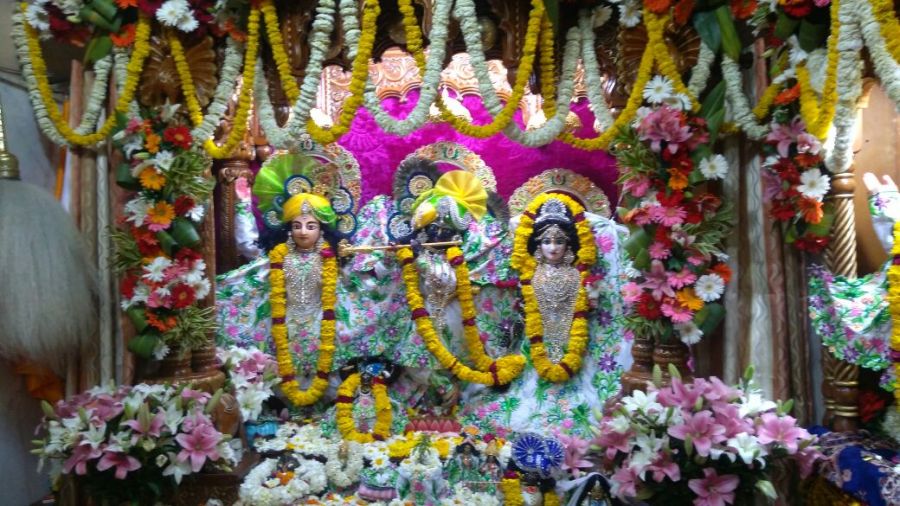
Every year, after Diwali, the Gaudiya Math in Prayagraj celebrates Annakoot, or the “Mountain of Food,” on October 24. This tradition, originating from a childhood episode of Lord Krishna, honors his protection of the cowherd community from Indra's fury. Devotees prepare Chhappan Bhog, a feast of fifty-six offerings, which is presented to Krishna. Annakoot embodies gratitude, community spirit, and divine connection, celebrating abundance and harmony.

Idol of Goddess Lakshmi at the mandap of Maitraee Club, Doranda, Ranchi

Kojagori Lakshmi Puja: A Night of Divine Blessings & Abundance

Kojagori Lakshmi Puja, observed predominantly in Bengal, is a significant festival dedicated to Goddess Lakshmi, who symbolizes wealth, prosperity, and good fortune. It coincides with the harvest festival, marking both the beginning of harvest season and the end of the monsoon period. Celebrated with fervor, the festival sees homes adorned with lights, the reciting of mantras, and sharing of traditional sweets. This celebration fosters community spirit, promoting the values of generosity, compassion, and caring for others.

My Navratri Pilgrimage: Chhinnamasta Temple

The Chhinnamasta Temple, located in Rajrappa, Jharkhand, stands as a revered pilgrimage site dedicated to Goddess Chhinnamasta, an embodiment of power, courage, and wisdom. It captivates devotees with its unique architecture and tranquil, scenic location. Famous for its annual Rajrappa Mela during Navaratri, the temple also appeals to tourists with its historical and religious significance, waterfalls, and surrounding greenery. The temple is noted for its tantric connections, similar to renowned sites like Kamakhya Temple in Assam.

Soul-Stirring Pilgrimage to Somnath Dham: Abode of Lord Shiva

Our pilgrimage to Somnath Dham was a transformative experience blending history, spirituality, and serendipity. We eagerly visited the revered Somnath Temple, absorbing its rich legends and significance. An unexpected stop in Chorwad heightened our journey by tracing the birthplace of Dhirubhai Ambani. As we reflected post-aarti, the divine aura and resilience of the site resonated deeply, leaving us spiritually rejuvenated and profoundly grateful.