When the Ant Stopped Singing: A Corporate Parable for Our Times

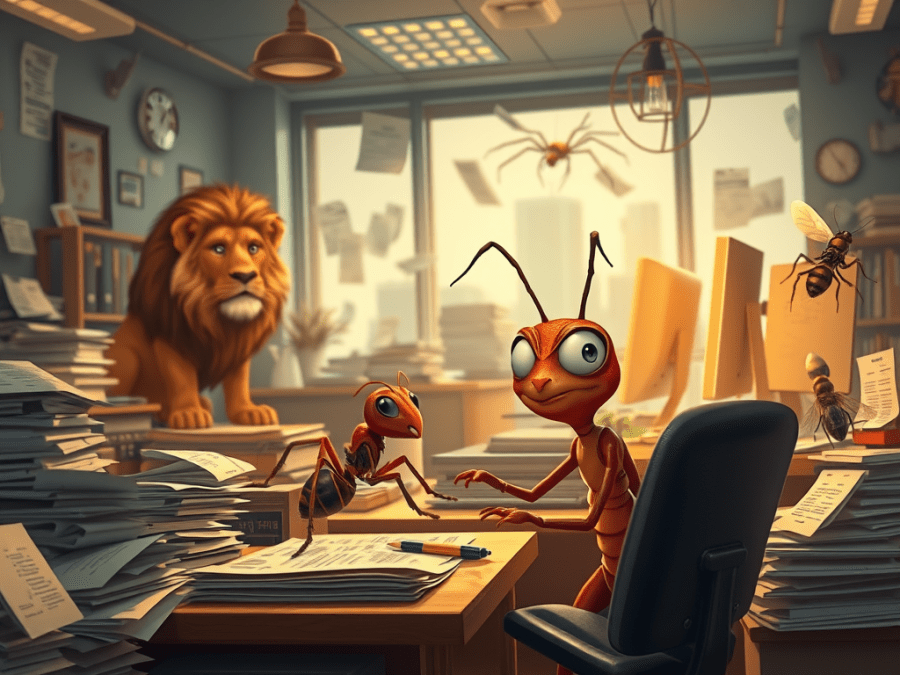
In a company run by a lion, a hardworking ant thrived until a cockroach was appointed as its supervisor, bringing in unnecessary bureaucracy. Although there were initial gains, the ant soon felt overwhelmed and became less productive. Eventually, an owl consultant suggested downsizing, resulting in the ant's termination. This story illustrates how excessive management, and red tape can hinder productivity and negatively impact even the most capable employees.
Understanding the Rashomon Effect in Medicine

The Rashomon effect highlights how a single medical issue can be interpreted differently by various specialists, leading to fragmented diagnoses. In the case of Mr. Singh, each specialist offered distinct insights. A general physician’s holistic approach is essential to unify these perspectives, ensuring comprehensive patient care amidst the complexities of modern healthcare.

The (Un)Retirement of Mr. Sundaram: A Tale of HR Policies Gone Awry

Mr. Sundaram, a renowned HR General Manager, struggled with retirement, imposing strict policies on household staff. Joining an airline’s HR department, he proposed drastic workforce rationalization, including pilots multitasking. Despite confusion and disbelief, he enforced novel strategies, leaving staff bewildered. His rigorous HR approach stirred uncertainty about the airline's future.

Embracing Change: India’s New National Education Policy & Thinking Outside the Box

The Indian Union Cabinet approved the National Education Policy (NEP) on August 5, 2020, aiming to revolutionize education with a focus on critical thinking and creativity. The NEP encourages unconventional problem-solving methods, exemplified by a student's response to a physics exam question. This policy aims to foster innovation, multidisciplinary learning, and flexibility, preparing students for the challenges of a rapidly changing world.

The Silent Exodus: India’s Migrant Struggle During COVID-19

The COVID-19 pandemic unveiled the struggles of India's invisible migrant workforce, forcing millions to undertake perilous journeys back to their rural homes as cities ground to a halt. This human exodus highlighted systemic neglect and inequity faced by daily wage earners. As the nation reflects, there’s an urgent call for reform that prioritizes the dignity and welfare of these workers, ensuring their visibility and protection in future policies.

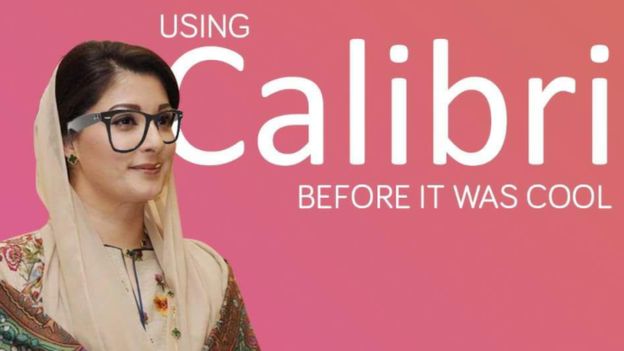
The Calibri Font Scandal: A Typeface That Shook Politics

In 2017, Pakistan's Prime Minister, Nawaz Sharif, faced disqualification after the Panama Papers revealed his family's offshore companies. The controversy intensified over a document dated 2006, typed in the Calibri font, not widely available until 2007. This raised suspicions of forgery, highlighting the influence of technology in political crises. Ultimately, the Calibri font became emblematic of Sharif's downfall, showcasing the interplay between technology, governance, and accountability in modern politics.

Navigating the Maze of Global Climate Politics: A Game Theory Perspective

On June 1st, President Donald Trump announced the US withdrawal from the Paris climate agreement, igniting global outcry and reigniting discussions around global cooperation. The move, justified by potential economic losses, has drawn sharp criticism. The situation resembles the "Prisoner's Dilemma" from game theory, prompting a critical question: Can nations find a path back to cooperation despite the allure of short-term gains and the complexities of global politics?