
Imagine getting quality healthcare without leaving your home! Sustaining Life in Ranchi is now offering home visits, combining modern technology with personalised care. Learn more about this convenient and compassionate approach to healthcare.

Healthcare and welfare are two interconnected aspects of social systems that aim to promote the well-being and improve the quality of life for individuals within a society. When healthcare is unaffordable or inaccessible, welfare programs may step in to provide support for vulnerable populations. Healthcare refers to the maintenance or improvement of health through medical services, preventive measures, and treatments. Welfare refers to a range of social support programs and policies designed to assist individuals and families facing economic hardship or other challenges.
Imagine getting quality healthcare without leaving your home! Sustaining Life in Ranchi is now offering home visits, combining modern technology with personalised care. Learn more about this convenient and compassionate approach to healthcare.

Dr. V K Gupta, a former army doctor, defied cancer with a groundbreaking therapy developed by ImmunoAct, IIT Bombay, and Tata Memorial Hospital. The innovative CAR-T cell therapy achieved remission for Gupta, marking a significant advancement in Indian cancer treatment. This cutting-edge method shows promise for resistant cancers, offering renewed hope for patients.

In a hospital, patients Sumitra and Ashish discover the importance of maintaining medical records. Sumitra uses a notebook, but a nurse introduces them to Medibriefcase, a digital healthcare platform. They digitize their health histories, increasing their control over their wellbeing. This shared endeavor sparks a friendship, demonstrating the power of medical record-keeping and unexpected bonds.

Digital healthcare platforms are online services that provide access to health information, diagnosis, treatment, and care delivery. They can include websites, apps, telemedicine, wearable devices, and electronic health records. Digital healthcare platforms have the potential to improve national healthcare by enhancing the efficiency, quality, accessibility, and affordability of health services. The digital healthcare platforms need to be designed and implemented with care and caution, taking into account the needs and preferences of users, providers, and policymakers. They also need to be evaluated and monitored for their effectiveness and impact on national healthcare.
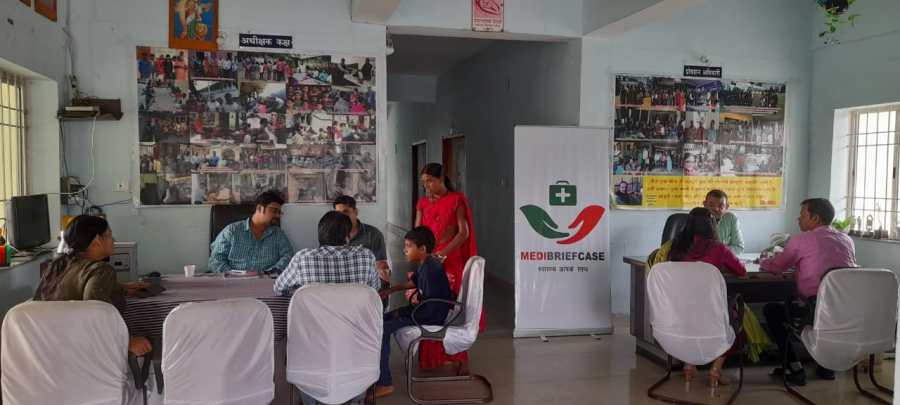
India's healthcare system faces challenges with disparities in urban and rural infrastructure, and limited access to medical services. The shift towards a patient-centric model and digital empowerment offers hope for improvement, and the lack of patient data in clinics poses a challenge. Medibriefcase, a digital healthcare initiative, aims to address these issues by providing accessible, affordable, and quality healthcare to underserved communities, starting in Jharkhand. They recently organized a successful free medical check-up camp, with plans for more in the future.

The future of healthcare is shifting towards a proactive model, leveraging digital technologies to empower individuals and improve healthcare outcomes. Digital healthcare encompasses telemedicine, mHealth apps, EHRs, wearable devices, and more. Innovations in AI, big data, and blockchain are driving significant changes, while ethical and interoperability challenges need to be addressed. Embracing digital health can lead to a more efficient and equitable healthcare system.
World Hypertension Day (WHD) on May 17th aims to raise awareness about hypertension, which affects over 1 billion globally. The theme for WHD 2022, "Measure Your Blood Pressure Accurately, Control It, Live Longer," emphasizes accurate measurement and control. WHD promotes public awareness, early diagnosis, and preventive measures to combat this silent killer.
Home healthcare involves medical services provided at home to treat chronic health conditions or help with recovery from illness, injury, or surgery. It includes nursing, therapies, medical social work, wound care, patient and caregiver education, and home health aides. On the other hand, home care focuses on helping individuals with daily activities to ensure they remain safe and comfortable at home, including personal care, housekeeping, transportation, meal preparation, companionship, and medication reminders.
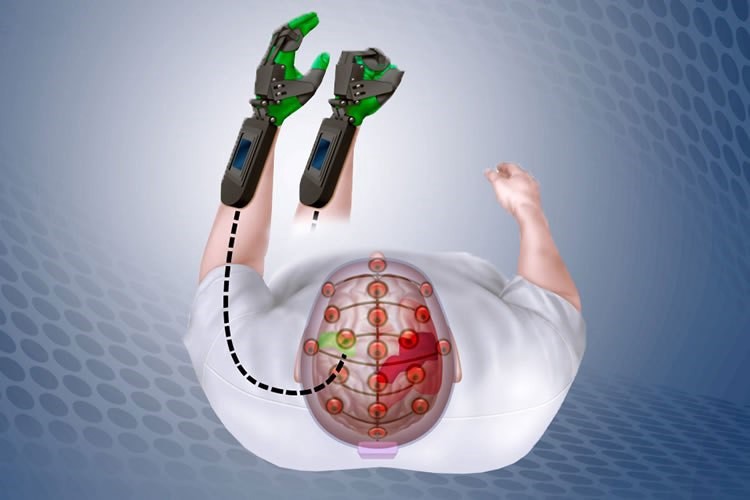
Where once prosthetics were crude and simplistic, now they’re carefully engineered works of art. In fact, with breakthroughs such as neuroprosthetic limbs, there’s even the potential for prosthetics to interface with the human brain.

Most people who catch COVID-19 won’t become severely ill and get better relatively quickly. But significant numbers have had long-term problems after recovering from the original infection — even if they weren’t very ill in the first place. Post-COVID conditions are a wide range of new, returning, or ongoing health problems people can experience four or more weeks after first being infected with the virus that causes COVID-19.
