Echoes in Stone: A Journey to the Isko Caves of Jharkhand

The Isko Caves in Jharkhand, India, are a significant archeological site and a testament to the country's prehistoric art and culture. Situated in a forest, the caves contain rock paintings from the Meso-Chalcolithic period (9000-5000 BCE). Local tribes, upholding the tradition of rock painting, connect the present day to the past via rituals performed at these caves. These caves, discovered in 1991, require proper maintenance and protection to conserve this important heritage site.

The Golden Lyre of Ur: Echoes of a Forgotten Civilization

The Golden Lyre of Ur, discovered in the 1920s by British archaeologist Leonard Woolley, represents the rich musical heritage of ancient Mesopotamian society. The lyre is a gold and wood instrument, with 11 strings, adorned with carved mythical creatures. Found in the Royal Cemetery of Ur, it is one of the oldest stringed instruments ever uncovered and was likely used in significant ceremonies and rituals, including burials. Its intricate design features suggest the substantial role of music in Mesopotamian society, as well as its religious and spiritual significance.

Symbolism of Helmets: Gold vs. Bronze in Mesopotamia

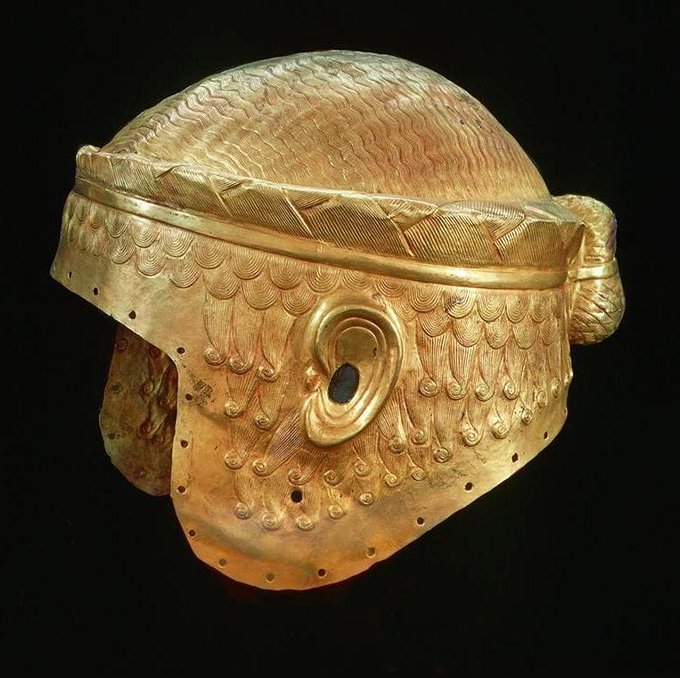
The narrative contrasts two ancient rulers from Mesopotamia: Meskalamdug of Ur, symbolized by his golden helmet representing divine favor and stability, and Sargon of Akkad, marked by his bronze helmet embodying conquest and ambition. Meskalamdug’s reign, though mysterious, reflected a sacred kinship with the gods. In contrast, Sargon’s rise to power emerged from military strength and human will. Their helmets serve as lasting symbols of their legacies, differentiating spiritual governance from earthly conquest.

Exploring the Laws of Eshnunna: Ancient Legal Insights

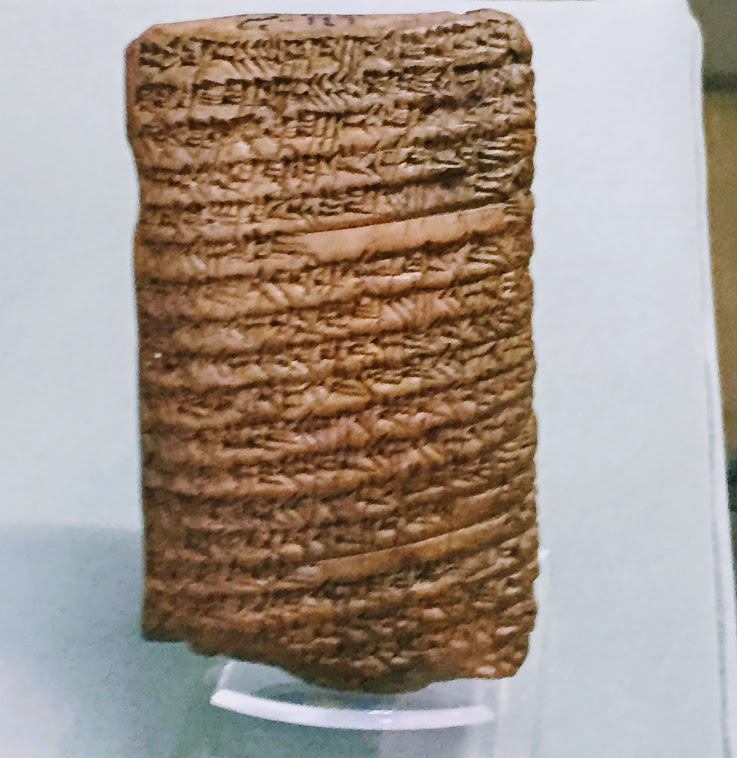
The Laws of Eshnunna, dating back to the 18th century BCE, predate even the famed Hammurabi's Code, offering insights into an early civilization. Comprising 60 articles, they outline a structured society and depart from the punitive severity of later legal codes, opting for fines and compensations. They offer a glimpse into ancient Mesopotamian life and the perpetual struggle for justice.

A Journey Through Time: Uncovering the Soul of Chandraketugarh

Chandraketugarh, an ancient archaeological site in West Bengal, was once a bustling trade hub dating back to the 3rd century BCE. Named after King Chandraketu, the city flourished till the 12th century CE. Boasting artifacts and structures from various civilizations, it showcases a blend of indigenous Indian culture and influences from Greece, Persia, and Southeast Asia. Chandraketugarh, also possibly the ancient capital of Vanga and the kingdom of Gangaridai, remains a mystery due to inadequate research and awareness. The West Bengal state government established a museum in 2017 to protect its artifacts.

Ziggurats: Bridging Heaven & Earth in Ancient Mesopotamia

The Great Ziggurat of Ur, located in present-day Iraq, is a well-preserved relic of Mesopotamian civilization. Built around 2100 BCE, it honored the moon god Nanna and served as an administrative and religious center. The ziggurat's terraced levels and grand staircase show celestial significance, and it was later partly restored. Rediscovered in 1850, it is now a UNESCO World Heritage Site and an important symbol of Iraq's ancient heritage.

Shaduppum: Forgotten City That Whispered Civilization

The ancient city of Shaduppum, now modern-day Tell Harmal in Iraq, was a significant center during the Bronze Age and Early Iron Age. Known for its rich history, intricate urban layout, and its importance in bureaucracy, commerce, and culture, Shaduppum hosted numerous temples and was a hub for Babylonia's treasury and accounting. Its most notable discoveries include clay tablets inscribed with laws, mathematical equations, and remarkable texts such as The Epic of Gilgamesh, all of which provide valuable insights into the Mesopotamian civilization.

Ninmakh: The Divine Mother of Sumerian Mythology

In the ancient land of Mesopotamia, lies the tale of Ninmakh, a revered goddess of healing and creation. As the consort of Enki, she played a pivotal role in shaping gods and humans. Her temple, a sanctuary in Babylon, witnessed rituals and prayers for fertility and healing. Despite the ravages of time, her legacy endures, embodying humanity's quest for meaning. The ruins of her temple stand as a testament to her enduring spirit and the rich Babylonian civilization.

Stepping Back in Time: Lost in the Labyrinth of Erbil Citadel

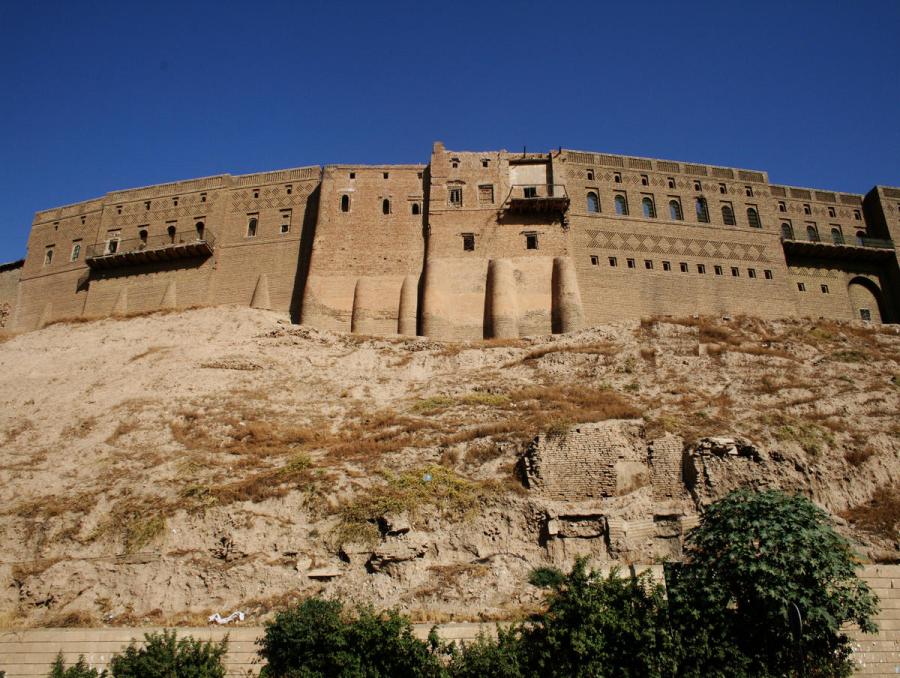
Settled more than 6,000 years ago, Erbil Citadel is thought to be one of the longest continuously inhabited sites in the world. The Citadel, which rises some 30 meters above the plain, is surrounded by a lower town that developed in the modern city of Erbil. The Erbil Citadel, locally called Qelat, is a tell or occupied mound, and the historical city centre of Erbil. Over the millennia, the Erbil Citadel has taken shape, each generation building new structures on top of those of the previous generation.

Budaun: A City Steeped in Historical Legacy & Mysticism

Budaun, a historically rich yet often overlooked district in India, served briefly as a capital during the Delhi Sultanate. Its heritage includes significant Sufi connections and Mughal ties, evidenced by landmarks like the Jama Masjid and the mausoleum of Parwar Khanum. The city reflects cultural diversity, marked by community festivals and historical events. Budaun preserves its legacy, reminding us that its past is alive in today's experiences and stories.