National Doctor’s Day: Celebrating Dr. Bidhan Chandra Roy’s Impact

Dr. Bidhan Chandra Roy, celebrated on India's National Doctor's Day, left a profound mark on medicine and public service. His perseverance and impact are evident from his early days at St. Bartholomew’s Hospital to his contributions to Indian politics and society. Dr. Roy's legacy is honored through institutions bearing his name and his receipt of India's highest civilian honor, the Bharat Ratna. He remains an inspirational figure, showcasing unwavering dedication to his profession and people.
May Day: Netaji’s Impact on Tata Steel Workers

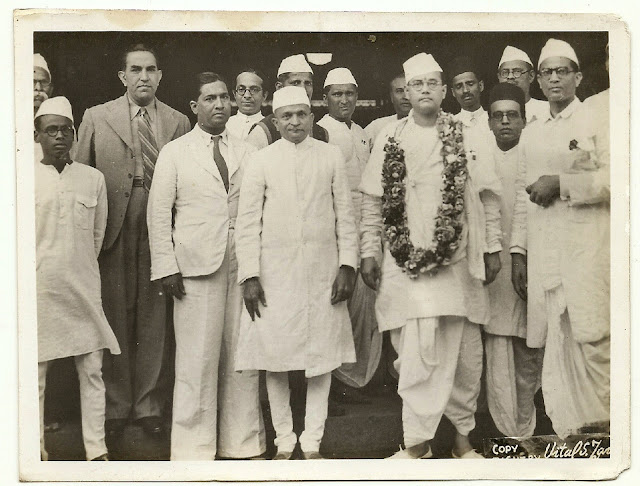
On May Day, we honour the labour movement and Netaji Subhas Chandra Bose's contributions to workers' rights, including his role in the Tata Steel trade union. His advocacy and leadership secured fundamental rights for workers, reshaping India's industrial landscape. His legacy demonstrates the intersection of freedom struggle and labour movements, inspiring solidarity and social justice.

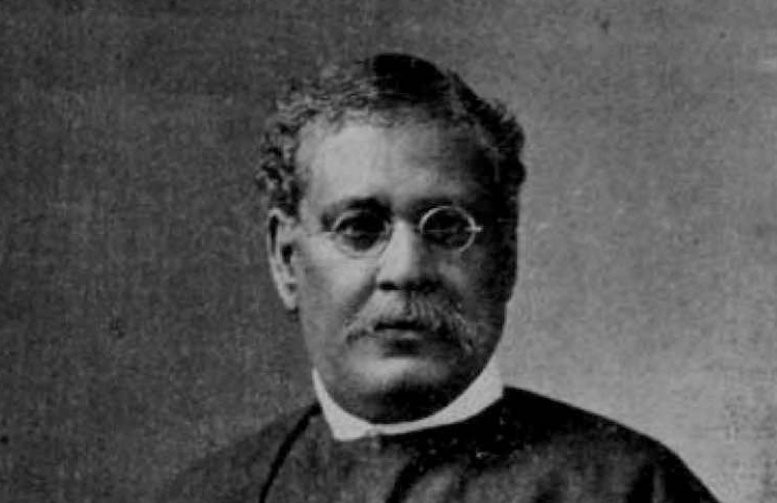
Rashbehari Ghosh: The Forgotten Flame of Bengal’s Renaissance

Rashbehari Ghosh, a prominent Bengali advocate and philanthropist, defied English authority and excelled in the field of law. He opposed the partition of Bengal, supported the Swadeshi movement, and championed technical education, leaving a lasting impact on Indian society. He established educational institutions and supported scientific endeavors. His legacy as a nationalist and freedom fighter endures through institutions like Jadavpur University.

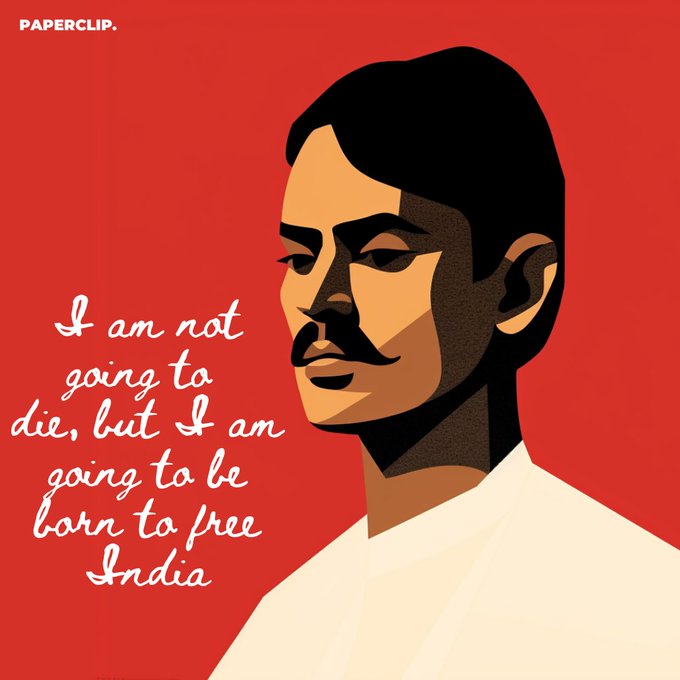
Lahiri Diwas: A Rebirth in the Shadows of Gonda Jail

Lahiri Diwas is an annual commemoration in Gonda jail, Uttar Pradesh, honouring the fearless revolutionary Rajendranath Lahiri, known for his major role in India's independence movement and execution on December 17, 1927. Lahiri, born in 1901 in Bengal, demonstrated exceptional courage, breaking societal norms and conducting revolutionary activities, including the notorious Kakori train robbery. Despite his death sentence, he expressed undying resilience and belief in a liberated India. Today, this event celebrates his sacrifice, featuring cultural festivities and reinforcement of his enduring belief.

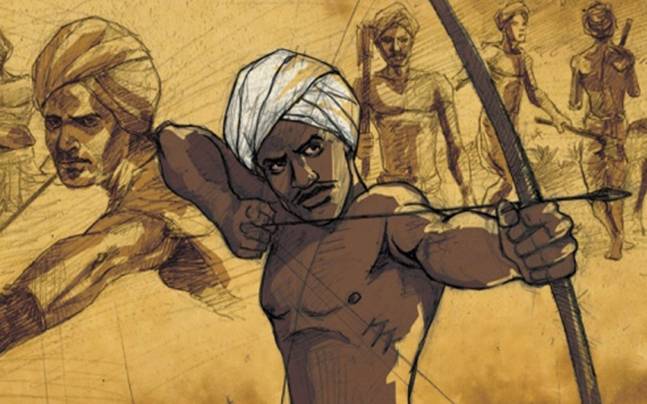
Birsa Munda: A Symbol of Tribal Resistance

Birsa Munda, an iconic figure in tribal resistance, spearheaded a rebellion against British colonial rule in late 19th-century India. Born in 1875, he mobilized tribal communities in resistance to British oppression, campaigned for social reform, and sought to establish self-governance rooted in tribal customs. Despite his relatively short life, his legacy continues to inspire tribal rights and autonomy movements internationally. Today, his contributions to India's tribal movements are recognized, and his birth anniversary is commemorated as 'Janjatiya Gaurav Divas’ (Tribal Pride Day).

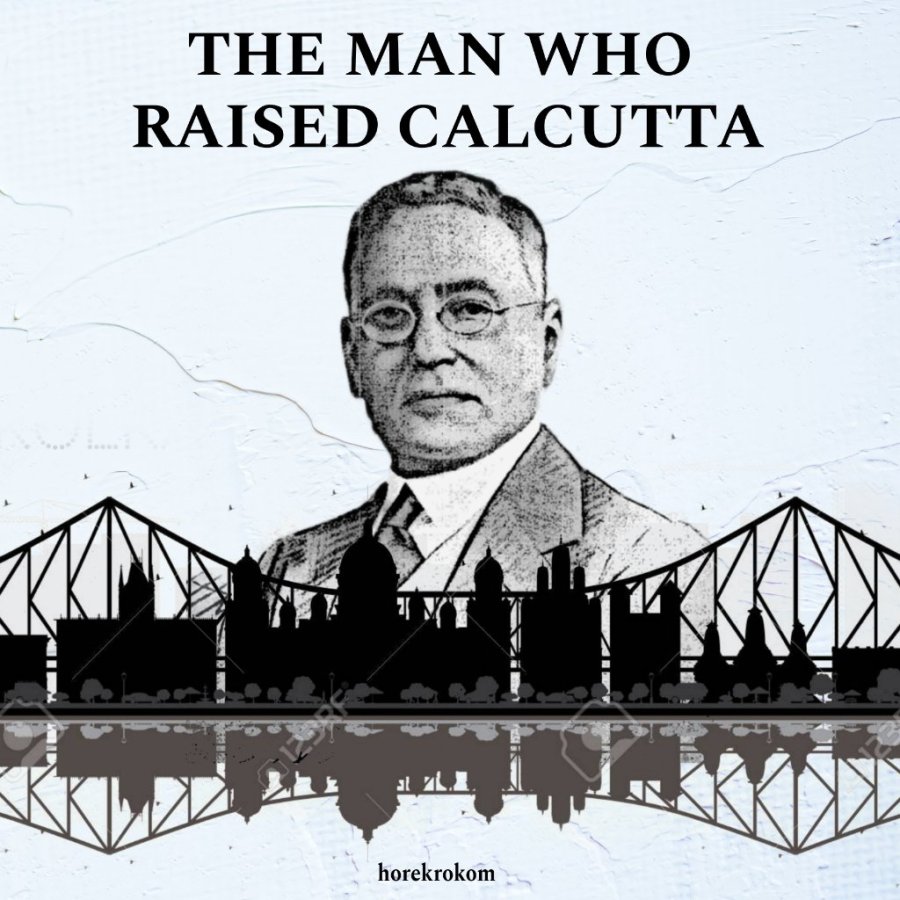
Sir RN Mookerjee: Kolkata’s Architectural Pioneer

Sir Rajendra Nath Mookerjee, born in the 19th century, was a visionary architect and engineer whose contributions transformed Kolkata’s skyline. He co-founded Martin & Company, leading to landmark projects like the Howrah Bridge and Victoria Memorial. Mookerjee also co-founded IISCO, integral to India's steel industry. Despite his significant achievements in engineering, sports, and academia, he remains largely unacknowledged in history, highlighting the need for his legacy to be celebrated.

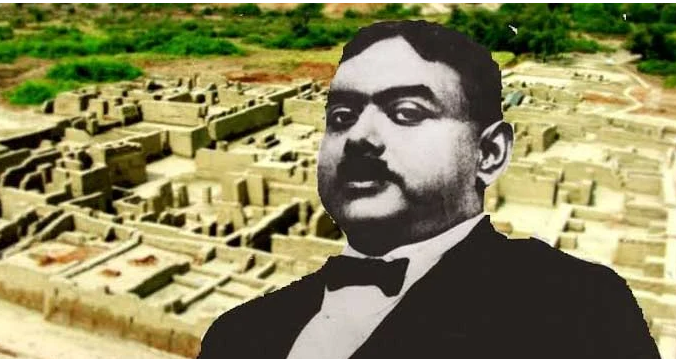
Discovering Mohenjo-Daro: The Legacy of Rakhal Das Banerji

Rakhal Das Banerji was a significant Indian archaeologist who made important contributions to the understanding of ancient civilizations, particularly the Indus Valley Civilization. He is renowned for discovering Mohenjo-Daro, one of the oldest and best-preserved urban settlements, pushing back the civilization's date by 2000 years. Despite his monumental work, Banerji didn't receive adequate recognition during his lifetime, with modern Indian scholars now working to restore his legacy.