The Gospel According to Excel: The Curious Transformation of Mr. Desai

Mr. Desai worshipped spreadsheets with evangelical zeal, marching into Monday meetings armed with a laser pointer and a bucket-sized coffee mug. But the day he drowned in his own dazzling graphs, he discovered a quiet truth: data without meaning is just noise. And so began his transformation—from frantic number-chaser to storyteller of the digital jungle.


The Tiger in the Washroom

The office hummed with morning activity as employees began their day. Unbeknownst to them, a tiger sought refuge in the washroom, unnoticed for four days. It went unnoticed until it seized and ate the Assistant General Manager, then the General Manager and Vice President. When it captured the tea boy, Chhotu, the office was thrown into chaos. Employees found the tiger and saved Chhotu, highlighting the overlooked importance of every role in the workplace.

The Assumption Trap: A Midnight Call

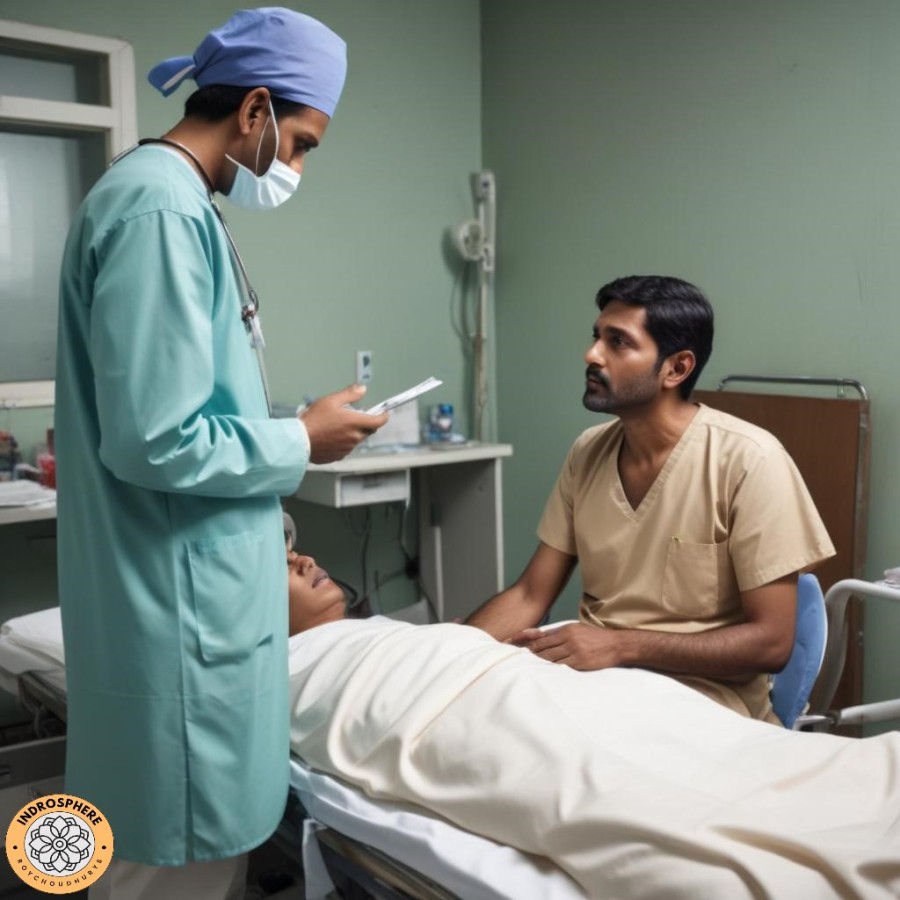
Dr. Lucas, a renowned surgeon, encountered a surprising situation when Mr. Ahmed sought urgent medical help for his wife. Despite assuming it was the same wife, it turned out to be Mr. Ahmed's second wife. This story emphasizes the dangers of assumptions and offers valuable lessons: verify before acting, communicate clearly, stay open-minded, and avoid overconfidence. It serves as a reminder to actively ask questions, listen, and reflect to avoid assumptions.

The Two-Chair Throne | How Goel Sahib’s Scooter Mishap Turned into a Carnival of Advice

Goel Sahib, a retired bank manager, found himself in a predicament with a fractured leg and a barrage of unsolicited medical advice. His visitors offered remedies including goat's hooves soup, sheep's milk massages, and visits to the crematorium. Despite the confusion, Goel decided to follow his doctor's advice and avoid black dogs while riding a scooter for a quicker return to his beloved treats.

The Curious Case of Mrs. Rastogi Syndrome

The "Mrs. Rastogi Syndrome" involves individuals speaking about their spouse's workplace as if it were their own. This behaviour has now resurfaced in a WhatsApp group. It's a humorous quirk that highlights the unique and endearing ways in which people blend their lives with their loved ones. The syndrome brings a touch of colour to interactions, creating opportunities for shared laughter and reminiscence.

Leonard the Lizard: Every Office Has One

In the heart of Grimstone castle, Leonard the self-important lizard believed he was the sole reason for the castle's stability. Tourists and Nigel, a guide, exaggerated his role, but the truth was the diligent maintenance crew that kept the castle together. Leonard's unwavering belief in his importance served as a reminder that harmless delusion can add a touch of magic to everyday life.

Names That Speak: Tales from the Heart of Rural Banking

In the banking sector, I encountered unforgettable names and stories, each reflecting people's lives. Quirky names like Boroline Bibi and Sheikh Boroplus, and peculiar expressions became part of everyday life. Meeting customers in rural branches showed me the real India, facing prejudices and hardship but also resilience and hope. Names are more than identifiers; they are stories and burdens, shaping a larger narrative of culture and humanity.

When a Bank Locker Turned into a Comedy of Errors

Mr. Ashish Dutta aimed to close an old passbook in his daughter's name, but the bank claimed it was linked to an active safety deposit box. Dutta couldn’t find the key and insisted it was returned with the box cleared, years prior. A bank error caused the box to be broken, finding bags with valuable properties. Records then showed it was mistakenly assigned to a Mr. Dutta instead of a Mr. Sen. After a tense scenario involving both parties and bank authorities, the valuables were correctly returned, with the records and charges fixed.

Community Discipline: Can We Bring It Back?

The concept of community discipline emphasizes accountability through care rather than punishment. It calls for dialogue, empathy, and support to reintegrate individuals after mistakes, fostering stronger social bonds. In today's individualistic society, restoring this practice can combat fear and alienation, strengthening community connections and promoting collective responsibility.