Understanding the Paradox of Tolerance

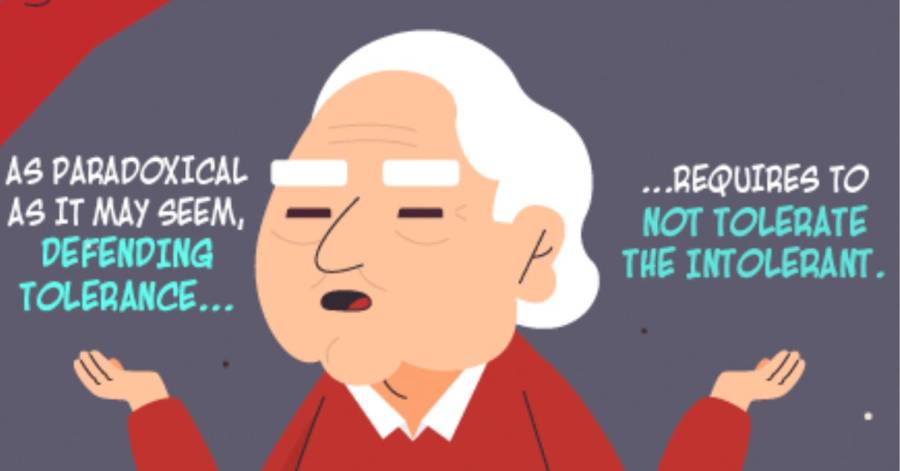
"The paradox of tolerance," a concept introduced by philosopher Karl Popper during WWII, suggests that extreme tolerance of intolerant ideas may subvert society's freedom and acceptance. While society values tolerance, it must also take measures to counteract intolerance to uphold its principles. This paradox poses pivotal questions about the boundary between free speech and harmful intolerance, and potential solutions include promoting education, critical dialogue, and implementing legal measures against hate speech and violence.

The Impact of Hate Speech on Democracy & Society

Freedom of speech is a fundamental right that is enshrined in many constitutions around the world. It is a cornerstone of democracy and allows individuals to express their opinions and ideas freely. However, this freedom is not absolute and comes with certain limitations. One such limitation is hate speech. Hate speech is not free speech. It is an abuse of free speech that has serious consequences for individuals and society. It is important for individuals and governments to recognize the harm that hate speech can cause and take steps to prevent it. By protecting the rights of all individuals and promoting tolerance and respect, we can build a more just and equitable society for all.

The Psychology Behind Luxury: The Veblen Effect Explained

The Veblen Effect refers to the phenomenon where people are inclined to pay more for a product as its price increases, often associated with luxury goods. Named after American economist Thorstein Veblen, this effect contradicts the usual law of demand. People exhibit this behavior to signal wealth and success, associate with quality and exclusivity, and for social comparison. However, it can lead to conspicuous consumption, causing potential financial difficulties. The Veblen Effect provides insight into the psychology of luxury consumption. Understanding it helps in making informed purchasing decisions.

The Water That Wasn’t: A Cautionary Tale from the Age of Zohnerism

In 1997, 14-year-old Nathan Zohner exposed human gullibility through his science fair project advocating for a ban on dihydrogen monoxide (water), leading to 86% support for the ban. His experiment highlighted how selective truths can mislead people, a concept now termed Zohnerism. This phenomenon illustrates the dangers of misinformation and the need for critical thinking and skepticism in assessing information. We must teach others to question narratives and media integrity to combat such manipulation.

The Silent Exodus: India’s Migrant Struggle During COVID-19

The COVID-19 pandemic unveiled the struggles of India's invisible migrant workforce, forcing millions to undertake perilous journeys back to their rural homes as cities ground to a halt. This human exodus highlighted systemic neglect and inequity faced by daily wage earners. As the nation reflects, there’s an urgent call for reform that prioritizes the dignity and welfare of these workers, ensuring their visibility and protection in future policies.

Social Bubble: Welcome Development or Social Nightmare?

Countries grappling with COVID-19 lockdown measures are considering the concept of "social bubbles," where citizens select a small group to interact with on a regular basis. New Zealand, Scotland, and Belgium are implementing or considering the idea, but its effectiveness and feasibility in densely populated nations remains controversial. The system depends on trust, potentially complicating personal relationships, and experts restress the importance of careful implementation to prevent virus resurgence.

Social Distancing Through History: A Vital Pandemic Strategy

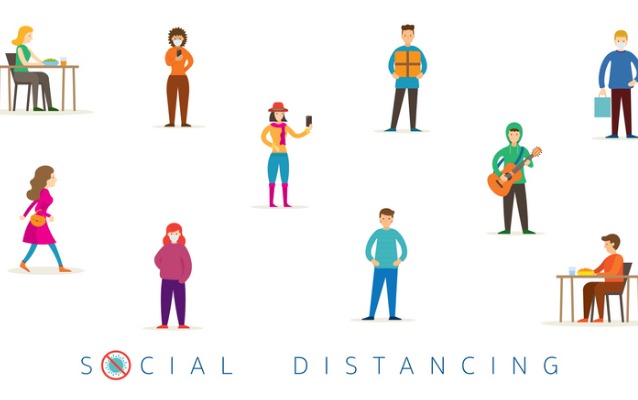
The Spanish flu pandemic of 1918 infected a quarter of the world's population, with a death toll of 50-100 million. Social distancing during the pandemic highlighted its importance. Today, social distancing aims to reduce interactions and slow the spread of infections. Historical practices and proven scientific principles support this approach. Technology enables us to stay connected while adhering to public health guidelines. It is a collective responsibility to prevent the spread of COVID-19 and protect vulnerable populations.

Rediscovering Patience in a Fast-Paced World

A thoughtful conversation among old friends highlighted concerns about the rise of impatience and instant gratification in modern society, particularly impacting younger generations. The shift towards immediate rewards has undermined the value of patience, affecting personal growth, relationships, and professional success. The group acknowledged the importance of reintroducing patience and resilience into daily life, emphasizing mindful practices that celebrate long-term achievements while recognizing the benefits of instant access. True progress combines speed with depth and purpose.