Tagore Hill: Rediscovering Cultural Heritage in Ranchi

Tagore Hill in Ranchi, Jharkhand, holds cultural and historical significance as the home of Jyotirindranath Tagore, a prominent figure in Indian history. Jyotirindranath's artistic and philanthropic contributions enriched the hill, making it a sanctuary for reflection, creativity, and spiritual contemplation. Recent efforts by the Jharkhand government to restore and preserve the site ensure the continuation of its cultural legacy, attracting visitors and scholars alike.

Cricket Fever: India Wins T20 World Cup 2024

In a historic victory, the Indian cricket team clinched their second T20 World Cup title after a 17-year wait, defeating South Africa in a thrilling final. The nation erupted in jubilation, transcending boundaries and celebrating unity in diversity. This victory not only marked a significant milestone in Indian cricket but also highlighted the emergence of a new generation of heroes. Both Sharma and Kohli announced their retirement from T20 internationals, making this win even more memorable.

The Unfinished Journey: A Sacred Pilgrimage to Kamakhya & Ambubachi Mela

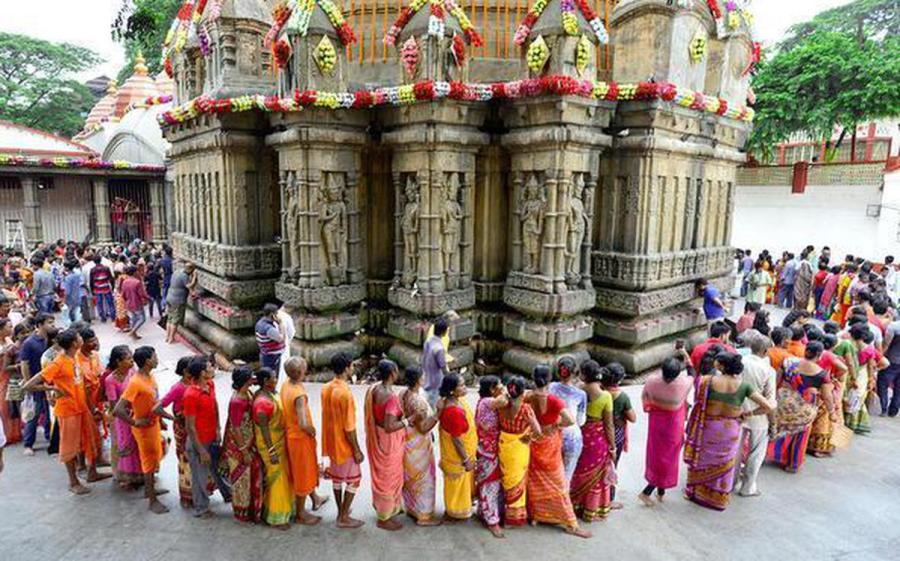
The Ambubachi Mela at Kamakhya Temple in Guwahati marks a significant annual Hindu festival, celebrating the goddess Kamakhya's menstrual cycle and the divine feminine. The temple, rich in mythology and history, closed its doors for three days out of respect for this natural cycle. A personal narrative reveals a thwarted journey to visit the temple, underscoring themes of devotion, longing, and the influence of divine timing in spiritual journeys.

Hati Kheda: Where Elephants Became Gods

The Hati Kheda Temple, nestled in the Dalma Wildlife Sanctuary, Jharkhand, is a unique testament to the fusion of faith and local traditions. Legend has it that the temple's clay elephant idols stopped devastating elephant attacks, leading to the establishment of the Hati Kheda puja. The temple's customs and significance reflect the enduring spiritual traditions of the community.

Ugratara: A Temple of Time, Faith, & Quiet Grace

The Ugratara Temple, located in Latehar district, Jharkhand, is a centuries-old religious site dedicated to the goddess Ugratara. Particularly significant during the 16-day Navratri celebration, the temple draws devotees from Jharkhand and neighboring states. Rituals are guided by a 500-year-old handwritten book, and a distinctive immersion ritual is observed. The temple site also fosters interfaith connections, with the Muslim community involved in certain traditions. Steeped in legend, the temple boasts royal endorsements and daily prasad offerings.

Betla National Park: Exploring the Wild Beauty

Embarked on a three-day excursion with the family to Betla National Park in Jharkhand, India. As a component of Project Tiger, this park provides opportunities for observing wildlife, enjoying tranquil natural landscapes, and exploring the historical Palamu Fort. Noteworthy aspects of the trip encompass savoring local cuisine, participating in jeep safaris, encountering diverse animals, and visiting picturesque waterfalls in the vicinity. The overall experience underscores Betla's appeal to nature and wildlife enthusiasts due to its abundant flora, wildlife, cultural heritage, and a range of adventurous activities.

Rock edicts of Emperor Ashoka

Emperor Ashoka’s Legacy: Edicts of Compassion & Governance

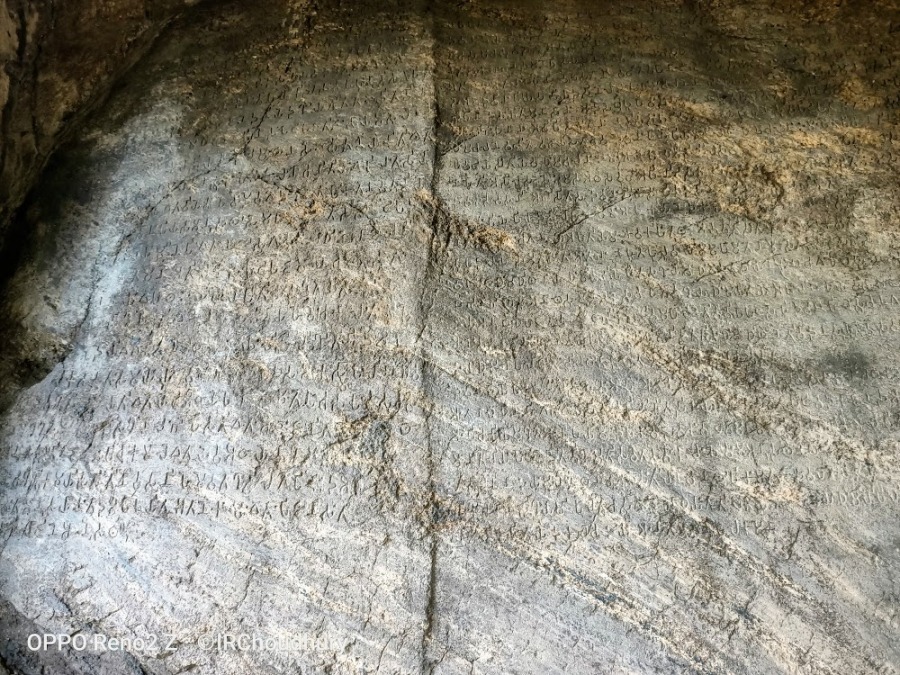
India's rich history and vibrant culture are encapsulated in the legacy of Emperor Ashoka, particularly through the Rock Edicts found near the Dhauli Stupa in Odisha. These inscriptions, written in ancient scripts, highlight Ashoka's transformative journey from a conqueror to a proponent of peace and compassion, advocating for religious tolerance and ethical governance. His teachings remain relevant today, offering timeless lessons of empathy and understanding against modern conflicts.