Dolma

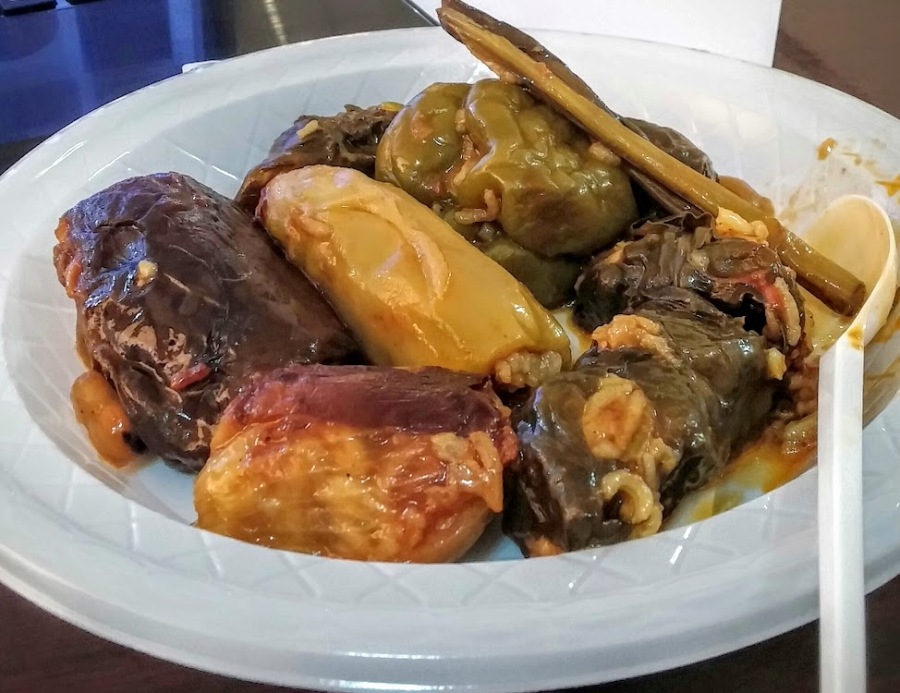
Dolma: The Stuffed Secrets of Togetherness

Dolma, a beloved dish with stuffed vegetables like grape leaves, peppers, and eggplants, reflects a culinary evolution across the Mediterranean, Middle East, and India. With origins in the Ottoman Empire, dolma has evolved through Byzantine refinement and Arab influences, reaching diverse regions like Greece, Azerbaijan, and Bengal. Today, it continues to captivate palates with vegetarian and vegan variations, embodying the spirit of cultural exchange and culinary exploration.

Savoury Kebab Stories: Iraq & India Unite

The article discusses kebabs from two distinct regions: Iraq and India. Both kebabs, being from rich culinary traditions, vary greatly in their preparation and presentation. Iraqi kebabs like the shish and tikka use chunks of marinated meats, whereas Indian kebabs are made from minced meat mixed with herbs and spices. The Iraqi kebab is often complemented by amba, a fermented mango condiment, while the Indian variant is generally accompanied by yoghurt-based sauces, chutneys, and flatbreads.

The Sweet Atom Bombs of Kuru – A Taste of Jharkhand’s Heartland

While on duty at Jharkhand, the writer frequently visited Kuru and discovered a popular sweetmeat, Chhana (known locally as 'atom bombs' due to its size), which traditionally made from milk curdled by adding a sour substance. Despite its evolution in other regions, Kuru stays true to its original recipe, which dates back 50-60 years. Visitors from various parts of India bring these sweets back, testifying to their popularity.

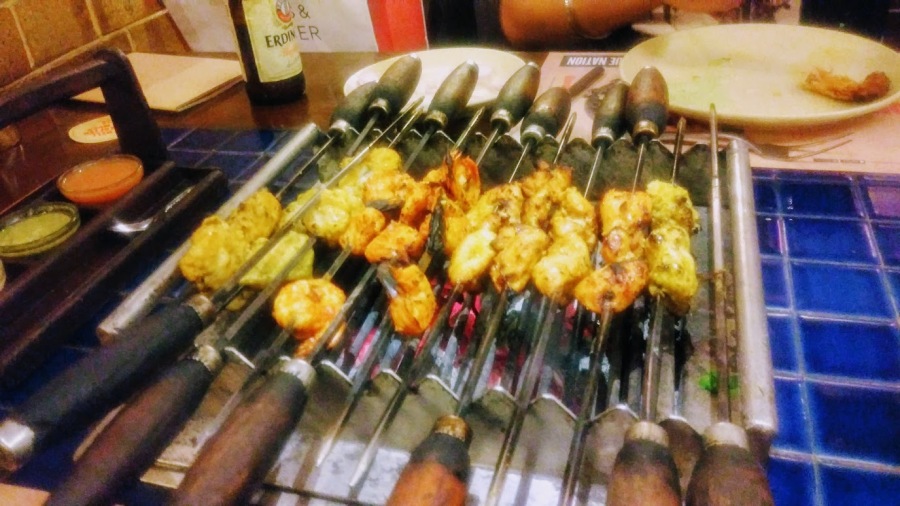
Kebabs & Tikkas | Barbeque Nation, New Delhi

Smoke, Spice, & the Gospel of Grilled Pineapple: A Night at BBQ Nation

The author enthusiastically recommends BBQ Nation, a restaurant in New Delhi that offers on-table grilling, with an array of starters, mains, desserts, and drinks. They praise the lively and welcoming ambiance, quality food variety from tikkas to biryanis, hands-on grilling experience, attentive service, and reasonable pricing. They highlighted their satisfaction with the restaurant's 'unlimited' starters, flavorful main course options, delightful desserts, and an exceptional kitchen tour.

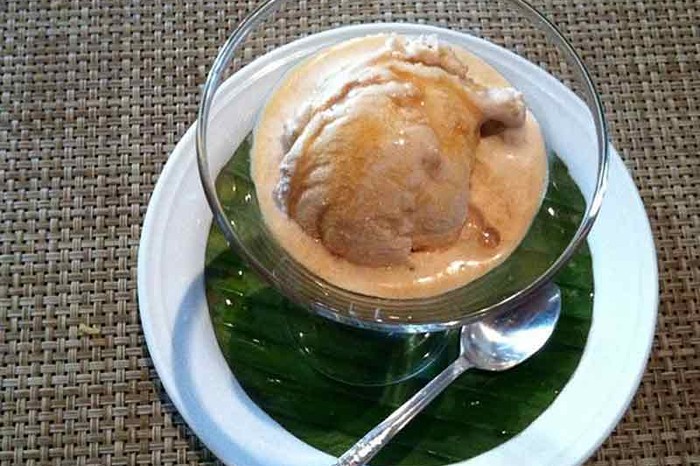
Nolen Gurer Ice Cream: A Taste of Bengal’s Heritage & Innovation

On a summer day, I reminisced about a culinary adventure at Oh! Calcutta in Kolkata, where I first tasted Nolen Gurer Ice Cream, a delicacy that combines the rich flavor of Nolen Gur, a traditional Bengali jaggery. This creamy dessert, with its complex sweetness and artisanal preparation, represents the essence of Bengali cuisine, celebrating the region's heritage and seasonal treasures. Food, indeed, transcends sustenance.

Posto: The Bengali Ingredient with a Rich Legacy

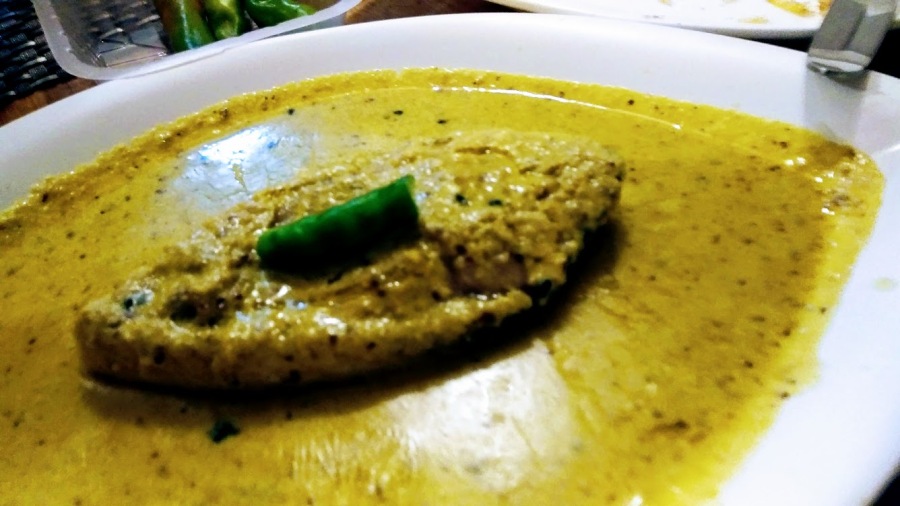
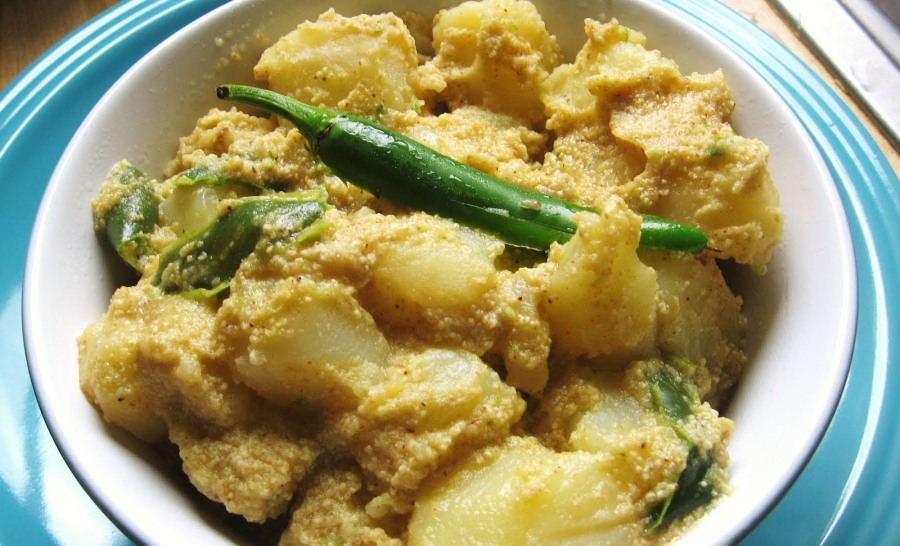
The nostalgia sparked by a friend's murgi posto photo leads to an exploration of poppy seeds' historical significance within Bengali cuisine. Originally valued for medicinal properties, they gained culinary importance amid colonial exploitation. Women creatively transformed discarded seeds into beloved dishes, enriching Bengali kitchens. The journey of posto reflects resilience and cultural legacy, turning hardship into a treasured staple that connects generations and celebrates culinary ingenuity.

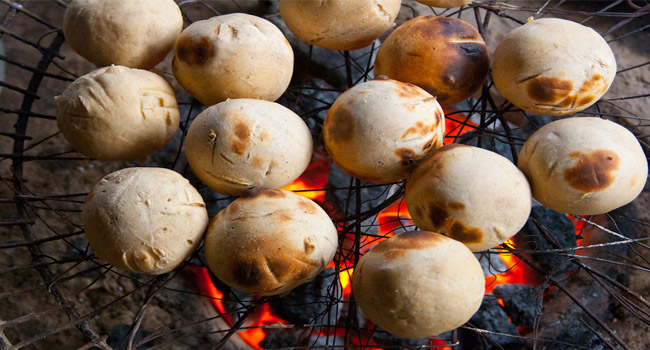
Litti Chokha: A Bite of Earth, A Taste of Rebellion

Litti-Chokha, a traditional dish from Bihar and Jharkhand, India, consists of roasted wheat flour dough balls stuffed with a mixture of sattu, herbs, and spices, served with a side dish of mashed vegetables. Also a popular street food, its origins loosely trace back to the Magadha kingdom, with the dish evolving throughout history. Famed for its health benefits, cultural significance, and hearty flavors, Litti-Chokha is beloved by diverse classes and served at numerous occasions.

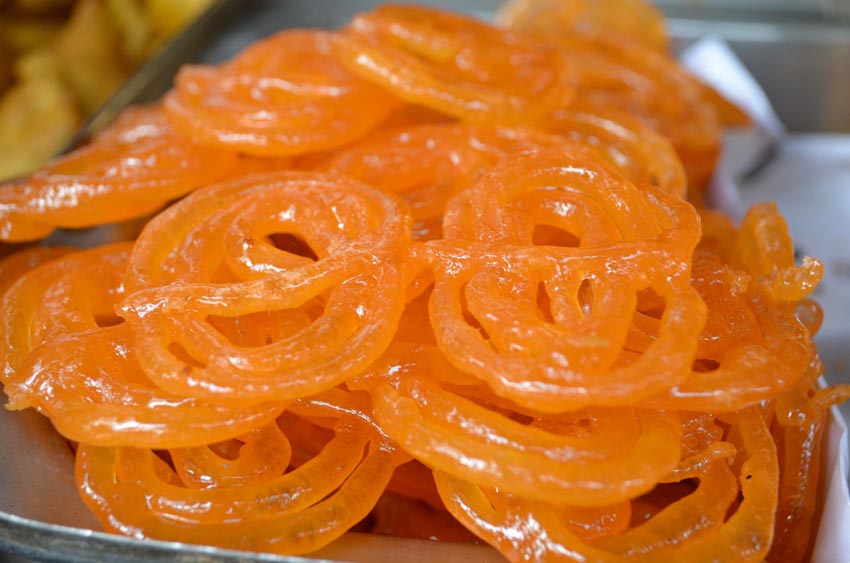
Spirals of Sweetness: The Story of Amriti & Jalebi

In Indian cuisine, sweets like Amriti and Jalebi represent more than just desserts; they embody traditions, memories, and celebrations. Amriti, primarily associated with Bengal, is a lentil-based delicacy with a nostalgic charm, often appearing during festive occasions. In contrast, Jalebi, with its origins in the Middle East, has become a beloved street food across India, known for its crispiness and sweetness. Together, they showcase India's rich culinary heritage, bridging celebration and everyday life.