The Golden Lyre of Ur: Echoes of a Forgotten Civilization

The Golden Lyre of Ur, discovered in the 1920s by British archaeologist Leonard Woolley, represents the rich musical heritage of ancient Mesopotamian society. The lyre is a gold and wood instrument, with 11 strings, adorned with carved mythical creatures. Found in the Royal Cemetery of Ur, it is one of the oldest stringed instruments ever uncovered and was likely used in significant ceremonies and rituals, including burials. Its intricate design features suggest the substantial role of music in Mesopotamian society, as well as its religious and spiritual significance.


Agatha Christie’s Baghdad: A Love Story Written in Dust & Ink

Agatha Christie, the "Queen of Crime" and best-selling novelist, experienced a transformative chapter of her life in Baghdad. After a 1928 divorce, she found solace and inspiration in Iraq, marrying archaeologist Max Mallowan. Immersing herself in Mesopotamian culture, Christie contributed to archaeological digs, enriching her literary work, including "They Came to Baghdad." Her love for the city and its people profoundly influenced her novels, leaving a lasting legacy.

World Humanitarian Day: Remembering the Canal Hotel Tragedy

On August 19, 2003, a bomb attack at the Canal Hotel in Baghdad, Iraq, killed 22 aid workers, including the UN's Special Representative for Iraq, leading to the establishment of World Humanitarian Day. This day honors the sacrifices made by humanitarian workers and raises awareness about critical issues faced by them, such as the impact of the climate crisis. It serves as a call to action to protect vulnerable populations and support those who respond to crises.

Symbolism of Helmets: Gold vs. Bronze in Mesopotamia

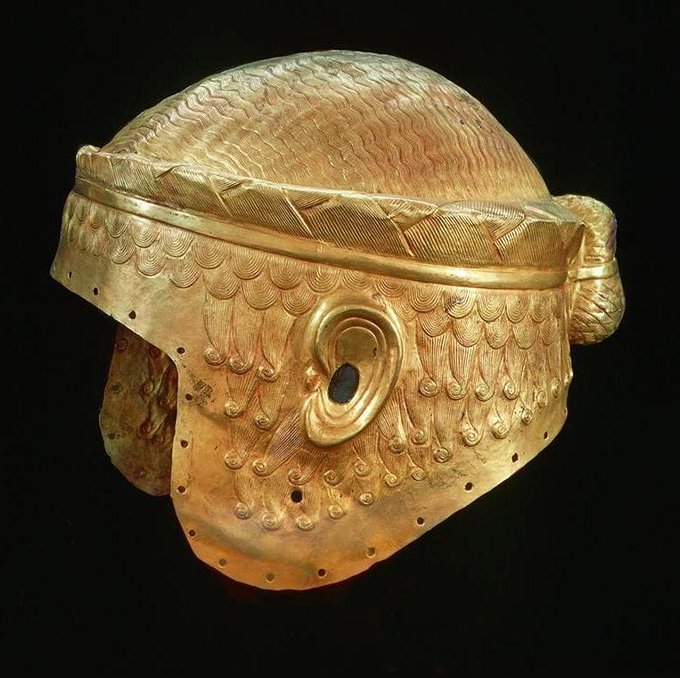
The narrative contrasts two ancient rulers from Mesopotamia: Meskalamdug of Ur, symbolized by his golden helmet representing divine favor and stability, and Sargon of Akkad, marked by his bronze helmet embodying conquest and ambition. Meskalamdug’s reign, though mysterious, reflected a sacred kinship with the gods. In contrast, Sargon’s rise to power emerged from military strength and human will. Their helmets serve as lasting symbols of their legacies, differentiating spiritual governance from earthly conquest.

A Musical Evening in Baghdad: A Symphony of Spirit & Sound

A spontaneous invitation from my colleague Jaffar led to a profound experience at the Iraqi National Symphony Orchestra concert. Set in Baghdad, the evening revealed the city’s rich cultural resilience amidst adversity. As we savored dinner and anticipated the concert, the orchestra's history of tenacity echoed through its performance. Young musicians, especially female instrumentalists, captivated the audience, embodying hope. The night became a reflection on beauty’s persistence, symbolizing Baghdad's unyielding spirit and cultural strength, leaving a lasting impact on me.

Celebrating Holi in Baghdad: A Festival of Love, Joy, & Unity

Holi is a cherished festival in India, embodying joy, togetherness, and forgiveness. Its legends, like Lord Krishna's playful love for Radha, and the victory of good over evil, add depth to the celebration. Holi is marked by colourful gatherings and delicious food, symbolizing unity and love. The festival's essence is a reminder of positivity and happiness.

Exploring the Laws of Eshnunna: Ancient Legal Insights

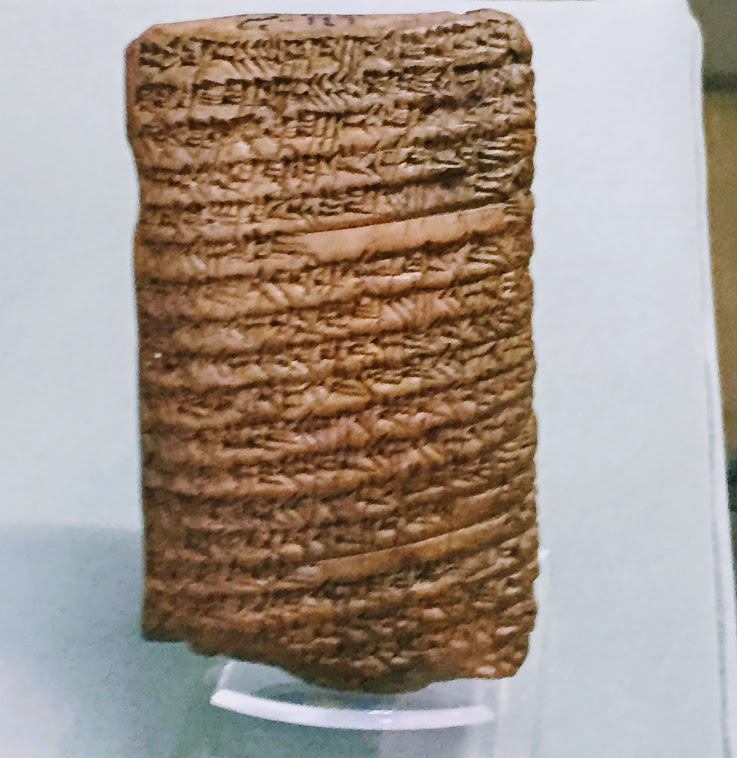
The Laws of Eshnunna, dating back to the 18th century BCE, predate even the famed Hammurabi's Code, offering insights into an early civilization. Comprising 60 articles, they outline a structured society and depart from the punitive severity of later legal codes, opting for fines and compensations. They offer a glimpse into ancient Mesopotamian life and the perpetual struggle for justice.

Ziggurats: Bridging Heaven & Earth in Ancient Mesopotamia

The Great Ziggurat of Ur, located in present-day Iraq, is a well-preserved relic of Mesopotamian civilization. Built around 2100 BCE, it honored the moon god Nanna and served as an administrative and religious center. The ziggurat's terraced levels and grand staircase show celestial significance, and it was later partly restored. Rediscovered in 1850, it is now a UNESCO World Heritage Site and an important symbol of Iraq's ancient heritage.