Al-Kadhimiya Mosque: A Sanctuary of Faith & Resilience

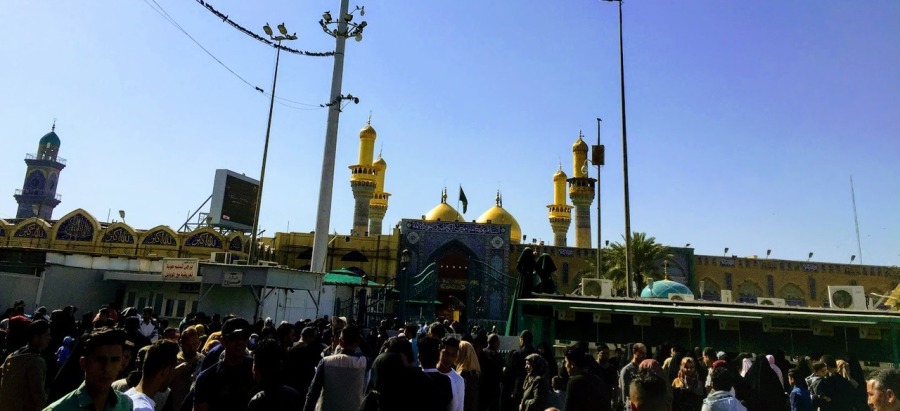
The Al-Kadhimiya Mosque in Baghdad's Kadhimiya district is a significant Shia shrine, housing the tombs of Imams Musa Al-Kadhim and Muhammad al-Jawad. The mosque, originally constructed in the 8th century, features stunning architecture and historical significance. It has been a hub of religious and cultural activity, drawing pilgrims and visitors from around the world. A visit to this remarkable site offers a profound connection to Shia Islam's history and spirituality.
Abu Hanifa Mosque: Where Faith, History, & Baghdad Converge

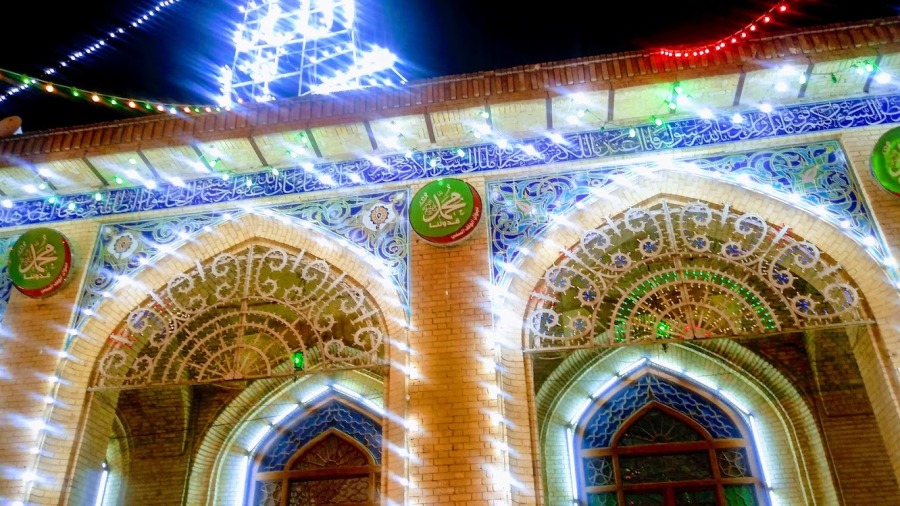
The Abu Hanifa Mosque in Baghdad, Iraq, is a testament to Islamic heritage and architectural splendour. Built around the tomb of Abu Hanifa an-Nu’man, the mosque showcases stunning Islamic architecture and serves as a significant historical and cultural site. Visitors can experience the mosque's serene atmosphere during prayer and indulge in traditional Iraqi cuisine nearby, making it a must-visit destination for both devout Muslims and those interested in Islamic heritage.

Haji Zbala: Baghdad’s Historic Juice Shop

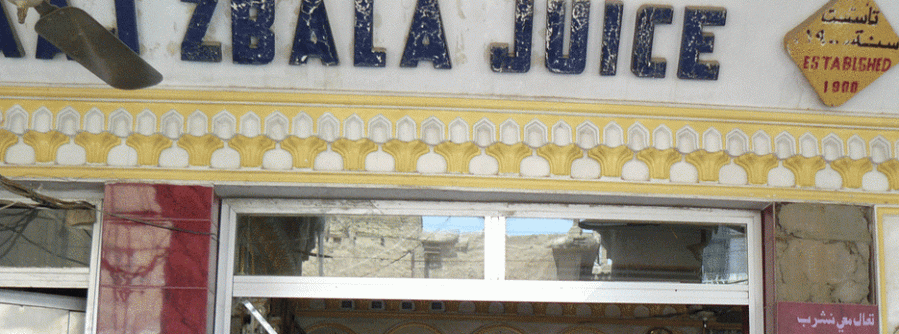
Haji Zbala Juice Shop, located on Baghdad’s Al Rasheed Street, has been serving grape juice since 1900. The street is a symbol of the city’s rich cultural heritage, attracting historical figures and boasting Baghdad’s first cinema. The shop’s secret grape juice recipe, sourced from the Zagros Mountains, encapsulates over 100 years of history. Its traditional architectural features stand as a testament to Baghdad’s enduring legacy.

Pacha: A Taste of History, Culture, & Iraqi Hospitality

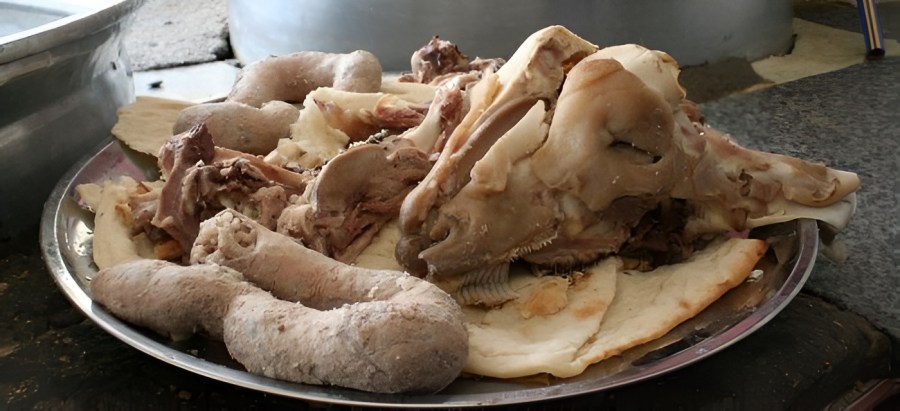
In a bustling Baghdad marketplace, the rich aroma of Pacha introduced a traditional Iraqi dish renowned for its cultural significance. Made from sheep's head and trotters, Pacha reflects resourceful cooking and embodies community and celebration in Iraq. It symbolises hospitality and connection to heritage, offering a unique dining experience that transcends mere sustenance, representing resilience and the enduring strength of Iraqi culture across time.

Newroz Piroz Be: The Eternal Flame of Renewal

Nowruz, meaning "New Day" in Persian, is an ancient festival with its origins dating back thousands of years, rooted in Zoroastrianism. It marks the beginning of the Persian New Year and the arrival of spring. The exact origin of Nowruz is not definitively known, but it is believed to have been celebrated for over 3,000 years in the regions of modern-day Iran, Central Asia, and parts of the Middle East.

Iraq’s Scorching Summers: The Impact of Climate Change

High temperatures in Iraq are worsening due to growing desertification, prompting the government to declare a two-day official holiday. The World Meteorological Organization warns of record high global temperatures and rising levels of carbon dioxide. Iraqis demonstrate resilience to the heat, but urgent action on climate change is needed for the region and the planet.

The Ahwar of Southern Iraq: A Historical & Ecological Marvel

The Ahwar of Southern Iraq, a UNESCO World Heritage site, encompasses the biblical Garden of Eden. Fed by the Tigris and Euphrates rivers, these marshlands support diverse wildlife and house the Marsh Arabs' millennia-old culture. The site includes ancient Sumerian cities and has faced environmental and political challenges. Efforts to restore the marshlands symbolize the harmonious coexistence of nature and human civilization, preserving a vital ecological and cultural treasure.

Mutanabbi street

Al-Mutanabbi Street & College Street: Two Cultural Havens in Baghdad & Kolkata

Al-Mutanabbi Street in Baghdad, renowned as the "Book Market," embodies Iraq's literary spirit and history, dating back to the Abbasid era. It serves as a cultural hub for intellectuals and has shown resilience against adversity, including a tragic bombing in 2007. Similarly, Kolkata's College Street is a vibrant center for book lovers, fostering literary discussions and creativity across borders.

World’s Oldest Paycheck Paid in Beer — How Ancient Mesopotamians Brewed the First Salary

Archaeology just proved that after a hard day’s work, humanity’s favourite reward hasn’t changed in 5,000 years. The world’s oldest known paycheck — a cuneiform-inscribed clay tablet from ancient Mesopotamia — shows that workers were once paid in beer. From Uruk to today’s taprooms, the story of beer is truly the story of civilisation itself.