The Mother Goddess Through Time: A Celebration Across Civilizations

Ranchi is alive with the Navratri festival, showcasing devotion to Goddess Durga, symbolizing the divine feminine's strength. The author reflects on Durga’s role as an invincible warrior and shares connections to ancient goddesses Inanna and Ishtar. These figures embody both nurturing and fierce protective qualities, emphasizing the universal archetype of feminine power. The festival celebrates this enduring spirit through vibrant rituals and collective energy.

Mushussu: The Serpent-Dragon of Babylon

Four years ago, in the National Museum of Iraq, I encountered the mythic creature Mushussu, a hybrid of serpent, lion, and eagle in Mesopotamian mythology. Its name, stemming from Akkadian, connects to divine power and protection associated with Marduk, Babylon's chief god. Mushussu embodied attributes of vitality and guardianship, prominently featured on the Ishtar Gate. Today, its legacy persists in museums and digital platforms, bridging ancient mythology with modern cultural imagination.

Ninmakh: The Divine Mother of Sumerian Mythology

In the ancient land of Mesopotamia, lies the tale of Ninmakh, a revered goddess of healing and creation. As the consort of Enki, she played a pivotal role in shaping gods and humans. Her temple, a sanctuary in Babylon, witnessed rituals and prayers for fertility and healing. Despite the ravages of time, her legacy endures, embodying humanity's quest for meaning. The ruins of her temple stand as a testament to her enduring spirit and the rich Babylonian civilization.

Walking Through Time: My Journey to Ancient Babylon

Babylon, one of the most influential cities of ancient Mesopotamia, has a history that spans almost two millennia. From its initial foundation as a small Akkadian town in the third millennium BC to its rise as the capital of the Babylonian Empire under Hammurabi's rule, the city has had periods of grandeur and decline. Notable for its significant landmarks like the Hanging Gardens, one of the Seven Wonders of the Ancient World, Babylon also housed notable figures such as Hammurabi, famous for his code of laws. Its ruins are now in Iraq, open to visitors who want to explore its rich heritage.

The National Museum of Iraq: A Journey Through Time

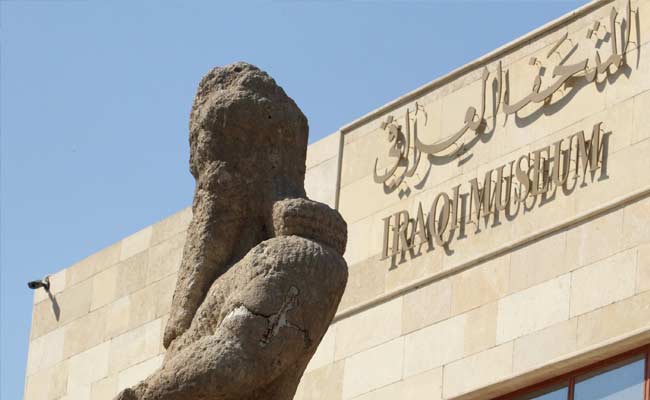
As Nowruz approached, friends and I explored the National Museum of Iraq in Baghdad, a vital custodian of Mesopotamian history. Despite the tragic looting in 2003, the museum houses a rich collection, including the Lady of Warka and artifacts from diverse ancient cultures. Its resilience serves as a beacon of hope and connection to Iraq’s past, urging visitors to appreciate and support its heritage.