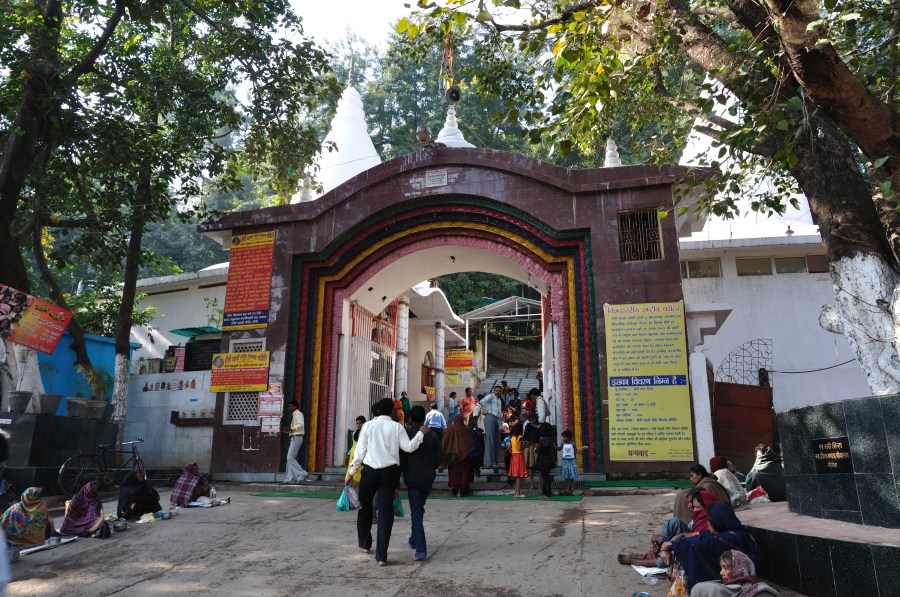
Ritual & Reverence: Unveiling the Prehistoric Goddess of Baghor

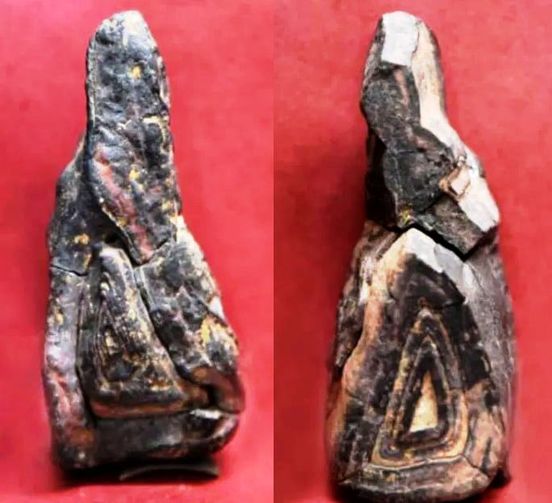
Hidden in the rugged hills of Sidhi, Madhya Pradesh, the prehistoric shrine of Baghor shelters a triangular stone believed to be over 11,000 years old—perhaps the earliest symbol of the Mother Goddess in India. Discovered by archaeologists in the 1970s, it continues to be worshipped today, bridging prehistory and faith in a timeless ode to the divine feminine.
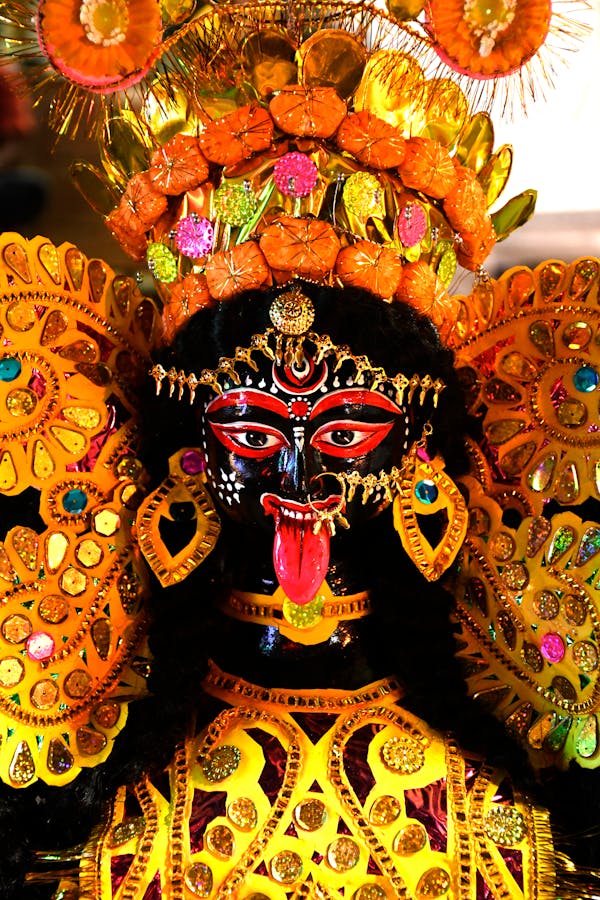
Kali Puja: From the Cremation Ground to the Courtyard

When the rest of India lights lamps for Lakshmi, Bengal lights them for Kali—the mother who destroys to renew. Kali Puja is not just a festival of devotion; it is a night of reckoning, transformation, and intimacy with the divine feminine. From the cremation ground to the courtyard, Bengal’s relationship with Kali mirrors the evolution of faith itself—how fear becomes love, and darkness becomes divine.

Rajrappa: A Pilgrimage to the Chhinnamasta Temple

The Chhinnamasta Temple in Rajrappa, Jharkhand, is a significant Hindu pilgrimage site dedicated to the goddess Chhinnamasta. Located at the confluence of the Damodar and Bhairavi rivers, it holds spiritual importance for Shakti worship. The temple's historical and geographical significance, along with the divine experience it offers, make it a must-visit destination for those seeking a deeper spiritual connection.

Ugratara Temple, Latehar — A Pause In Time

Hidden deep in Jharkhand’s forests, the Ugratara Temple is not a spectacle but a pause in time. Here, rituals wait for the Goddess’s consent, centuries-old manuscripts guide worship, and faith crosses religious boundaries. Visited in quiet stillness, Ugratara reveals how devotion, memory, and humanity continue to breathe together, long after the road bends away and the forest closes behind pilgrims.

জব চার্নকের কালীপূজা

আজ জব চার্নকের প্রয়াণ দিবস। জব চার্নককে ঔপনিবেশিক ইতিহাসকারগণ কলকাতার প্রতিষ্ঠাতারূপে প্রচার করে থাকেন। ২০০৩ সালে কলকাতা হাইকোর্ট ঘোষণা করে যে তাকে প্রতিষ্ঠাতা হিসাবে গণ্য করা উচিত নয়। খ্রিস্টীয় প্রথম শতাব্দী থেকে এই অঞ্চলে বাসিন্দা ছিলো। হাইকোর্ট এই দাবিতে সঠিক ছিল যে যে গ্রামগুলি ঔপনিবেশিক কলকাতা গঠন করেছিল সেগুলি চার্নক বা ব্রিটিশ রাজ দ্বারা প্রতিষ্ঠিত …

Continue reading জব চার্নকের কালীপূজা

Itkhori: Where Faiths Converge & Time Stands Still

Itkhori in Chatra district of Jharkhand state of India is situated at around 150 km from Ranchi, the capital of Jharkhand, at the confluence of two rivers named ‘Mahane' and 'Baksa'. Bhadrakali temple complex is a symbol of religious tolerance for centuries. It is a wonderful place with abundance of historic reminiscences and archaeological remnants demonstrating a breath-taking saga of religious tolerance and cultural unity.

Pahari Mandir, Ranchi: Where Faith Meets Freedom

The temple of Lord Shiva is situated in the heart of the city on a hill called Pahari Mandir. The 2,140 feet Ranchi hill houses the temple at its summit. Ranchi hill was earlier being known as Phansi Tongri (Hanging Hill) and it was the place where freedom fighters were hanged to death. It’s said that more than 250 freedom fighters were hanged here from the trees by the British rulers. Pahari Mandir holds the distinction of being the only temple in the country to continue with the tradition of hoisting the national flag every Independence Day ever since the first Tricolour was unfurled here in the intervening night of August 14 and 15, 1947.

Bhoot Chaturdashi: Bengal’s Own Night of Spirits & Light

Bhoot Chaturdashi, celebrated in Bengal during late autumn, honors ancestral spirits through rituals like lighting fourteen earthen lamps and consuming fourteen leafy greens. This reflective observance, linked to folklore and protection, emphasizes the connection between life and death, nature, and the significance of remembering one's heritage amid the changing world.