Kumbh Mela 2019: A Journey of Faith & Tradition

In January, we attended a wedding in Varanasi and fulfilled my mother's wish to bathe in the Triveni Sangam during Mauni Amavasya. This brought back memories of our 2013 pilgrimage to the Maha Kumbh Mela. The Mela, recognized by UNESCO, attracts millions seeking spiritual purification. Our experience was enriched by the inclusive participation of the Kinnar Akhada. The massive event showcased a seamless blend of tradition and modernity, leaving a profound impact on our spiritual journey.


The Empty Boat Fable: A Path to Self-Realisation

The Taoist parable "The Empty Boat" serves as a lesson about finding peace within oneself. The story tells of a man who encounters an empty boat on a river and, rather than growing angry, he simply navigates past it, symbolizing the dismissal of pointless anger. The fable communicates the importance of inner peace and self-realization, reminding us not to attach ego and emotions to external circumstances. The message advises detachment from attachments, expectations, and judgments to live peacefully and joyfully, emphasizing the need for solitude for mental well-being and clarity.

Samdruptse Hill: A Spiritual Ascent in the Sky

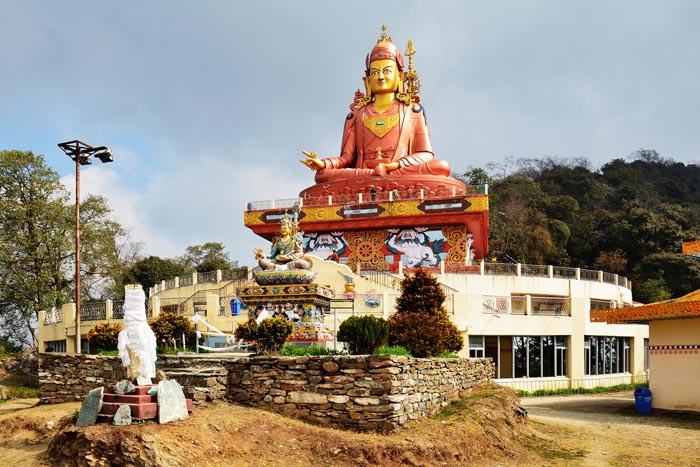
Samdruptse Hill near Namchi, Sikkim, boasts a 45m statue of Guru Padmasambhava, a beacon of Tantric Buddhism. The hill's spiritual significance is reflected in local lore and traditions. The nearby Samdruptse Monastery harmoniously combines Sikkimese, Tibetan, and modern elements, preserving the region's rich heritage. The area is a sanctuary of profound historical and spiritual significance.

Kumbh Mela: The World’s Largest Spiritual Gathering

The Kumbh Mela, derived from a mythical pot of nectar, is a globally renowned Hindu festival. Originating from ancient Vedic scriptures, it revolves around a tale of gods and demons battling over immortality. Held every 12 years at four riverside sites, the festival's bathing rituals are believed to bring divine blessings. With millions of pilgrims, it is recognized as an intangible cultural heritage by UNESCO.

Embracing Tolerance: Swami Vivekananda’s Legacy

Swami Vivekananda’s 1893 speech at the World Parliament of Religions in Chicago is noted for its reflection of Indian culture and its values. Vivekananda message of universal brotherhood, acceptance and respect for all religions, positions him as a significant philosophical figure, impacting not only western perception of Hinduism, but also influencing the American civil rights movement. His call for tolerance and unification has a profound contemporary resonance in the face of global division along religious, ethnic and national lines.