
Every stone in Chittorgarh carries memory, but some rise higher than others — literally and figuratively. As we walked deeper into the fort, towers touched the sky, kunds whispered of battles, and the specter of jauhar hovered heavy in the air.

Mythology refers to traditional stories involving gods or supernatural beings, often serving sacred roles within cultures. Folklore encompasses a broader range of cultural expressions, including tales, legends, and customs shared within communities.The primary difference is that mythology often focuses on existential themes and origins, while folklore includes a variety of narratives that are typically fictional.
Every stone in Chittorgarh carries memory, but some rise higher than others — literally and figuratively. As we walked deeper into the fort, towers touched the sky, kunds whispered of battles, and the specter of jauhar hovered heavy in the air.

Bhishma is portrayed as a steadfast warrior embodying duty and sacrifice in the Mahabharata. His complex actions during the Kurukshetra war, including a vow to not kill the Pandavas and his subtle manipulation of Karna, were pivotal in shaping the conflict's outcome. Ultimately, Bhisma's revelation of his vulnerability and acceptance of defeat symbolize his quest for redemption, highlighting the true essence of sacrifice and moral integrity.

In the aftermath of the Kurukshetra war, amidst the ruins, Sanjaya encounters an ancient sage who imparts profound wisdom. The Mahabharata transcends mere storytelling; it embodies the internal struggles of individuals against vices like greed and anger. Each person's choices reflect either dharma or chaos. Ultimately, the narrative serves as a guide for personal battles, urging adherence to inner virtues and the voice of Krishna.

The story recounts the life of Sibtu, a priestess of the moon god Nanna in ancient Ur, highlighting her divine connection and powerful role within the temple. Chosen at a young age, she relinquished her identity to serve the deity, influencing both religious and political spheres. Despite her authority, Sibtu experienced personal sacrifices, ultimately dedicating her life to ensuring Ur’s prosperity. Her legacy intertwines with the sacred marriage ritual, symbolizing divine and earthly unity.
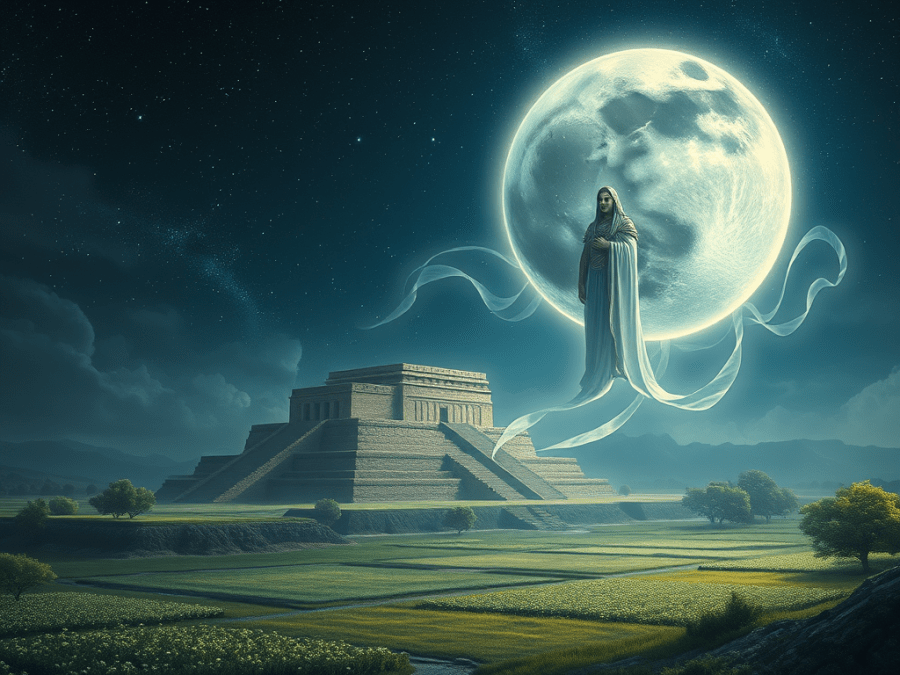
Nanna, the moon god of ancient Sumer, was a celestial deity revered for his profound influence over time, agriculture, and destinies. As the lord of the lunar calendar, he provided guidance and protection to mortals, particularly in Ur, where his grand ziggurat stood as a testament to his power. Nanna's legacy transcended Sumer, influencing neighboring cultures and highlighting the enduring connection between humanity and celestial bodies.

Inanna, the goddess of love, war, and life in Uruk, sought to explore the Underworld, ruled by her sister Ereshkigal. Despite warnings, Inanna descended, shedding her divine adornments at each gate. Once faced with Ereshkigal, she was struck down. Enki intervened, allowing her return with a trade, leading to Dumuzi's capture. Inanna's tale reflects themes of transformation, sacrifice, and the balance of opposites.
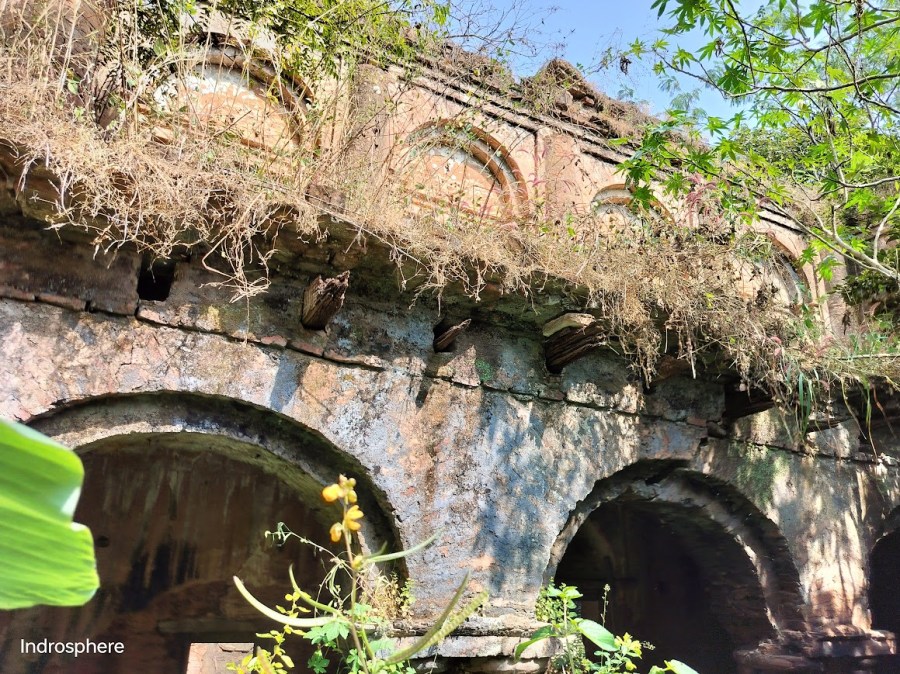
Pithoria village, near Ranchi, conceals the haunted Pithoria Fort, linked to King Jagatpal Singh’s betrayal during the 1857 uprising against British rule. His alliance with the British led to a curse from rebel leader Thakur Vishwanath Shahdeo, resulting in annual lightning strikes. The fort now stands decaying, symbolizing lost heritage and resistance.

The Bhangaram Devi temple and the Trial of Gods exemplify the Gond people's profound spiritual connection with their deities, showcasing a tradition where divine power is earned through reciprocal trust. This practice reflects the deep intertwining of faith, nature, and community, highlighting the resilience of tribal culture amid changing times and the importance of preserving traditions that emphasize the symbiotic relationship between humans and their environment.

The Hati Kheda Temple, nestled in the Dalma Wildlife Sanctuary, Jharkhand, is a unique testament to the fusion of faith and local traditions. Legend has it that the temple's clay elephant idols stopped devastating elephant attacks, leading to the establishment of the Hati Kheda puja. The temple's customs and significance reflect the enduring spiritual traditions of the community.

Hanuman, a highly venerated deity in Hinduism, is believed by many to have been born in Jharkhand, specifically in a place known as Anjan Dham. This hill is thought to be where Hanuman's celestial mother Anjana gave birth following a penance. The location, which features a temple dedicated to Anjana, attracts numerous pilgrims each year. However, other locations across India, like Anjaneri and Anjanadri, also claim to be Hanuman's birthplace, reflecting the diversity and complexity of Hindu mythology.
