Mushussu: The Serpent-Dragon of Babylon

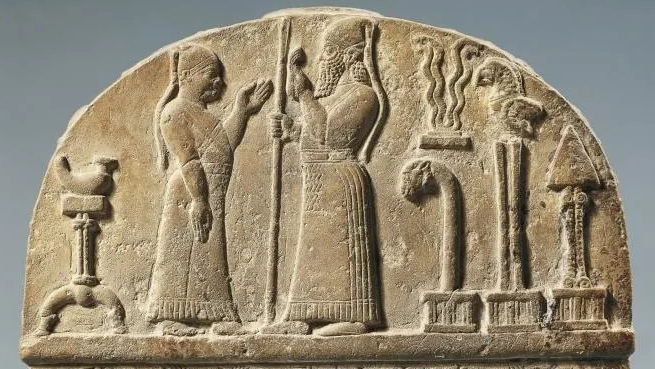
Four years ago, in the National Museum of Iraq, I encountered the mythic creature Mushussu, a hybrid of serpent, lion, and eagle in Mesopotamian mythology. Its name, stemming from Akkadian, connects to divine power and protection associated with Marduk, Babylon's chief god. Mushussu embodied attributes of vitality and guardianship, prominently featured on the Ishtar Gate. Today, its legacy persists in museums and digital platforms, bridging ancient mythology with modern cultural imagination.

The Mask of Warka: A Timeless Gaze into Mesopotamian Civilisation

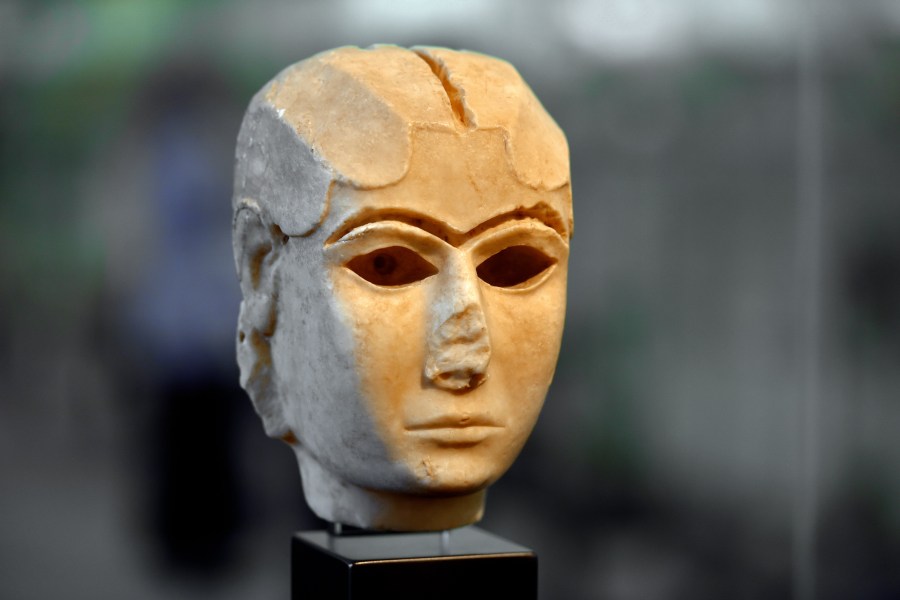
The Mask of Warka, dating to 3100 BCE, is a pivotal archaeological find from Uruk in ancient Mesopotamia. Likely representing the goddess Inanna, its striking naturalism showcases early sculptural artistry and religious symbolism. The mask reflects the civilization’s complex beliefs and artistic evolution, bridging the divine and human realms in ancient culture.

Anjan Dham: The Hill Where Hanuman is Said to Have Been Born

Hanuman, a highly venerated deity in Hinduism, is believed by many to have been born in Jharkhand, specifically in a place known as Anjan Dham. This hill is thought to be where Hanuman's celestial mother Anjana gave birth following a penance. The location, which features a temple dedicated to Anjana, attracts numerous pilgrims each year. However, other locations across India, like Anjaneri and Anjanadri, also claim to be Hanuman's birthplace, reflecting the diversity and complexity of Hindu mythology.

Akitu Festival: Traditions & Rituals of Ancient Babylon

The Akitu Festival was an essential spring and New Year's celebration in ancient Mesopotamia. Held in March/April, the festival celebrated the sowing of barley, nature's rebirth, and the renewal of life, while honoring the supreme god Marduk and his son Nabu. It lasted 12 days, each with its unique rituals and ceremonies, conducted in the city of Babylon and a special temple outside the city. The festival also served a significant social and political role, including a ritual humiliation of the king to demonstrate his mortality and reliance on Marduk.

Echoes in Stone: A Journey to the Isko Caves of Jharkhand

The Isko Caves in Jharkhand, India, are a significant archeological site and a testament to the country's prehistoric art and culture. Situated in a forest, the caves contain rock paintings from the Meso-Chalcolithic period (9000-5000 BCE). Local tribes, upholding the tradition of rock painting, connect the present day to the past via rituals performed at these caves. These caves, discovered in 1991, require proper maintenance and protection to conserve this important heritage site.

The Golden Lyre of Ur: Echoes of a Forgotten Civilization

The Golden Lyre of Ur, discovered in the 1920s by British archaeologist Leonard Woolley, represents the rich musical heritage of ancient Mesopotamian society. The lyre is a gold and wood instrument, with 11 strings, adorned with carved mythical creatures. Found in the Royal Cemetery of Ur, it is one of the oldest stringed instruments ever uncovered and was likely used in significant ceremonies and rituals, including burials. Its intricate design features suggest the substantial role of music in Mesopotamian society, as well as its religious and spiritual significance.

Symbolism of Helmets: Gold vs. Bronze in Mesopotamia

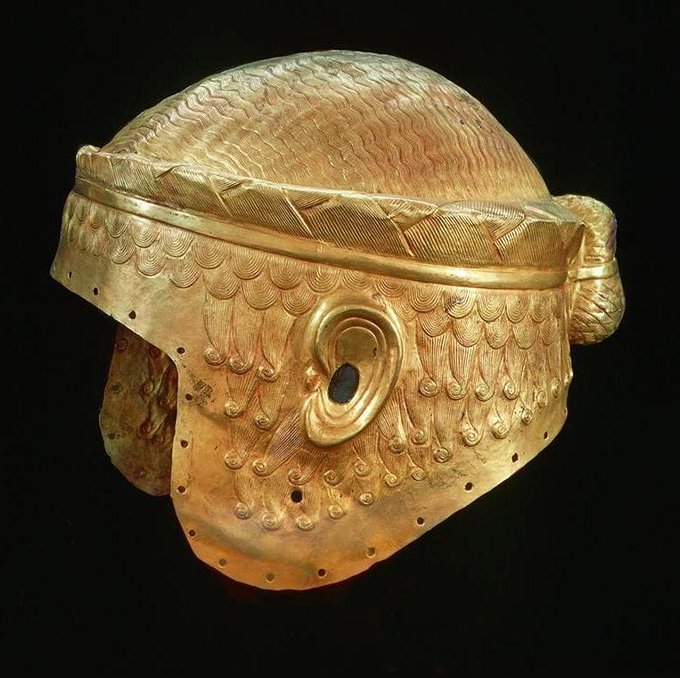
The narrative contrasts two ancient rulers from Mesopotamia: Meskalamdug of Ur, symbolized by his golden helmet representing divine favor and stability, and Sargon of Akkad, marked by his bronze helmet embodying conquest and ambition. Meskalamdug’s reign, though mysterious, reflected a sacred kinship with the gods. In contrast, Sargon’s rise to power emerged from military strength and human will. Their helmets serve as lasting symbols of their legacies, differentiating spiritual governance from earthly conquest.

Bahurupi: An Enduring Folk Tradition of Transformation & Street Theater

In the bustling alleys of Sarojini Nagar, New Delhi, the enchanting tradition of Bahurupis reflects India's cultural fabric. These transformative performers, rooted in ancient folklore, mesmerise audiences with their mythological portrayals and captivating storytelling. However, this vibrant art form is declining under urbanisation and modern distractions. Despite challenges, dedicated Bahurupis strive to preserve their craft, reminding us of the significance of cultural heritage and human connection through art, transformation, and shared narratives.