
Reflecting on Life’s Contradictions Through Affogato

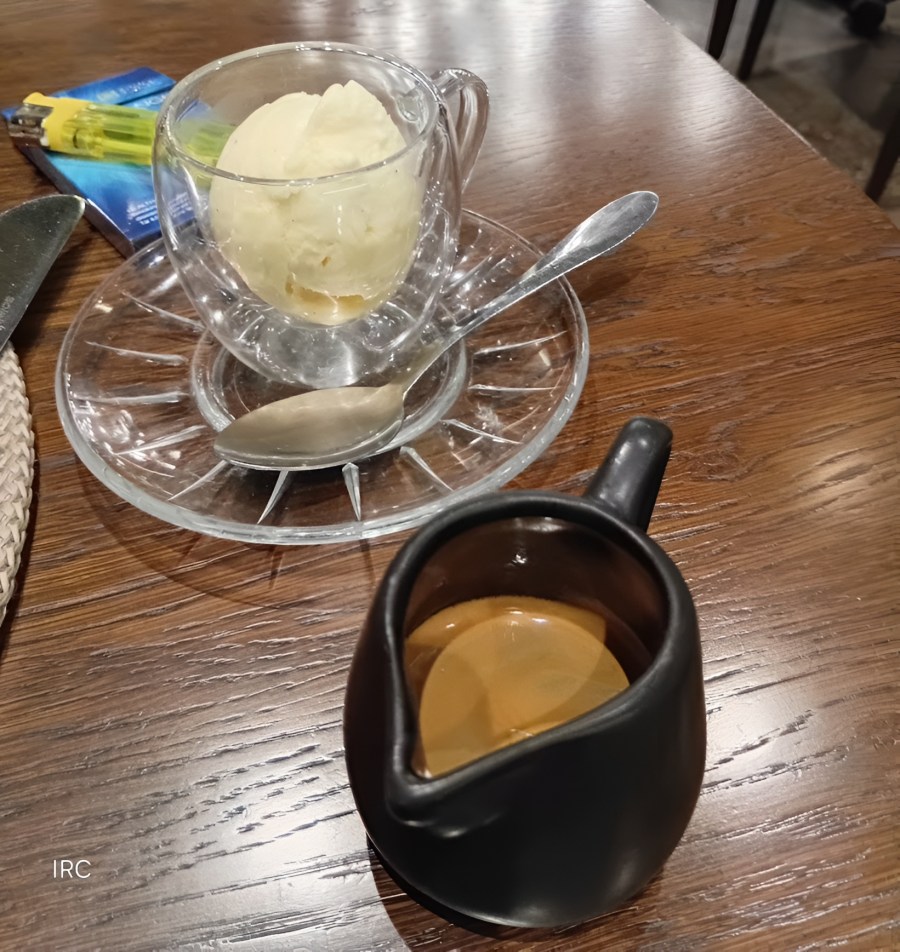
On a cool December evening in Erbil, I walked without a set direction, letting the festive lights inspire my thoughts. I paused unexpectedly at the Vinery Café, savoring an affogato—a mix of hot espresso and cold ice cream. In this simple combination, I found a reflection of life: opposites like bitter and sweet, hot and cold, liquid and solid coming together to create something unexpectedly complete.
The Psychology Behind Luxury: The Veblen Effect Explained

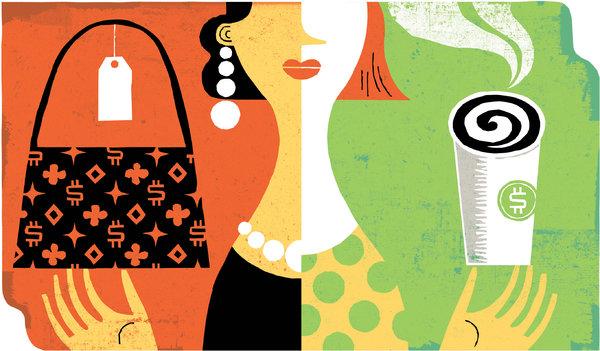
The Veblen Effect refers to the phenomenon where people are inclined to pay more for a product as its price increases, often associated with luxury goods. Named after American economist Thorstein Veblen, this effect contradicts the usual law of demand. People exhibit this behavior to signal wealth and success, associate with quality and exclusivity, and for social comparison. However, it can lead to conspicuous consumption, causing potential financial difficulties. The Veblen Effect provides insight into the psychology of luxury consumption. Understanding it helps in making informed purchasing decisions.

The Water That Wasn’t: A Cautionary Tale from the Age of Zohnerism

In 1997, 14-year-old Nathan Zohner exposed human gullibility through his science fair project advocating for a ban on dihydrogen monoxide (water), leading to 86% support for the ban. His experiment highlighted how selective truths can mislead people, a concept now termed Zohnerism. This phenomenon illustrates the dangers of misinformation and the need for critical thinking and skepticism in assessing information. We must teach others to question narratives and media integrity to combat such manipulation.