Propaganda in the Digital Age: Old Tactics, New Platforms

Propaganda, defined as biased or misleading information employed to publicize a certain viewpoint, has transformed from being primarily used in times of war to becoming a prevalent issue in digital society today. It's frequently disseminated through news outlets, social media, and advertising, influencing thoughts and behaviors subtly and overtly. Modern propaganda techniques encompass memes and social media trends that engage public participation. To combat propaganda, it's crucial to foster critical thinking, fact-check information, promote media literacy, and consider diverse perspective, thereby creating a well-informed society.

Community Discipline: Can We Bring It Back?

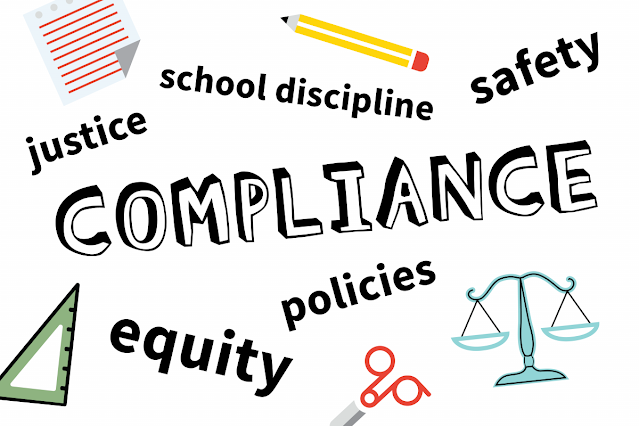
The concept of community discipline emphasizes accountability through care rather than punishment. It calls for dialogue, empathy, and support to reintegrate individuals after mistakes, fostering stronger social bonds. In today's individualistic society, restoring this practice can combat fear and alienation, strengthening community connections and promoting collective responsibility.

Understanding the Paradox of Tolerance

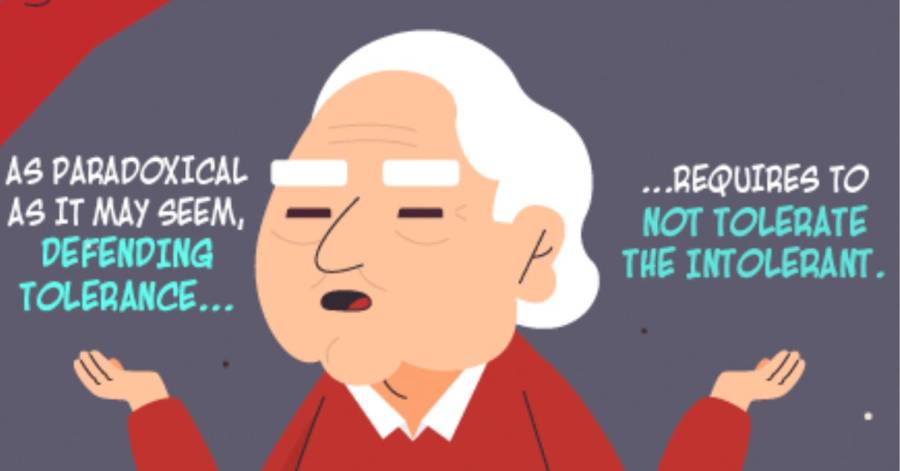
"The paradox of tolerance," a concept introduced by philosopher Karl Popper during WWII, suggests that extreme tolerance of intolerant ideas may subvert society's freedom and acceptance. While society values tolerance, it must also take measures to counteract intolerance to uphold its principles. This paradox poses pivotal questions about the boundary between free speech and harmful intolerance, and potential solutions include promoting education, critical dialogue, and implementing legal measures against hate speech and violence.

Anjan Dham: The Hill Where Hanuman is Said to Have Been Born

Hanuman, a highly venerated deity in Hinduism, is believed by many to have been born in Jharkhand, specifically in a place known as Anjan Dham. This hill is thought to be where Hanuman's celestial mother Anjana gave birth following a penance. The location, which features a temple dedicated to Anjana, attracts numerous pilgrims each year. However, other locations across India, like Anjaneri and Anjanadri, also claim to be Hanuman's birthplace, reflecting the diversity and complexity of Hindu mythology.

The Thrill of a Signed Book & the Tale of a Historic Manhunt

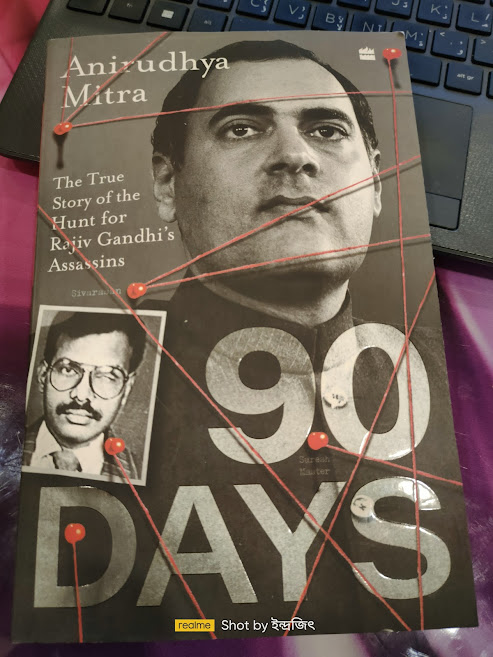
While in Baghdad, Iraq, I learned about Anirudhya Mitra's book signing in New Delhi for “90 Days: The True Story of the Hunt for Rajiv Gandhi’s Assassins” from my friend Aranjit. The book provides a detailed account of the assassination plot and captivating investigation, making it a compelling read for those interested in real events and crime stories. The signed copy from Aranjit added immense value to my reading experience.

The Importance of Accurate Medical Record-Keeping

Medical records are crucial documents detailing a patient's history, clinical findings, and treatment. They are vital for treatment correctness and form the backbone of patient care management. However, proper record-keeping in India is still developing, complicating patient care. Maintaining accurate records serves several purposes, including patient monitoring, medical research, legal and insurance cases, and medical education. Paper records have drawbacks, while electronic health records offer enhanced security, efficiency, and accuracy, supporting better patient care and healthcare improvement.

The Impact of Hate Speech on Democracy & Society

Freedom of speech is a fundamental right that is enshrined in many constitutions around the world. It is a cornerstone of democracy and allows individuals to express their opinions and ideas freely. However, this freedom is not absolute and comes with certain limitations. One such limitation is hate speech. Hate speech is not free speech. It is an abuse of free speech that has serious consequences for individuals and society. It is important for individuals and governments to recognize the harm that hate speech can cause and take steps to prevent it. By protecting the rights of all individuals and promoting tolerance and respect, we can build a more just and equitable society for all.

The Fourth Pillar in Peril: How Media Lost Its Moral Compass

The media, originally a vital democratic pillar, has deteriorated into sensationalism, prioritizing views over truth. This shift is evident in horrific coverage of tragedies, like the exploitation of vulnerable communities and the failure to provide stories of resilience. Journalism must refocus on compassionate communication, showcasing hope and recovery alongside despair.