The Psychology Behind Luxury: The Veblen Effect Explained

The Veblen Effect refers to the phenomenon where people are inclined to pay more for a product as its price increases, often associated with luxury goods. Named after American economist Thorstein Veblen, this effect contradicts the usual law of demand. People exhibit this behavior to signal wealth and success, associate with quality and exclusivity, and for social comparison. However, it can lead to conspicuous consumption, causing potential financial difficulties. The Veblen Effect provides insight into the psychology of luxury consumption. Understanding it helps in making informed purchasing decisions.

Embracing Change: India’s New National Education Policy & Thinking Outside the Box

The Indian Union Cabinet approved the National Education Policy (NEP) on August 5, 2020, aiming to revolutionize education with a focus on critical thinking and creativity. The NEP encourages unconventional problem-solving methods, exemplified by a student's response to a physics exam question. This policy aims to foster innovation, multidisciplinary learning, and flexibility, preparing students for the challenges of a rapidly changing world.

The Water That Wasn’t: A Cautionary Tale from the Age of Zohnerism

In 1997, 14-year-old Nathan Zohner exposed human gullibility through his science fair project advocating for a ban on dihydrogen monoxide (water), leading to 86% support for the ban. His experiment highlighted how selective truths can mislead people, a concept now termed Zohnerism. This phenomenon illustrates the dangers of misinformation and the need for critical thinking and skepticism in assessing information. We must teach others to question narratives and media integrity to combat such manipulation.

The Silent Exodus: India’s Migrant Struggle During COVID-19

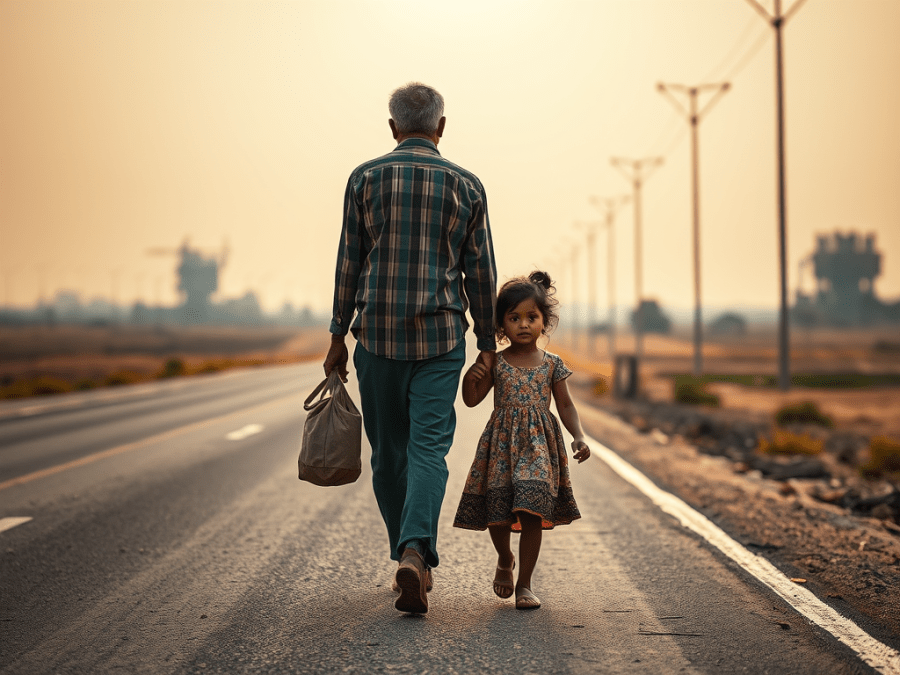
The COVID-19 pandemic unveiled the struggles of India's invisible migrant workforce, forcing millions to undertake perilous journeys back to their rural homes as cities ground to a halt. This human exodus highlighted systemic neglect and inequity faced by daily wage earners. As the nation reflects, there’s an urgent call for reform that prioritizes the dignity and welfare of these workers, ensuring their visibility and protection in future policies.

COVID-19 & Bioterrorism: A Historical Perspective

The COVID-19 pandemic, originating in Wuhan, China, could serve as a roadmap for future bioterrorism. The disease's impact was faster and more widespread than events like 9/11. The source of infections, historically believed to spread through air or personal contact, has been exploited for warfare and assassinations. The 14th century's "Black Death" and the 1934 Amarendra Pandey murder case serve as early instances of bio-weapons deployment. The negligible cost and potential for vast harm elevates the potential threat of biological weapons in the modern context.

Rediscovering Patience in a Fast-Paced World

A thoughtful conversation among old friends highlighted concerns about the rise of impatience and instant gratification in modern society, particularly impacting younger generations. The shift towards immediate rewards has undermined the value of patience, affecting personal growth, relationships, and professional success. The group acknowledged the importance of reintroducing patience and resilience into daily life, emphasizing mindful practices that celebrate long-term achievements while recognizing the benefits of instant access. True progress combines speed with depth and purpose.

Memes: The New Age of Political Commentary

Humour is the foundation of a cartoon and it is its limitation. Attempts to rationalise humour in terms of today's utilitarian social structure probably explain why political cartooning, and the genre of cartooning as a whole is a dying art. In a fast-paced environment such as the internet, memes emerged as a one-dimensional satirical illustration; they don’t engage with the issue and, therefore, their moral message and practical impact are limited. 

Rituals: The Threads That Weave Our Lives Together

Rituals are essential elements of human existence, acting as powerful connectors to our identities, beliefs, and communities. Defined as sequences of meaningful actions, rituals serve functions like building a sense of belonging, expressing emotions, enhancing well-being, and promoting personal growth. They pervade daily life, adapted through time while remaining significant for both individuals and communities, ultimately enriching our experiences and fostering deeper connections.

Renaming Cities: Balancing History & Progress in India

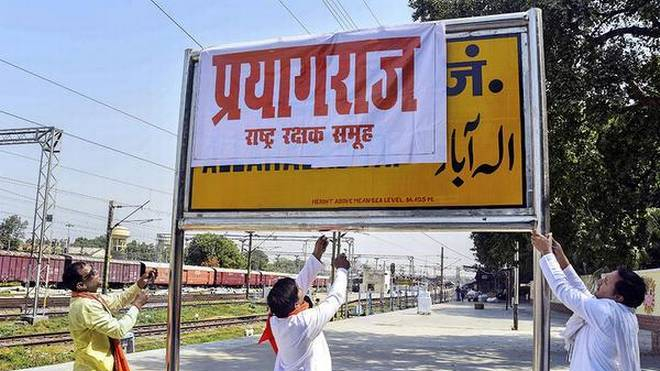
Cities around the world have been renamed for diverse reasons, from historical legacy to cultural significance. In India, post-independence name changes aimed to celebrate autonomy, but recent changes have sparked debate. Renaming cities should prioritize heritage and progress, rather than political agendas. It's crucial to address pressing issues instead of engaging in unproductive exercises.