The Warka Vase: A Story in Stone

The Warka Vase, an artifact from 3200 BCE discovered in modern-day Iraq, is revered for its intricate carvings depicting ancient Sumerian mythology. Crafted as a tribute to the goddess Inanna, the vase was found in the temple complex of Uruk, showing the civilization's beliefs and culture. The vase was stolen in 2003, amidst the American invasion, but returned following an amnesty program.

The House of Heaven: Inanna’s Temple & the Architecture of Divine Power

Inanna, a prominent Mesopotamian goddess, symbolized love, fertility, and war, governing both divine and earthly realms. Her myths illustrate themes of death and rebirth, showcasing her significance in agriculture. Temples dedicated to her served as spiritual and economic centers, influencing later cultures as Ishtar. Her worship declined with the rise of monotheism.

The Winged Genie of Assyria: A Glimpse into the Mystical Guardians of Mesopotamia

The Winged Genie of Assyria, dating back to the 9th century BCE, is an ancient art sculpture symbolizing protection and fertility, often used in Assyrian religious practices. Displayed prominently in royal palaces, the Winged Genie was considered a benevolent spirit that could bring fortune and protection. The Genie was also part of a stone relief in King Sargon II's palace symbolizing purification and fertility. Today, the Winged Genie remains a significant representation of ancient Assyrian art.

Ajanta Caves: Masterpieces of Ancient Indian Art

During a pilgrimage to Shirdi with my mother, we took a detour to the Ajanta Caves, rather than Ellora, due to the rains. The stunning rock-cut caves, dating back to the second century BCE, showcased viharas, stupas, and prayer halls with exquisite paintings and sculptures. These ancient marvels, depicting Buddhist traditions and narratives, offered a glimpse into the rich cultural legacy of ancient India, reflecting exquisite craftsmanship and vibrant artistry.

The National Museum of Iraq: A Journey Through Time

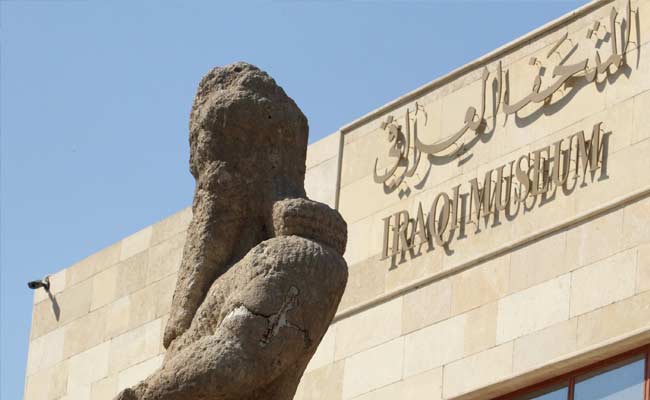
As Nowruz approached, friends and I explored the National Museum of Iraq in Baghdad, a vital custodian of Mesopotamian history. Despite the tragic looting in 2003, the museum houses a rich collection, including the Lady of Warka and artifacts from diverse ancient cultures. Its resilience serves as a beacon of hope and connection to Iraq’s past, urging visitors to appreciate and support its heritage.

Exploring Rumtek Monastery: A Journey Through Spiritual Heritage

Rumtek Monastery, a significant Buddhist religious site laced with rich history and culture, is nestled in the foothills of the Himalayas in Sikkim, India. Built in the 16th century and rebuilt in the mid-20th century, it is a stunning representation of Tibetan architecture and holds numerous religious artifacts. It serves as the seat of Karma Kagyu lineage of Tibetan Buddhism, has a special prayer hall, murals, and an impressive library. The monastery continues to attract global visitors due to its spiritual, cultural, and historical significance.

khovar wall painting

Khovar: Murals of Memory & Matriarchal Wisdom in Jharkhand

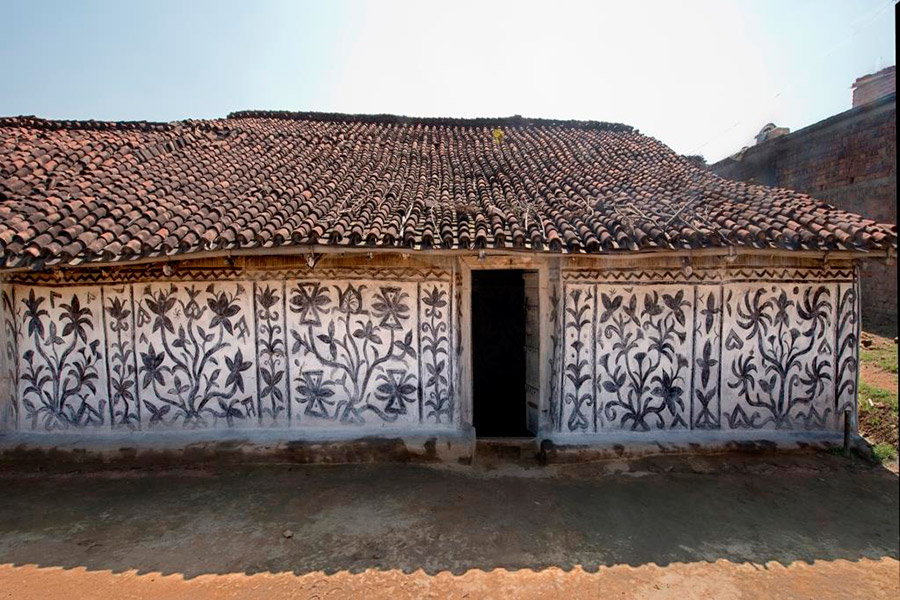
While traveling from Ranchi to Delhi, the author observed a replica Adivasi hut adorned with Sohrai and Khovar paintings at Birsa Munda airport. Khovar, a historical mural painting tradition originating from the Hazaribagh region of Jharkhand, India, is used to decorate wedding rooms and is considered to bring good fortune. This distinct art form, now recognised by a Geographical Indication tag, reflects matriarchal roots and a deep bond with nature, even adapting to changing times by being created on paper and cloth.

Sohrai: A Tribal Festival of Gratitude, Art, & Harmony in Jharkhand

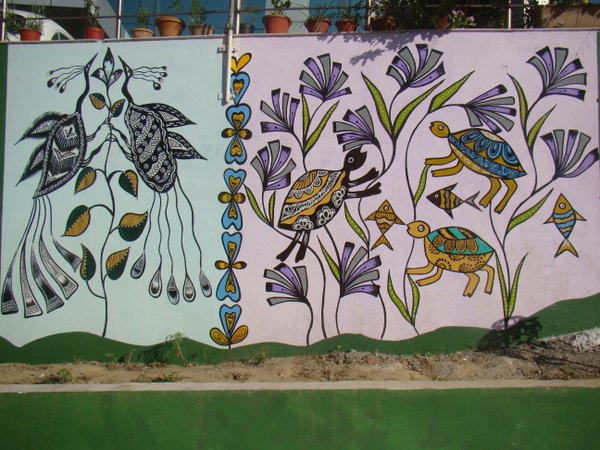
Sohrai, a prominent festival in Jharkhand, transcends a mere harvest celebration for tribal communities, embodying gratitude to nature, cattle, and ancestors, while strengthening cultural ties. It begins with rituals led by the village priest, followed by vibrant celebrations showcasing Sohrai paintings, depicting life and nature. Key elements include music, dance, and community bonding, emphasizing interconnectedness. Recent initiatives preserve this heritage, ensuring recognition for artists and highlighting a tradition that harmonizes with the environment.

Tathagata Tsal: The Buddha Park of Ravangla

The Buddha Park of Ravangla, also known as Tathagata Tsal, in South Sikkim, India, is a sanctuary of peace and spiritual reverence. It features a towering 128-foot statue of Lord Buddha, artistic reliefs depicting Jataka tales, and offers opportunities for meditation in a serene ambiance. The park is a must-visit for anyone seeking spiritual solace and a glimpse into Buddhist teachings.